President Trump escalated his ongoing trade standoff with Canada on Monday, threatening to block Canadian aircraft manufacturer Bombardier from selling planes in the United States — a move that could have unintended consequences in a reliably red state.
“NO MORE SELLING BOMBARDIER IN THE UNITED STATES! Their products aren’t good enough!” Trump wrote on Truth Social, arguing the company relies on American buyers, airports and services for more than half its revenue while Canada blocks American banks and companies, including Gulfstream Aerospace, from operating there. “BUY AMERICAN. FLY ON AMERICAN AIRLINERS,” the president added, capping the post with “AMERICA FIRST!”
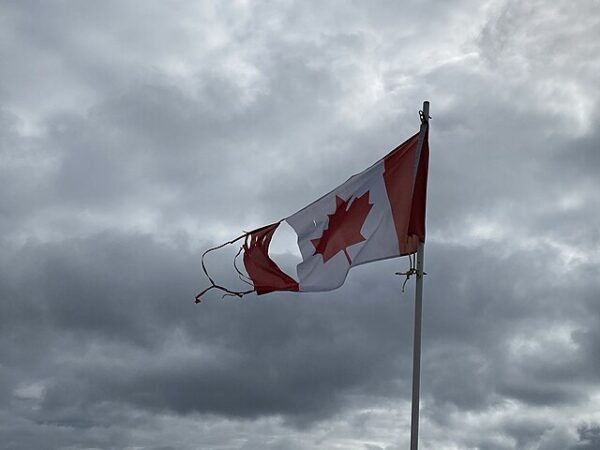
The threat comes amid a sharp deterioration in U.S.-Canada relations following the collapse of trade negotiations and the Trump administration’s imposition of 50 percent tariffs on roughly $20 billion in Canadian goods. Canadian Prime Minister Mark Carney responded by announcing retaliatory tariffs. Trump has also taken symbolic swipes at Canada in recent weeks, including signing an executive order renaming Lake Ontario “Lake America” and sharing a map depicting Canada and Mexico as part of the United States.
But Bombardier’s footprint inside America’s borders is more significant than some may realize. Tyson Brody, who works in communications for Kansas Democratic Senate candidate Adam Hamilton’s campaign, noted online that “Bombardier’s US headquarters is in Wichita and has 500+ employees” — tagging Republican Sen. Roger Marshall, Hamilton’s general election opponent, in the process.
Bloomberg reporting from Monday further found that Bombardier maintains more than 2,800 U.S.-based suppliers spread across 47 states, meaning any move against the company could ripple through American manufacturers who supply its operations.
The episode underscores the complicated politics of Trump’s hardline trade posture toward Canada, which continues to draw both praise from supporters of his America First agenda and pushback from those pointing to domestic economic ties that could be caught in the crossfire.