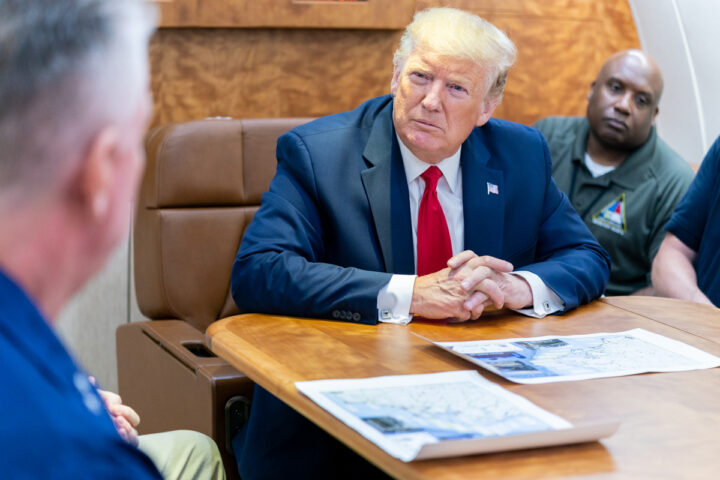
President Donald Trump has now reportedly followed through on a long-standing warning by filing a massive $10 billion defamation lawsuit against the BBC, accusing the British broadcaster of deliberately editing a speech he delivered on January 6, 2021, in a way that falsely suggested he called for violence.
The lawsuit was filed late Monday in federal court in Miami and targets a BBC Panorama documentary that aired just days before the 2024 presidential election.
According to court filings, Trump is seeking $5 billion in damages for defamation and an additional $5 billion for alleged violations of trade practices. The 46-page complaint argues that the BBC’s editing of Trump’s remarks gave viewers the “mistaken impression” that he urged supporters to engage in violence on the day of the Capitol riot.
At the center of the case is a clip used in the Panorama documentary that spliced together two separate portions of Trump’s speech. The edit created the impression that Trump told supporters, “We’re going to walk down to the Capitol… and I’ll be there with you. And we fight. We fight like hell.” Trump’s legal team argues that the broadcaster combined unrelated statements to manufacture a narrative that did not reflect what he actually said.
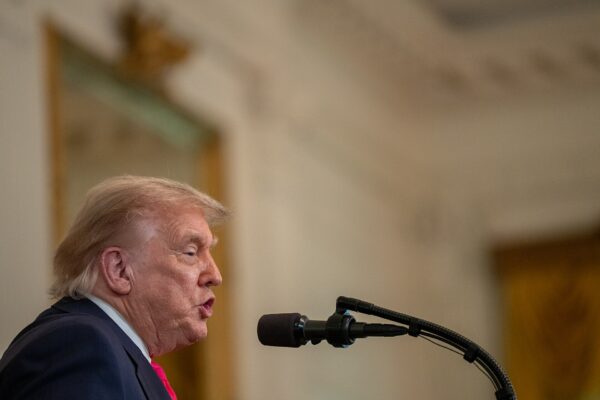
Speaking in Washington, D.C., Trump accused the BBC of putting “terrible words in my mouth that I didn’t say.” He went further, suggesting the network “may have used AI” in producing the Panorama episode. “They actually have me speaking with words that I never said, and they got caught,” Trump said. “Let’s call [it] fake news.”
In a statement to The New York Times, Trump’s attorneys blasted the broadcaster, saying, “The formerly respected and now disgraced BBC defamed President Trump by intentionally, maliciously and deceptively doctoring his speech in a brazen attempt to interfere in the 2024 presidential election.”
The lawsuit has already sent shockwaves through the BBC. According to the report, the fallout has led to the resignations of top executives, including Director General Tim Davie and BBC News CEO Deborah Turness. BBC Chair Samir Shah issued an apology, calling the situation an “error of judgment,” but insisted the corporation believes it has “no basis for a defamation case” and said the BBC is “determined to fight this.”
Trump’s legal action against the BBC comes as part of a broader pattern of aggressive litigation against media organizations he says have repeatedly misrepresented him. The president has also launched high-profile lawsuits against major U.S. outlets, including The New York Times and The Wall Street Journal, arguing that legacy media has long operated without accountability when it comes to coverage of him.
The BBC case, however, stands out for its timing and scale. Trump’s team argues the edited documentary aired at a critical moment in the 2024 campaign and was designed to influence voters by reinforcing a false narrative about his January 6 remarks.
As the case moves forward, it is likely to intensify debates over media ethics, editing practices, and the legal limits of political coverage. For Trump, the lawsuit represents both a personal and political fight — one he says is about clearing his name and holding powerful media institutions accountable for what he claims was deliberate deception.
[READ MORE: White House Chief of Staff Give Candid Interview]