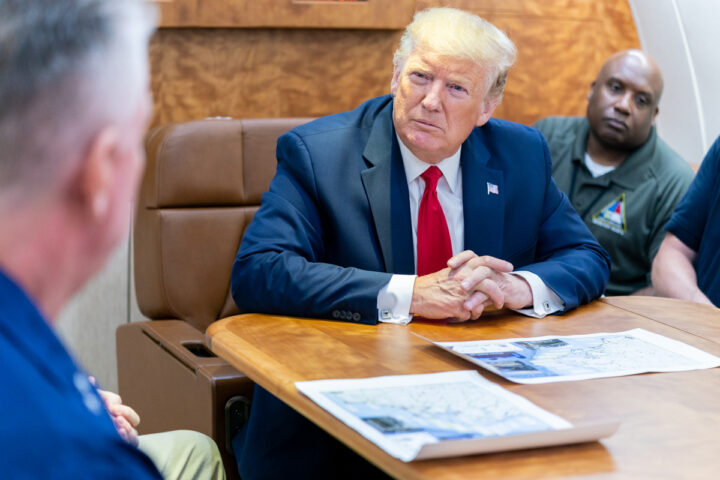
TikTok will reportedly continue operating in the United States under a new deal that shifts significant control of the popular video platform into American hands, following an agreement backed by President Donald Trump and involving major U.S. investors.
The arrangement allows the app, used by roughly 170 million Americans, to avoid a looming shutdown that had been driven by national security concerns tied to its Chinese ownership.
According to Axios, TikTok has agreed to sell its U.S. operations to a group of investors that includes Oracle, Silver Lake, and Abu Dhabi-based MGX.
The deal is expected to close on January 22 and will establish a new TikTok US joint venture. Under the terms outlined in an internal memo reviewed by U.S. media, the new investor consortium will hold a 50% stake in the company. ByteDance affiliates will retain 30.1%, while ByteDance’s Chinese parent company will keep a minority 19.9% share.
TikTok CEO Shou Zi Chew informed employees that binding agreements have already been signed, signaling that the long-running uncertainty surrounding the app’s future in the United States may soon be resolved.
The White House confirmed that Oracle, co-founded by Trump ally Larry Ellison, will license a copy of TikTok’s recommendation algorithm and expand its existing role overseeing the data security of U.S. users. Oracle already manages TikTok’s American user data, a key issue in debates over whether the platform could be used to compromise national security.
The potential ban on TikTok has loomed for years, dating back to Trump’s first term. In 2020, Trump threatened to ban the app outright over concerns about Chinese government access to American data.
Those concerns persisted in Washington across administrations. Congress later passed legislation forcing TikTok’s sale or shutdown, citing security risks, and former President Joe Biden signed the bill into law in April 2024. The ban was set to take effect in January 2025 but was repeatedly delayed by Trump as negotiations progressed.
Trump has said publicly that he spoke directly with Chinese President Xi Jinping about the matter. In September, Trump described the conversation as positive, saying he had a “very good talk” with Xi and that the Chinese leader “gave us the go ahead.” The following month, Treasury Secretary Scott Bessent announced that Washington and Beijing had “reached a final deal on TikTok,” reinforcing the administration’s message that diplomacy and dealmaking had produced results.
While the agreement has been framed by supporters as a pragmatic solution that protects U.S. interests while preserving a popular platform, it has drawn criticism from Democrats. Senator Elizabeth Warren of Massachusetts criticized the deal in a post on BlueSky, accusing Trump of handing more control over media consumption to wealthy allies. She argued that Americans deserve transparency about whether the president struck a “backdoor deal” benefiting billionaires.
Despite the criticism, the agreement marks a major turning point in the TikTok saga, keeping the app online while significantly increasing American involvement in its ownership, technology, and data management, and closing the door, at least for now, on a government-mandated shutdown.
[READ MORE: Trump Suspends Program Used By Brown Shooter]