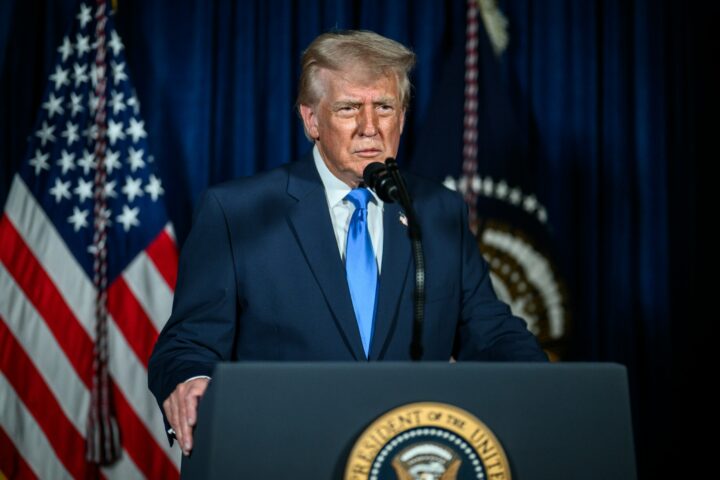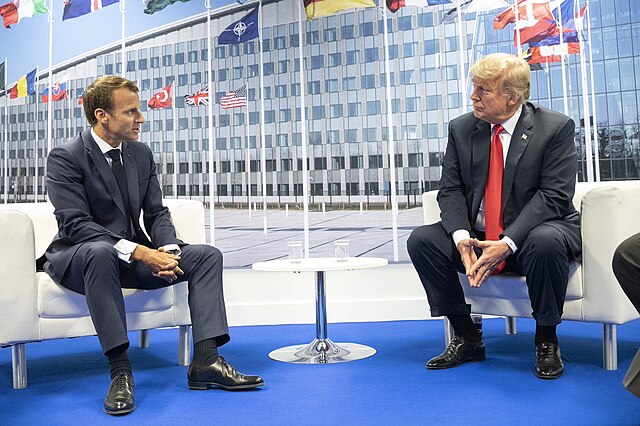
President Donald Trump arrived in Ankara on Tuesday for a NATO summit dominated by Russia’s war in Ukraine, pressure on European allies to increase defense spending, and lingering tensions over recent U.S. foreign policy moves.
The 32-nation alliance faces several flashpoints at once, including Moscow’s continued attacks on Ukraine, Trump’s demand that NATO members pay more for their own defense, fallout from the U.S. military operation against Iran, and Washington’s earlier push to acquire Greenland from NATO member Denmark.
“I can imagine so many issues where this could go wrong,” Michael O’Hanlon of the Brookings Institution said Monday on CNBC’s “The Exchange.”
NATO Secretary General Mark Rutte has said the goal is “to turn Allied commitments into concrete results.” O’Hanlon said success would mean progress on burden-sharing and new steps to pressure Russian President Vladimir Putin.
“I don’t expect great things, but even incremental progress and no blow-up would be welcome,” O’Hanlon said.
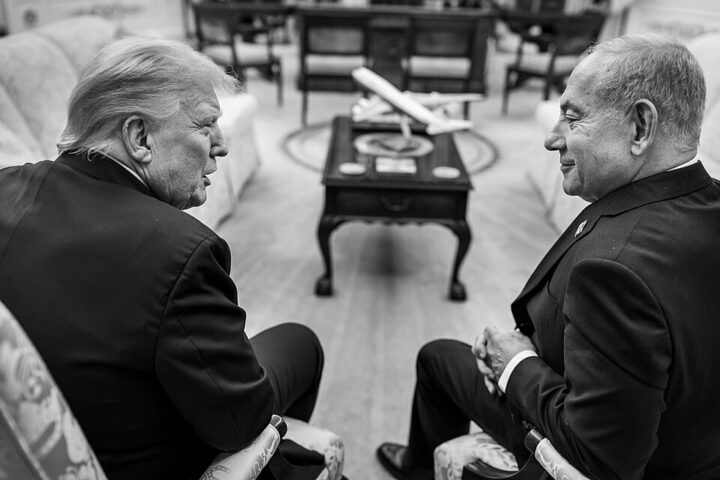
Trump was greeted by Turkish President Recep Tayyip Erdogan before the two leaders met privately. Speaking afterward, Trump said he was “very disappointed” with NATO and suggested Turkey’s role as host was a major reason he attended.
“Frankly, if it weren’t held in Turkey, where my greatest strong leader, a very strong person, it’s possible that I wouldn’t have attended. I felt I had to attend because of the fact that, you know, he’s not allowed,” Trump said.
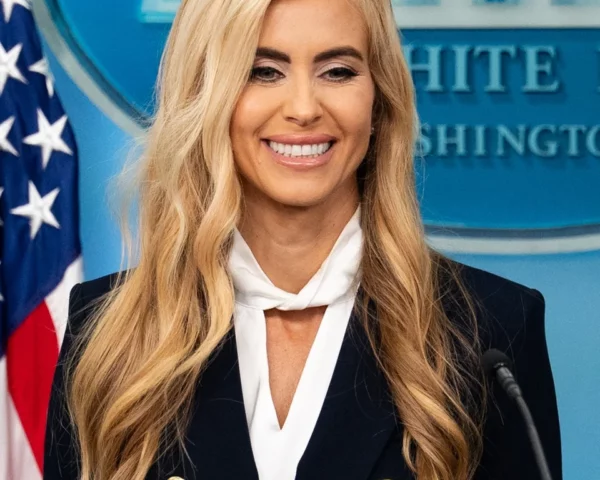
Trump is scheduled to attend a leaders’ dinner Tuesday night, then join Wednesday’s group photo and working session. He is also expected to meet separately with Ukrainian President Volodymyr Zelenskyy and Syrian President Ahmed Hussein al-Sharaa before holding a news conference and returning to Washington, White House spokeswoman Anna Kelly said.
Ukraine is expected to dominate the talks after Russian forces struck Kyiv on Sunday with dozens of missiles and hundreds of drones. Ukrainian officials said at least 11 people were killed and many more wounded.
“The United States and Europe have enough strength to stop this terror,” Zelenskyy said early Monday.
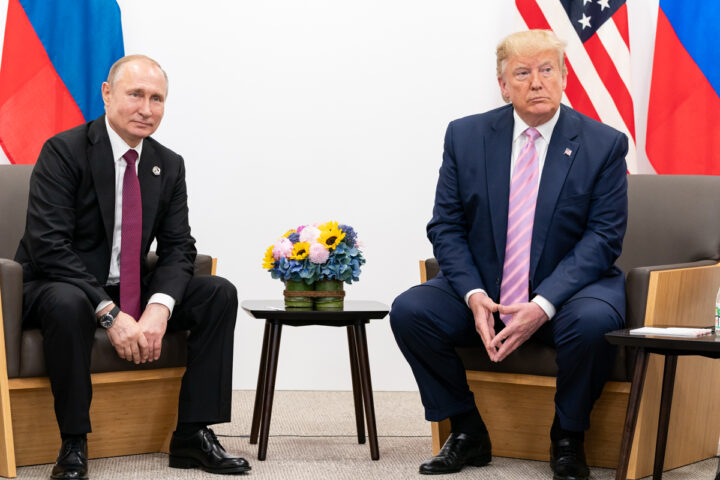
The attack came one day after Trump and Putin held a nearly 90-minute phone call the Kremlin described as “business-like and constructive.” Trump said the call showed the potential for broader U.S.-Russia cooperation once the war ends, while Putin aide Yuri Ushakov offered a positive assessment of Russia’s battlefield position.
Trump also spoke with Zelenskyy that day. The Ukrainian leader is expected to meet Trump one-on-one Wednesday afternoon and press for more military aid, especially air-defense systems.
Defense spending is the other major issue. NATO members last year agreed to raise their targets to 5 percent of gross domestic product by 2035, but the Trump administration wants them to move faster.
“The target is that Europe takes over the conventional defense of the European continent,” U.S. Ambassador to NATO Matthew Whitaker said Monday. “We’re not going away, we’re just doing less.”
A senior U.S. official said participants should expect “billions of dollars in announcements” on the sidelines in Ankara.