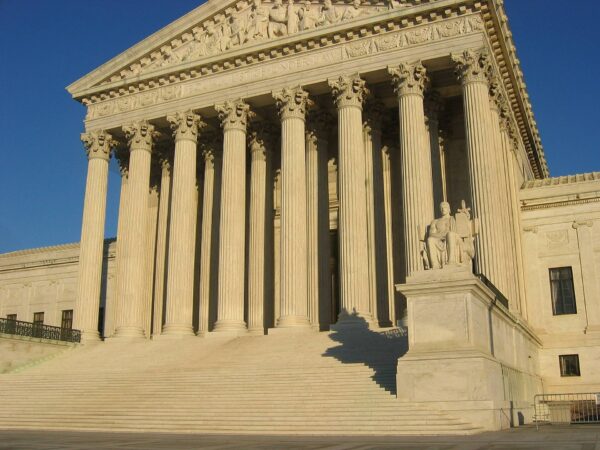
The Supreme Court of the United States on Tuesday denied an emergency request from the Trump administration seeking immediate authorization to deploy National Guard troops to Chicago, dealing a rare setback to President Donald Trump in a high-profile appeal during his current term.
The court’s order leaves in place a lower-court injunction blocking the deployment and signals skepticism that the administration has, at this stage, identified a lawful basis for using military forces in domestic law enforcement within the state, writes Fox News. The majority concluded that the government had not demonstrated authority to override Illinois’ objection under the narrow circumstances permitted by federal law.
Three conservative justices—Samuel Alito, Clarence Thomas, and Neil Gorsuch—publicly dissented.
The dispute arose after Illinois sued to block the federalization of its National Guard units. A federal district judge and an appeals court both ruled against the administration, prompting the White House to seek emergency relief from the high court.
A White House spokesperson defended the president’s actions as necessary to maintain order and protect federal personnel. “The President promised the American people he would work tirelessly to enforce our immigration laws and protect federal personnel from violent rioters. He activated the National Guard to protect federal law enforcement officers, and to ensure rioters did not destroy federal buildings and property,” said spokesperson Abigail Jackson. “Nothing in today’s ruling detracts from that core agenda.”
Illinois officials welcomed the decision, framing it as a reaffirmation of constitutional limits on federal power. “Nearly 250 years ago, the framers of our nation’s Constitution carefully divided responsibility over the country’s militia, today’s U.S. National Guard, between the federal government and the states – believing it impossible that a president would use one state’s militia against another state,” said Kwame Raoul, the Illinois Attorney General. “The extremely limited circumstances under which the federal government can call up the militia over a state’s objection do not exist in Illinois, and I am pleased that the streets of Illinois will remain free of armed National Guard members as our litigation continues in the courts.”
Civil liberties groups also praised the ruling. “This decision reinforces that domestic deployment of troops is rare and exceptional, and it was absolutely unjustified in Illinois,” said Hina Shamsi, director of the ACLU’s National Security Project. “With each court decision against the President’s domestic troop deployments, it becomes clearer that his version of American cities as hellscapes, and protest against his policies as requiring troops, is plain false. We’re glad that the Supreme Court has upheld the order blocking this blatant abuse of presidential power because there’s no reason for any troops policing civilians in our streets.”
Illinois has become a refuge for crime. Democrats in the state have abolished cash bail and routinely release suspected murderers and other violent criminals, who sometimes harm regular citizens almost immediately upon being freed from custody.
The administration had argued that preventing the deployment placed federal immigration officers at risk amid resistance to enforcement operations. State and local officials countered that existing law enforcement resources were sufficient and described claims of widespread violence as overstated.
The ruling comes as the Trump administration presses to station National Guard units in several cities governed by Democrats, often over local objections.