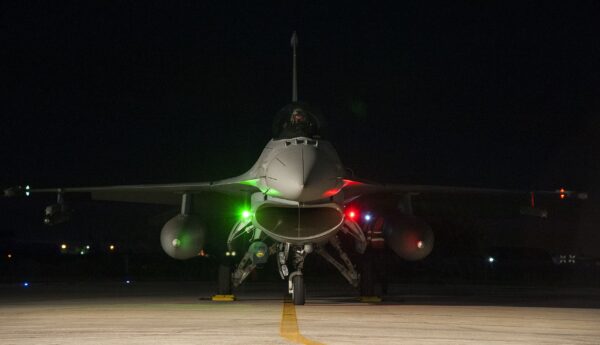
A joint U.S.-Israeli airstrike has reportedly critically injured senior Iranian diplomat Kamal Kharazi, a figure reportedly involved in quiet efforts to open a diplomatic channel between Washington and Tehran, raising new questions about whether a negotiated resolution remains within reach.
According to Iranian newspapers Shargh, Etemad, and Ham Mihan, as cited by The Telegraph, Kharazi’s residence in Tehran was struck early Thursday. The attack killed his wife and left the 81-year-old hospitalized with severe injuries. The reports indicate that Kharazi had been working through Pakistani intermediaries to help arrange a possible face-to-face meeting between Iranian officials and Vice President J.D. Vance.
The timing of the strike has drawn particular attention, coming just as back-channel diplomacy appeared to be gaining momentum. According to Reuters, Vance had been in contact as recently as Tuesday with intermediaries tied to Pakistan’s government regarding the ongoing conflict. A source briefed on the matter told the outlet that, at President Donald Trump’s direction, the vice president had privately signaled openness to a ceasefire—provided certain conditions were met—while also warning that pressure on Iranian infrastructure would escalate in the absence of an agreement.
Additional reporting from The New York Times indicated that Kharazi had been playing a role in coordinating a potential meeting between U.S. and Iranian officials. However, Iranian negotiators had reportedly conveyed through intermediaries that their leadership had not yet approved any in-person talks, underscoring the fragile and uncertain nature of the effort even before the strike occurred.
The White House has maintained that its military objectives are close to being achieved. In a national address delivered the same evening, Trump said U.S. operations were “nearing completion” and warned that Iran’s power grid could face further devastation if Tehran declined to agree to a deal. The administration has framed its actions as necessary leverage, though the situation on the ground suggests a more complicated reality.
It remains unclear whether Kharazi himself was the intended target of the strike. Still, the reported hit on a diplomat linked to ongoing negotiations introduces a new layer of uncertainty to an already volatile situation. For an administration asserting that a deal is within reach, the optics of such an incident may prove difficult to reconcile.
Iran’s response was swift and pointed. According to Al Jazeera, Foreign Ministry spokesperson Esmaeil Baghaei rejected the pattern of escalation followed by negotiation, saying Tehran “will not tolerate this vicious cycle of war, negotiations, ceasefire, and then repeating the same pattern.”
Kharazi himself had expressed similar concerns weeks earlier, warning in an interview with CNN that strikes carried out during negotiations risked undermining trust. “While we were engaged in negotiations, they struck us,” he said at the time.
As Washington continues to project confidence in its strategy, the latest developments highlight the delicate balance between military pressure and diplomacy. Even as officials insist a resolution may be near, the costs and consequences of continued strikes—especially those touching the edges of diplomatic efforts—remain an unavoidable part of the equation.