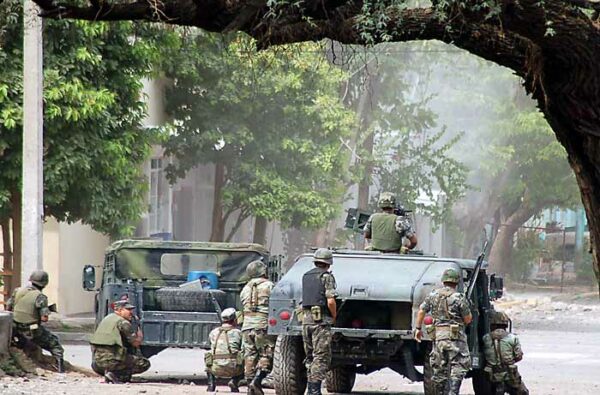
The State Department on Monday announced new visa restrictions on 75 individuals believed to be connected to the powerful Sinaloa Cartel, marking the latest move in the Trump administration’s escalating campaign to curb the flow of deadly narcotics into the United States.
Secretary of State Marco Rubio said the action is aimed squarely at disrupting the cartel’s operations, particularly its role in trafficking fentanyl and other dangerous drugs into American communities. In a statement, Rubio underscored the severity of the threat, noting that fentanyl has been designated by the president as a Weapon of Mass Destruction due to its devastating impact.
“The Sinaloa Cartel smuggles illicit fentanyl and other deadly drugs that harm American communities,” Rubio said, emphasizing that the new restrictions are not limited to traffickers themselves. The policy also applies to family members, as well as close personal and business associates, a move intended to widen the net and increase pressure on those who enable cartel activity behind the scenes.
According to Rubio, barring these individuals from entering the United States serves a dual purpose: cutting off access while sending a clear message that involvement in the drug trade carries consequences that extend beyond borders. The administration hopes the restrictions will act as a deterrent, discouraging continued participation in illicit operations that have fueled addiction and loss across the country.
The visa crackdown follows a series of aggressive enforcement actions targeting the cartel and its affiliates. In September, the U.S. Treasury Department sanctioned members of a Sinaloa Cartel faction known as Los Mayos, further tightening financial and operational constraints on the group.
Law enforcement efforts have also ramped up on the ground. Last August, officials with the Drug Enforcement Administration reported a sweeping operation that led to the arrest of 600 individuals tied to the cartel over the course of just one week. Authorities seized 420 firearms and nearly $13 million in cash and assets, alongside a staggering quantity of illegal drugs. The haul included more than 700,000 counterfeit pills, hundreds of pounds of fentanyl powder, and thousands of pounds of methamphetamine, cocaine, and heroin.
While these numbers point to a forceful response, they also highlight the scale of the challenge. The sheer volume of drugs and resources involved underscores how deeply entrenched transnational criminal organizations have become—raising questions about how long such battles can be sustained and at what cost.
In recent months, President Donald Trump has pledged to intensify pressure on Latin American gangs that have been designated as terrorist organizations. The administration has placed a strong emphasis on stopping the flow of illegal narcotics at its source, framing the fight as both a national security and public health priority.
Central to that effort is the newly created “Shield of the Americas,” an initiative designed to strengthen cooperation with regional leaders in combating drug trafficking, illegal immigration, and violent crime across the Western Hemisphere. Trump has tapped former Homeland Security Secretary Kristi Noem to lead the initiative, signaling a coordinated push that extends beyond U.S. borders.
The administration’s approach reflects a broader strategy of applying sustained pressure on criminal networks through a mix of law enforcement, financial penalties, and diplomatic measures. Yet even as officials tout these efforts, the ongoing struggle against cartel-driven drug trafficking serves as a reminder that such conflicts are rarely resolved quickly, often requiring prolonged engagement with uncertain outcomes.
[READ MORE: Fetterman Breaks With Democrats, Slams Party’s Response to Iran Conflict]