Republicans in South Carolina are now reportedly moving to keep their legislative options open following a major Supreme Court decision that has reignited redistricting battles across the country. On Wednesday, GOP lawmakers in the state House voted to extend their legislative calendar, a step that could allow them to revisit and potentially redraw congressional district lines.
The move now heads to the state Senate, where approval would set the stage for possible changes to South Carolina’s current congressional map. Any revisions could come amid pressure from President Donald Trump, though it remains unclear how new boundaries might impact the state’s existing 6-1 Republican advantage in the U.S. House delegation.
State lawmakers appear to be moving quickly. The chair of the House Judiciary Committee has already scheduled a hearing on redistricting for Friday, signaling that discussions could accelerate in the coming days. The timing, however, has drawn scrutiny, as South Carolina’s primary election is less than a month away and some absentee ballots have already been distributed.
Democrats in the state are pushing back forcefully. South Carolina Democratic Party chair Christale Spain criticized the effort, accusing Republicans of attempting to redraw district lines mid-election cycle without public input. In a statement, she argued the move could undermine voter confidence and affect all voters in the state, regardless of political affiliation. Spain called on lawmakers to instead allow voters to weigh in directly on any proposed changes.
The debate unfolding in South Carolina reflects a broader national struggle over redistricting, one that has intensified in recent weeks. Earlier developments in other states have added to the sense of momentum. In Indiana, several state senators who opposed a redistricting plan lost their primaries to challengers backed by Trump, highlighting the political stakes tied to these decisions.
Reports indicate that Trump has also personally urged South Carolina lawmakers to consider revisiting their congressional maps, further elevating the issue within Republican circles. At the same time, pressure is building across Southern states to reevaluate district lines following a series of changes elsewhere.
The current wave of activity was partly sparked by a Trump-backed effort in Texas, which triggered a chain reaction of redistricting adjustments in multiple states. While the pace of those efforts appeared to slow after voters in Virginia approved a map more favorable to Democrats, a recent Supreme Court ruling has once again shifted the landscape.
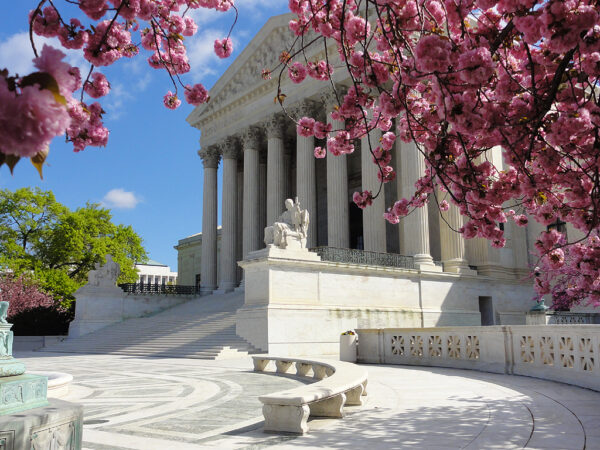
That decision weakened a key provision of the Voting Rights Act of 1965, opening the door for states to pursue additional redistricting measures—potentially even ahead of upcoming midterm elections. For lawmakers, the ruling represents both an opportunity and a challenge, as they weigh political advantages against concerns about timing and public trust.
As South Carolina considers its next steps, the situation underscores how redistricting has become a high-stakes political battleground. While both parties continue to jockey for position, the process itself raises enduring questions about fairness, transparency, and the stability of election systems—especially when changes are contemplated so close to voters heading to the polls.