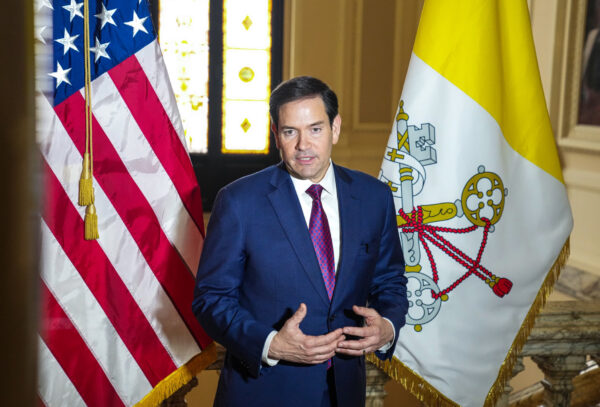
Secretary of State Marco Rubio delivered a blunt assessment of Cuba’s leadership on Tuesday, sharply criticizing the island’s communist government and its handling of the economy while reinforcing the administration’s hardline stance.
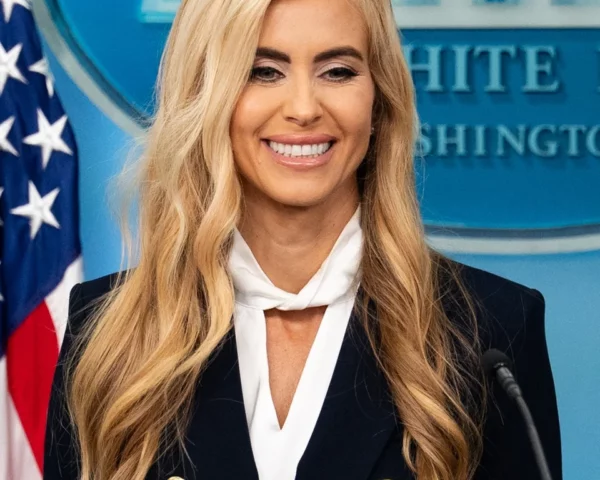
Speaking from the White House briefing room while filling in for Press Secretary Karoline Leavitt, Rubio did not hold back. He argued that Cuba’s economic system has failed outright and said those in power are incapable of fixing it.
“Their economic model doesn’t work,” Rubio said, repeating the point for emphasis. He went further, describing the country’s leaders as “incompetent communists,” suggesting that their inability to manage the system has worsened conditions for the Cuban people.
The remarks came in response to a question about how long what has been described as a “fuel embargo” on Cuba might continue. Rubio pushed back on that characterization, saying there is no formal oil blockade in place. Instead, he pointed to shifting dynamics involving Venezuela, which had previously supplied Cuba with oil at little or no cost.
According to Rubio, that arrangement has effectively ended following actions taken by President Donald Trump earlier this year involving Venezuelan leader Nicolas Maduro. Without that steady flow of subsidized oil, Cuba now faces mounting economic pressure.
Rubio explained that Cuban authorities had relied heavily on Venezuelan shipments, at times taking a significant portion of that oil and selling it to generate cash. With those supplies no longer available, he argued, the country is being forced into a deeper economic crisis.
“The Venezuelans have decided we’re not giving you free oil anymore,” Rubio said, adding that in a global environment where energy costs are high, such arrangements are unlikely to return. The loss of that support, he suggested, has accelerated what he described as a downward spiral for the Cuban economy.
The secretary’s comments align with broader concerns about Cuba’s economic stability, which has been under strain from shortages, limited resources, and long-standing structural challenges.
Rubio’s remarks also come as Trump has signaled a more aggressive posture toward the island. The president has previously said he intends to “revamp” Cuba following the conclusion of the conflict involving Iran, indicating that attention could soon shift closer to home.
In March, Trump told Fox News that he would soon “be having the honor of taking Cuba,” describing the country as significantly weakened. More recently, he has imposed additional sanctions and suggested that the United States could take control of the situation “almost immediately,” though he noted that his current focus remains on completing operations related to Iran.
The rhetoric reflects a broader strategy of pressure, relying on economic constraints rather than direct military action to influence outcomes. Still, the language surrounding Cuba has raised questions about how far the administration might be willing to go.
For Rubio, the issue remains rooted in governance. He framed Cuba’s economic struggles as a direct result of leadership decisions, arguing that ideology and mismanagement have left the country unable to adapt.
At the same time, the situation underscores a recurring tension in U.S. foreign policy. Efforts to apply pressure abroad often aim to force change, but they can also deepen instability in already fragile systems. As the administration continues to press its case against Cuba’s leadership, the outcome may hinge on whether economic strain leads to reform—or simply prolongs hardship for those caught in the middle.