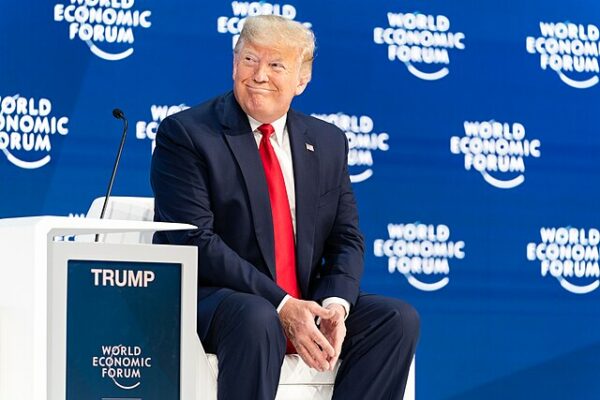
Republicans openly blamed President Donald Trump after Democrats captured both chambers of Congress, with upsets in Texas, Kansas and South Carolina turning a difficult midterm election into a reckoning over the party’s leadership. Republican operatives and White House allies said the president’s unpopular policies and indifference to voters’ economic concerns had damaged candidates across the country, according to a BBC report
“It’s on him. It’s not on anybody else. It’s a total, complete rejection of President Trump,” Texas Republican lobbyist Bill Miller told the BBC. “This is a disaster of the first magnitude. Nobody saw it coming like this.”
Many Republicans expected to lose the House and recognized the difficulty of defending the Senate. But Democratic victories in longtime Republican strongholds, including Kansas, which last elected a Democratic senator in 1932, revealed the depth of the party’s problems. Trump now faces a congressional majority positioned to investigate his administration, block judicial nominees and stall his remaining agenda.
Minnesota Republican strategist Gregg Peppin said, “It was just one mistake after another.” He added, “Clearly, in state after state, people did not like the president’s policies.” A White House ally described dissatisfaction with the Iran war, tariffs and immigration enforcement as a “perfect storm.”
the encircled is the liberation day tariffs nonsense in april 2025 https://t.co/GhjU8EbGx7 pic.twitter.com/3FNzR2FWyG
— kaitlin (@thefactualprep) November 4, 2026
Trump rejected responsibility after both chambers were called for Democrats, posting on Truth Social: “I wasn’t on the Ballot and if I was, we would have won IN A LANDSLIDE! Thank you for your attention to this matter.” He later told Fox News he was a “little bit surprised” but would accept the results, pointing to the historical tendency of the president’s party to lose seats in midterm elections.
His defenders also blamed weak candidates and campaign operations. One Texas Republican operative called Ken Paxton’s effort “the worst Senate campaign in the country from either side of the aisle” and said he would be “shocked” if it had knocked on 100,000 doors. The operative credited Democrat James Talarico with running a “really good and smart campaign.”
Trump and Vice President JD Vance held rallies across the country, while MAGA Inc. spent hundreds of millions of dollars supporting Republicans. Michigan Republican Party youth chair Krish Mathrani defended Trump’s schedule, saying, “He’s the president. He’s not going to spend his time campaigning 24/7.” He called the president “a turnout machine,” though Republicans again struggled to reproduce that turnout without Trump on the ballot.
Vance, however, argued in a postelection post on Twitter that turnout was not the central problem. He said Republican data analysts saw Trump supporters participating but warned that many intended to vote Democratic. Citing a pollster’s findings, Vance said defecting voters wanted the administration to end the war, address inflation, put American interests first and change its relationship with Israel. “Our voters showed up. And the above four reasons are why many of them voted for Democrats.”
One of the things the data analysts on our side obsessed over was "composition"—whether the electorate looked close enough to 2024 for Republicans to win. And despite polls that showed a Democrat blowout, the data kept on telling us the same story: in some states turnout was…
— JD Vance (@JDVance) November 4, 2026
The vice president’s assessment challenged efforts to explain the defeat primarily through campaign tactics or weak nominees. “The reason we lost is the war. The president himself said so last night,” Vance wrote, arguing that Republicans needed to confront voters’ objections before debating their next steps. “If you’d like to argue it was worth it, that losing the Senate for the next 6 years was worth it, then do so. Argue it was a worthwhile cost to pay. Agree or disagree, that’s at least honest.”
Other Republicans argued that Trump had spent too much of the summer focused on Iran and Washington construction projects while dismissing concerns about rising prices. According to the BBC’s interviews with party operatives and administration allies, his attention to a White House ballroom, other renovations and a birthday UFC event reinforced concerns that the election had become a secondary priority.
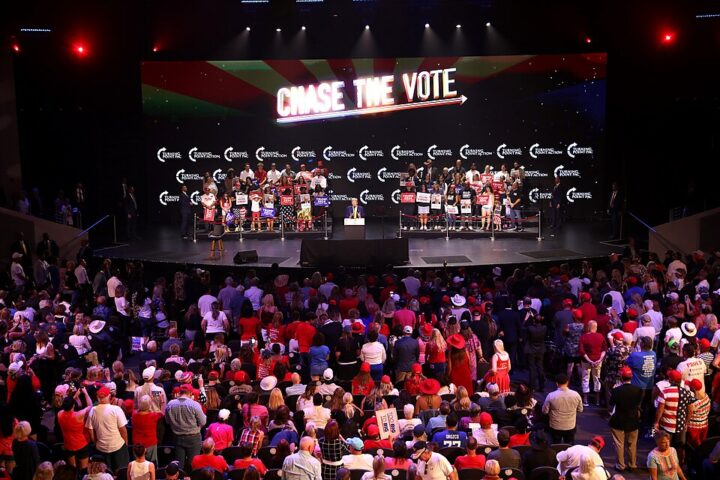
A Republican midterm convention in Dallas did little to change that assessment. Trump dominated an event intended to promote Republican candidates, pledging $5,000 to anyone voting Republican and endorsing Paxton while criticizing his charisma and appearance. “Obviously, that’s never helpful. You’re not going to stop what President Trump says. We just have to kind of live with that,” Texas Republican National Committeeman Robin Armstrong said.
Republican attacks on Democrats also struggled to overcome voters’ concerns. Efforts to portray former North Carolina Gov. Roy Cooper as an extremist fell flat, according to a campaign official who said, “That just didn’t work with Cooper. Trying to tag him as some socialist liberal, that wasn’t going to fly.”
The defeats immediately turned attention toward 2028 and whether Republicans would seek a different direction after Trump. Peppin made his preference clear: “I sincerely hope that we’ve turned the page from the Trump era, and that we’ll have new players, new issues and a new focus moving forward.”