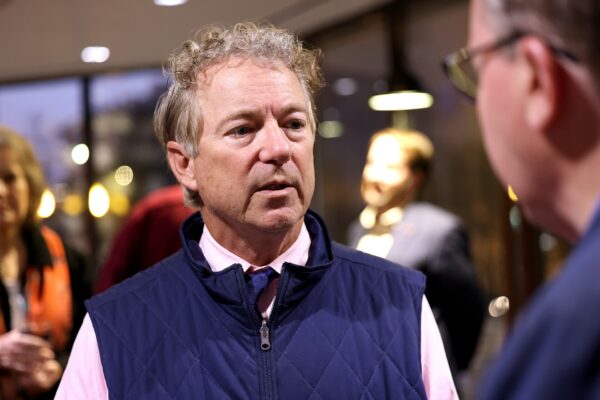
Sen. Rand Paul is leaving the door open to a potential presidential bid in 2028, signaling that a decision could come after the next election cycle even as he continues to weigh the path forward.
In remarks shared by CBS Sunday Morning, Paul responded to speculation sparked by a Washington Examiner report suggesting he may be positioning himself for a White House run. His answer was measured, reflecting both uncertainty and interest.
“I don’t know yet,” Paul said when asked directly about the possibility. “So maybe they know something I don’t know. We’re thinking about it and I would say 50-50. We’ll make a decision after the election.”
The comments, which will air in full during an interview with CBS correspondent Robert Costa, offer an early glimpse into what could become a crowded and competitive Republican primary field in the years ahead.
While Paul has long been a recognizable voice within the GOP, his approach has often set him apart—particularly on issues involving foreign policy and the use of military force. In recent days, he has drawn attention for his criticism of aspects of the Trump administration’s handling of the ongoing conflict with Iran, underscoring a philosophical divide that could shape future debates within the party.
Writing in an op-ed for Fox News, Paul emphasized the importance of adhering to constitutional principles when it comes to decisions about war. His argument focused on the role of Congress, which he said was intentionally granted authority over declarations of war by the nation’s founders.
“The constitutional separation of war powers is not just some notion that belongs in our history books,” Paul wrote. “It’s a vital part of a democratic republic.”
He pointed to the founders’ intent to prevent unilateral action by a single leader, arguing that decisions to enter conflict should reflect a broader consensus. “Giving Congress the power to declare war was meant to prevent one person from committing the nation to war,” he added, stressing that such decisions should involve clear reasoning and collective agreement.
Paul’s stance highlights a tension that has surfaced repeatedly in modern politics: balancing executive authority with legislative oversight, particularly in moments of international crisis. While presidents often act swiftly in response to emerging threats, critics like Paul warn that bypassing Congress risks undermining a core safeguard built into the system.
His comments also come at a time when foreign policy debates are increasingly intersecting with domestic concerns. Questions about the costs and consequences of military engagement—both abroad and at home—have taken on renewed urgency, shaping how voters and lawmakers alike assess leadership.
For Paul, the issue appears to be more than political positioning. His remarks suggest a broader concern about preserving constitutional boundaries, even as the nation navigates complex global challenges.
Whether or not he ultimately enters the 2028 race, Paul’s early signals—and his emphasis on congressional authority in matters of war—are likely to resonate with a segment of voters seeking a more restrained approach to foreign policy.
For now, his potential candidacy remains an open question. But his message is already clear: decisions of war and peace, he argues, should never rest lightly in the hands of any one individual, no matter how urgent the moment may seem.