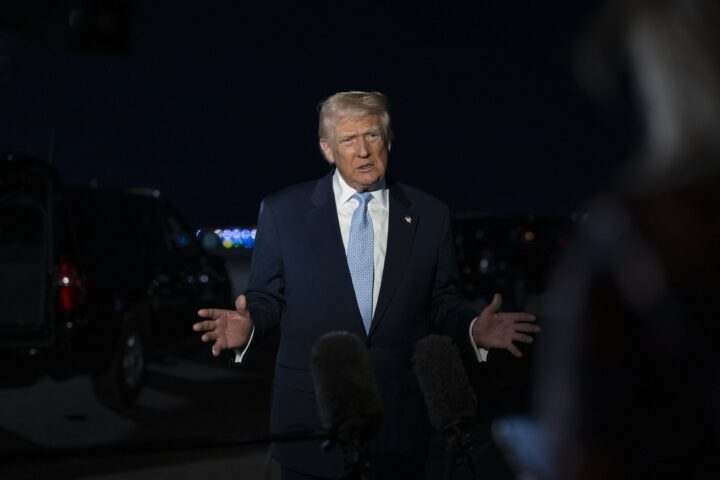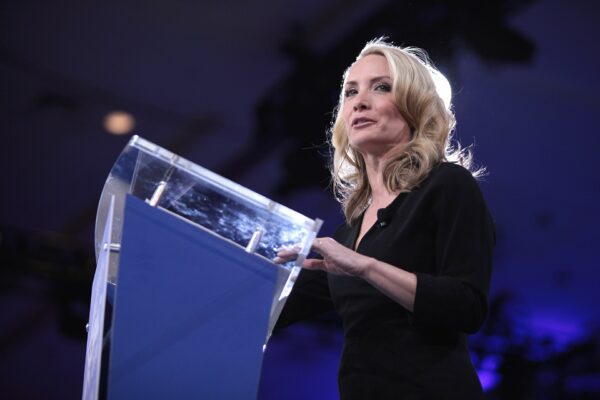
Former White House press secretary Dana Perino raised eyebrows Monday when she suggested that Donald Trump may not be overly concerned about the political consequences of upcoming midterm elections, even as warning signs begin to emerge for Republicans.
Speaking on Fox News’s “The Five,” Perino openly questioned how much weight the president places on electoral outcomes that he himself will not directly face. “I don’t know what political price he could possibly pay,” she said, pointing out that Trump is not running for president again. In her view, while Trump may still lend support where he can, his long-term political calculus appears grounded more in historical trends than immediate electoral pressure.
Perino noted that presidents often face difficult midterm cycles, with the party in power historically losing ground. She suggested Trump is well aware of this pattern and may already be bracing for the likelihood that Republicans could struggle to maintain control of Congress, regardless of effort. That reality, she implied, may explain why concerns over potential “political price” are not weighing heavily on what she described as the president’s “tough decisions.”
At the same time, new polling data paints a challenging picture. A University of Massachusetts Amherst survey released Monday found Trump’s approval rating has dropped to 33 percent. According to the poll, 62 percent of respondents disapprove of his performance, with a notable 53 percent expressing strong disapproval. The numbers reflect a downward trend since Trump’s return to the Oval Office, adding to concerns among some Republicans about voter sentiment heading into the midterms.
Still, Trump himself has signaled little concern about such figures. Earlier this month, he said he did not “care” about polling that showed public disapproval of military operations in Iran, echoing a broader pattern of dismissing unfavorable approval ratings. That posture has drawn both support and criticism, with some viewing it as a sign of resolve and others questioning whether it risks overlooking political realities.
Meanwhile, the political landscape has grown more complicated for the GOP. Republicans have experienced setbacks in state-level races in both Florida and Texas, including in areas Trump carried during the 2024 presidential election. Candidates backed by the president have also failed to secure victories in several contests, giving Democrats fresh momentum as they look toward the midterms.
Those developments have not gone unnoticed. Democrats have pointed to these results as evidence that their prospects are improving, particularly as key races begin to take shape. The nonpartisan Cook Political Report currently projects a shift in control of the House, with Democrats regaining a majority and just 17 races remaining in the toss-up category.
Taken together, the data and recent election outcomes suggest a political environment that is far from settled. While Trump appears focused on governing decisions he deems necessary—regardless of polling or political fallout—the broader implications for his party remain uncertain.
In the end, the tension between policy choices and political consequences is nothing new in Washington. But as midterm season approaches, the question raised by Perino lingers: how much does it matter to a president who may be looking beyond the ballot box, even as the costs of those decisions continue to unfold?
[READ MORE: Italy Blocks U.S. Military Flights as Allies Show Strain Over Iran Conflict]