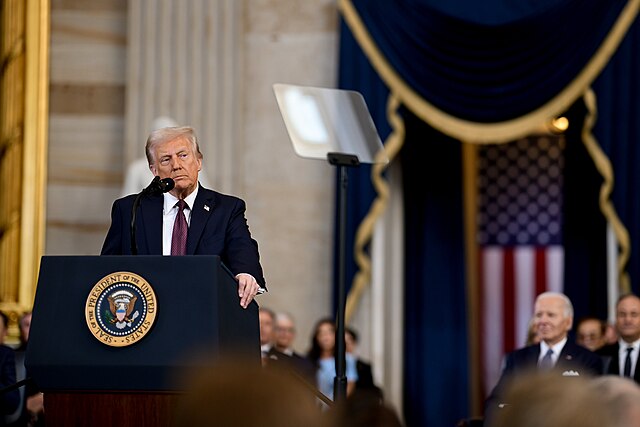
Oil markets reacted swiftly to President Donald Trump’s announcement of a ceasefire in the Iran conflict Tuesday evening, with prices dropping sharply after weeks of volatility tied to the fighting.
Global benchmark Brent crude, which had surged during the height of the conflict, fell from $111 to $91 as markets opened Wednesday. Meanwhile, the U.S. benchmark, West Texas Intermediate, dropped nearly 20%, settling around $92. The steep decline marked a significant reversal from the rapid climb seen during the early stages of Operation Epic Fury.
In the immediate aftermath of the conflict’s escalation, Brent prices had skyrocketed from roughly $70 to more than $110 in the span of a single month. That surge reflected mounting fears over disruptions to global supply—concerns that were realized when Iranian retaliation led to the shutdown of the Strait of Hormuz, a critical artery for the world’s oil trade.
American consumers felt the impact directly. According to AAA, gasoline prices in the United States rose from $2.98 to over $4.10 per gallon as the conflict intensified and supply constraints tightened. The sudden spike served as a reminder of how quickly geopolitical tensions can translate into higher costs at the pump.
Now, with a ceasefire in place, markets appear to be recalibrating. The drop in oil prices offers a measure of relief, particularly for consumers and businesses that have been grappling with elevated energy costs. Analysts note that for every $10 decrease in Brent crude, U.S. gasoline prices typically fall by about 24 cents per gallon—suggesting that further declines could ease pressure on household budgets if the ceasefire holds.
Still, the situation remains far from settled. The recent price swings highlight just how sensitive energy markets are to developments in the region. While the ceasefire has cooled immediate fears, the underlying tensions have not disappeared. If hostilities resume, prices could quickly climb back toward previous highs.
This pattern has already played out once during the conflict. At one point, Brent crude dipped below $100 after Trump announced a temporary halt on U.S. strikes targeting Iranian energy facilities. But that relief proved short-lived. As fighting resumed and confidence in a lasting resolution faded, prices surged back above $110.
The latest decline, then, may reflect cautious optimism rather than lasting stability. Markets are responding not just to current conditions, but to expectations about what comes next. A sustained ceasefire—or better yet, a long-term agreement—could help anchor prices and restore a sense of predictability.
At the same time, the volatility underscores a broader reality: even limited conflicts can have outsized economic consequences. The sharp rise and fall in oil prices over a matter of weeks illustrates how quickly events on the ground can ripple through global markets.
For now, the ceasefire has provided a welcome pause—not only in the fighting, but in the economic strain that accompanied it. Whether that pause leads to something more durable will likely determine where oil prices head next.
[READ MORE: Trump Says He Will Slap Tariffs On Anyone Supplying Iran With Weapons]