Federal authorities have accused two researchers employed by the National Institutes of Health of attempting to bring monkeypox samples into the United States without proper authorization, according to a newly unsealed criminal complaint that has raised concerns about biosafety procedures and government accountability.
The Department of Justice alleges that Dr. Vincent Munster and Dr. Claude Kwe arrived at Detroit Metropolitan Airport from the Republic of the Congo carrying a large black plastic case containing dozens of biological samples, including monkeypox-related materials. Prosecutors claim the pair misrepresented the contents of the case when questioned by federal authorities.
Both researchers worked for the National Institute of Allergy and Infectious Diseases, a division of the NIH, according to their professional profiles.
The NIH confirmed the matter is under investigation and said it is cooperating fully with law enforcement authorities.
“This matter is currently under investigation, and NIH is cooperating fully with law enforcement and appropriate authorities,” the agency told the Daily Caller News Foundation.
The agency further stated that leadership immediately activated established safety protocols after being notified of the incident, including measures intended to safeguard laboratory facilities, research materials, and biological samples.
According to the complaint, border security agents stopped Munster and Kwe in January after noticing the case they were carrying through Detroit Metro Airport. When questioned, the researchers allegedly told officials the luggage contained “diagnostics” and “testing equipment.”
Federal prosecutors contend those statements were false.
The complaint states that agents requested documentation for the contents of the luggage. Munster allegedly responded, “You won’t need them. I do this all the time.”
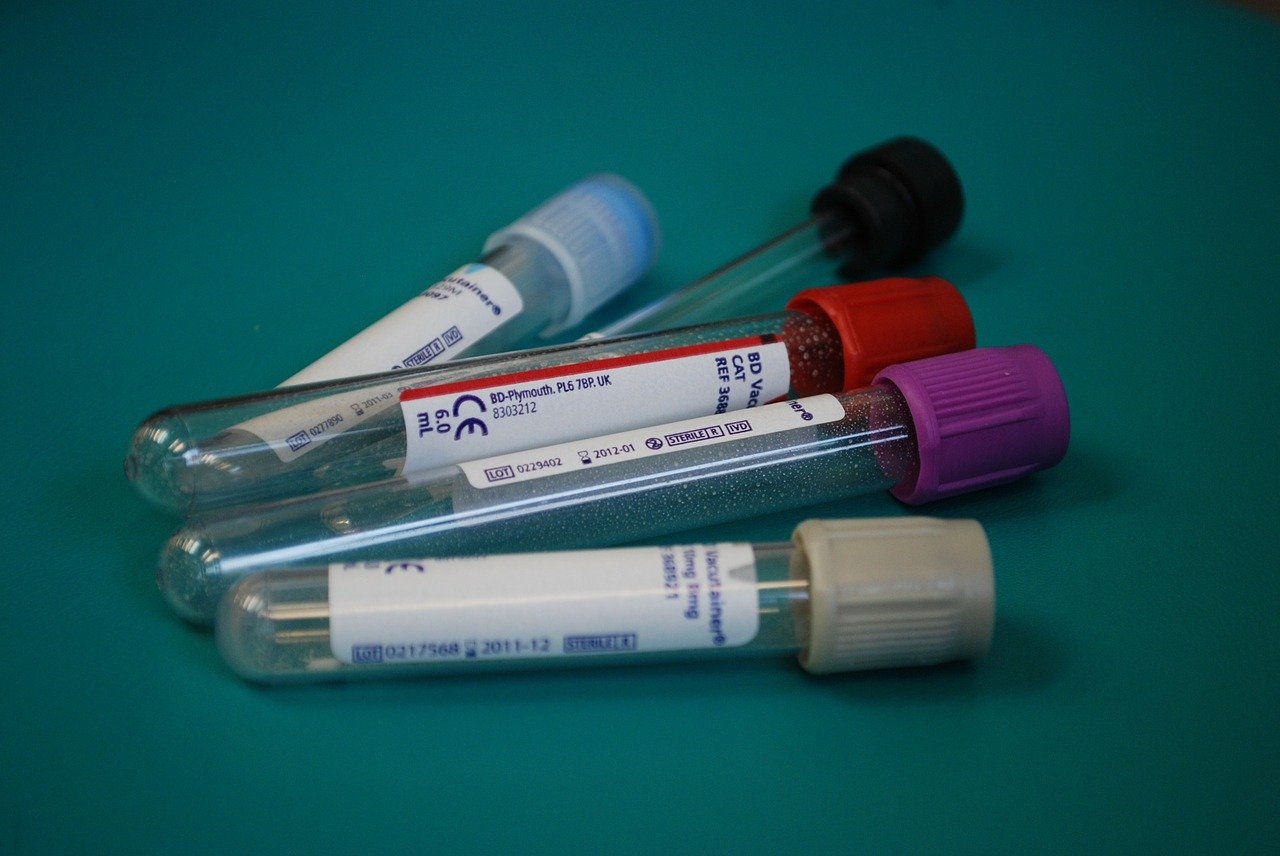
Authorities later discovered 113 tubes inside the case, according to court filings. At least 13 of those tubes reportedly contained deactivated monkeypox samples that required approval for transportation into the United States.
The complaint notes that FBI laboratory personnel had only examined 20 of the vials by the time the filing was submitted, leaving portions of the contents still under review.
The monkeypox strain involved in the research was described in the complaint as a moderate outbreak concern for the United States. Investigators also noted that the version of the virus differed from the strain associated with localized outbreaks in the United States during 2022.
Monkeypox can cause symptoms including painful rashes, swollen lymph nodes, and fevers. In some cases, the disease can be fatal.
According to the World Health Organization, monkeypox spreads through both human-to-human and animal-to-human contact. The organization has reported that since the 2022 global outbreak, the disease has primarily affected men who have sex with men.
Federal officials stressed that the allegations go beyond paperwork violations. Marcus Sykes, an agent with the Department of Health and Human Services, said any effort to conceal biological materials from inspectors represents a serious breach of trust.
“Any deliberate effort to conceal and smuggle biological materials into the United States without proper authorization is a breach of the public’s trust and could have placed the public at risk,” Sykes said.
For its part, the NIH emphasized its commitment to biosafety and responsible scientific research. The agency said leadership continues to prioritize accountability, compliance, and stewardship of research materials as investigators work to determine exactly what occurred.
Court records currently do not list an attorney representing either defendant.
[READ MORE: Trump Slams Democratic Senate Hopefuls Platner and Talarico in New Podcast Interview]