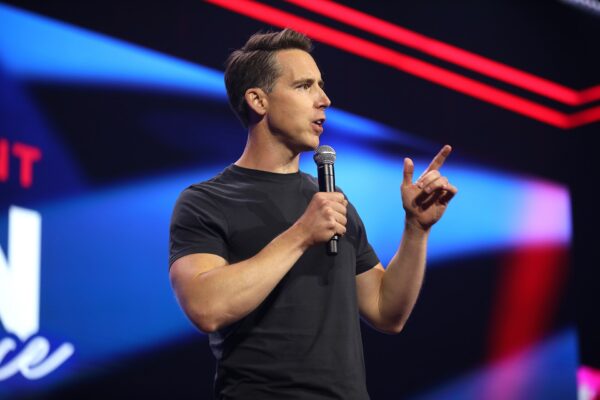
Sen. Josh Hawley, R-Mo., is expressing frustration with four fellow Republicans after they voted against a procedural motion tied to an effort to add the Safeguard American Voter Eligibility (SAVE America) Act to a nearly $70 billion budget reconciliation package.
The dispute unfolded during Senate consideration of the legislation when Sen. Lindsey Graham, R-S.C., offered an amendment that would have required documented proof of citizenship to register to vote and identification to cast a ballot. The proposal ultimately failed to secure enough support, falling 12 votes short of the 60-vote threshold needed for adoption.
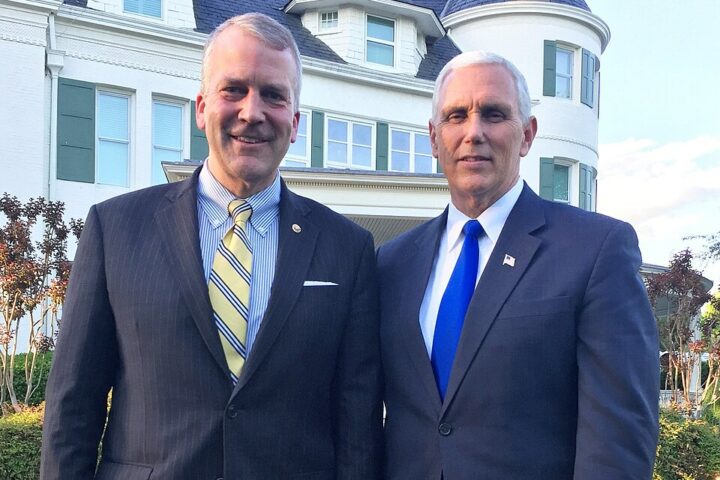
Four Republicans — Sens. Susan Collins of Maine, Mitch McConnell of Kentucky, Lisa Murkowski of Alaska, and Thom Tillis of North Carolina — joined Democrats in opposing a motion to waive procedural objections that stood in the amendment’s way.
Senate rules require amendments attached to budget reconciliation measures to clear several procedural hurdles unless senators unanimously agree to waive them. In this case, the effort stalled before it could move forward.
Speaking to Fox News Digital, Hawley said he was puzzled by the opposition from members of his own party, particularly given the popularity of voter identification requirements in many parts of the country.
“I guess it’s frustration,” Hawley said when asked about the amendment’s failure.
Pointing to his home state, Hawley noted that Missouri voters have already embraced voter ID requirements.
“Listen, we’ve been doing this in Missouri for years. I mean voters in my state put it in our constitution,” he said.
The Missouri senator argued that voter identification measures enjoy broad public support because many Americans view them as a way to promote confidence in elections.
“Voter ID is the most popular thing out there,” Hawley said. “There’s reason for that. People want their elections to be safe, they want them to be fair. And to me, you can’t explain it to me, why you wouldn’t vote for voter ID. I just don’t understand it.”
Despite Hawley’s criticism, the amendment faced significant obstacles from the start. It did not comply with the Senate’s Byrd Rule, which governs what provisions can be included in legislation moving through the budget reconciliation process. Because of those restrictions, the proposal had little realistic chance of becoming law through that vehicle.
According to Senate sources familiar with the debate, President Donald Trump nevertheless encouraged Senate Republicans to hold the vote. The sources said Trump wanted to identify which Republicans would oppose the amendment, even though its prospects for adoption were slim.
The four Republican senators who voted against the procedural motion have each offered reasons for their positions.
Collins announced earlier this year that she supports the SAVE America Act. Later during the marathon vote-a-rama process, she backed a separate amendment offered by Sen. Mike Lee, R-Utah, aimed at ensuring only citizens are registered to vote in federal elections and requiring voter identification.
Murkowski has also voiced support for voter ID requirements but argued in a February opinion piece that the SAVE America Act, as written, could create significant burdens for many Alaskans. She noted that a sizable portion of the state’s population lives off the road system and could face costly travel requirements simply to register.
McConnell has long maintained that election administration should remain primarily in the hands of the states, consistent with the Constitution.
Tillis likewise supports voter ID requirements and the SAVE America Act but has criticized what he views as symbolic votes designed more to send political messages than to produce legislation. Since the amendment was unable to satisfy Senate procedural requirements, it never had a viable path to becoming law.
The debate highlights ongoing divisions within the Republican conference over strategy and procedure, even on issues where many members share similar policy goals. As lawmakers continue battling over election rules, the episode also serves as a reminder that high-profile votes often generate political heat even when the outcome is largely predetermined.
[READ MORE: Trump Pushes for Immediate Ceasefire as Israel-Iran Fighting Escalates]