Two Republican lawmakers with deep foreign policy experience are raising alarms over reports that the United States may withdraw its remaining troops from Syria, warning that a reduced American presence could hand a major victory to ISIS at a critical moment.
Sen. Lindsey Graham of South Carolina reacted sharply Thursday to a report suggesting Washington is weighing a full military drawdown. Writing on X, Graham said ISIS would welcome such a move and argued that even a limited U.S. footprint plays an essential role in preventing the terror group’s return.
“Wow, if true, ISIS would love that,” Graham wrote. He said a small number of U.S. troops working alongside local partners serves as an insurance policy against the reemergence of ISIS and potential attacks on the U.S. homeland. Graham added that Syria remains deeply unstable and that withdrawing now could have serious consequences. He said he believes many senators from both parties share concerns about what a pullout would mean under current conditions.
Graham was responding to a report from The Wall Street Journal that said the U.S. is considering pulling all forces from Syria. The report noted that President Ahmed al-Sharaa’s forces have been pressing U.S.-allied Kurdish militias, known as the Syrian Democratic Forces, to integrate into the central government while making territorial gains in the country’s northeast.
A defense official told The Hill late Thursday that the U.S. does not discuss troop numbers or movements in order to protect operational security and troop safety. A Pentagon spokesperson later said the department had nothing further to provide and does not speculate on hypothetical future operations.
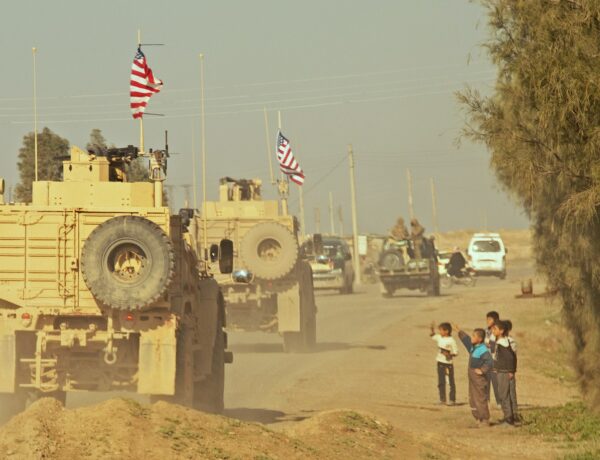
There are roughly 1,000 U.S. service members currently in Syria, most stationed in the northeast, with others located at Al Tanf Garrison in the southeast. American forces have maintained a presence in the country since 2014 with the stated mission of preventing an ISIS resurgence.
U.S. troops have worked closely with the SDF in operations and patrols against ISIS. However, the SDF has suffered setbacks in recent weeks. Forces loyal to al-Sharaa have seized oil facilities, a dam, and a military base, prompting a temporary ceasefire. The SDF later handed control of Deir Ezzour and Raqqa to the interim government’s military as al-Sharaa’s forces continued advancing.
Rep. Michael McCaul of Texas, the former chairman of the House Foreign Affairs Committee, echoed Graham’s concerns. He said that while there is hope for Syria’s new government, the country remains in a fragile transition period.
“A very small U.S. footprint provides regional stability and helps prevent the last thing our world needs: an ISIS resurgence in Syria,” McCaul wrote on X.
One concern highlighted in the Journal report is the composition of the interim government’s forces. According to two unnamed officials cited by the paper, al-Sharaa’s military includes fighters with links to ISIS, al-Qaeda, and other terrorist groups accused of war crimes against Druze and Kurdish populations.
The Pentagon began withdrawing about 600 troops from Syria last year, citing progress in the fight against ISIS. President Donald Trump attempted a full withdrawal in 2018, but the move was resisted by Defense Department leadership and ultimately led to the resignation of then–Defense Secretary Jim Mattis.
Some voices support a pullout. Dan Caldwell, a former senior adviser to Defense Secretary Pete Hegseth, said the U.S. can meet its objectives in Syria without risking troops through a permanent presence in the northeast.
Public opinion also leans toward withdrawal. An October poll by Concerned Veterans for America and YouGov found that 61 percent of Americans favor bringing all U.S. service members home from Syria.