A prominent Fox News contributor is raising concerns about the messaging coming out of Washington during a time of conflict, drawing a striking comparison that is sure to spark debate among conservatives and critics alike.
Gerard Baker, former editor-in-chief of The Wall Street Journal and a frequent voice on Fox News and Fox Business, took aim at President Donald Trump’s statements on potential negotiations with Iran, suggesting the administration’s public messaging may not be aligning with reality.
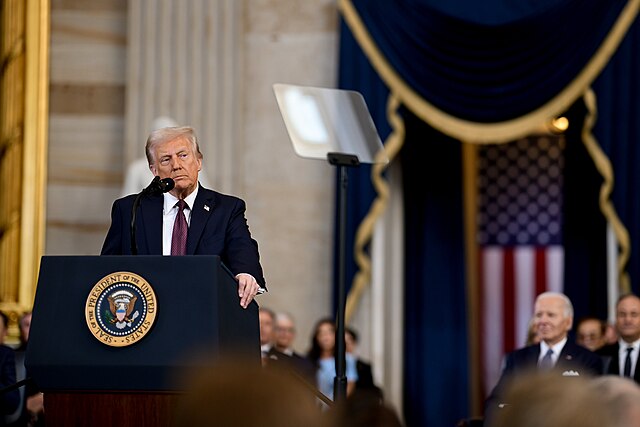
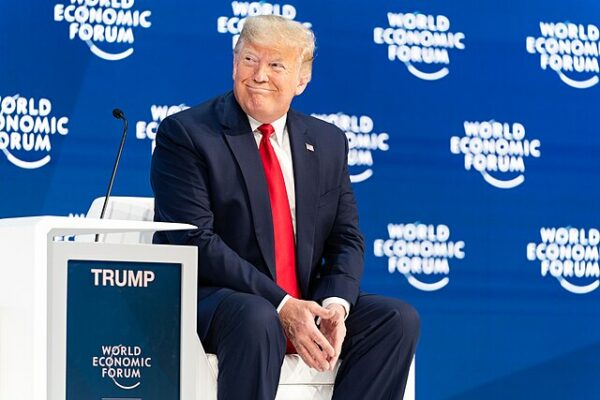
The controversy began after Trump announced on Truth Social that the United States and Iran had engaged in what he described as “very good and productive conversations” over the previous two days. The president said the talks were focused on achieving a “complete and total resolution” to hostilities in the Middle East.
According to Trump, the tone of the discussions had been constructive enough to justify a temporary pause in military action. He stated that he had directed the Department of War to postpone all strikes on Iranian power plants and energy infrastructure for five days, contingent on the success of ongoing discussions.
The announcement, if accurate, suggested a possible off-ramp from further escalation — a development many Americans might welcome after weeks of rising tensions and costly military engagement. But almost immediately, Iran pushed back.
Iran’s state-run Fars News Agency flatly denied that any such talks had taken place, reporting that “there has been no direct or indirect contact” between the two governments. The outlet also claimed that Trump had “backed down” following Iranian threats to target “all power plants in West Asia.”
Adding to the confusion, Iran’s foreign ministry issued a statement portraying Trump’s comments as part of a broader strategic effort, suggesting they were intended to influence energy prices and buy time for military planning. The ministry also emphasized that Iran did not initiate the conflict and said any calls for de-escalation should be directed at Washington.
The stark contrast between the two accounts has left observers trying to determine where the truth lies — a troubling position during wartime, when clarity and credibility are often as important as military strength.
It was against this backdrop that Baker delivered his pointed critique. In a post reacting to Iran’s denial, he wrote that Americans are now in the unusual and uncomfortable position of questioning their own government’s version of events.
“The unsettling reality is that with this president, Americans in wartime are in the unprecedented position of having to suspect that the enemy’s version of events is more likely to be true than our own,” Baker wrote.
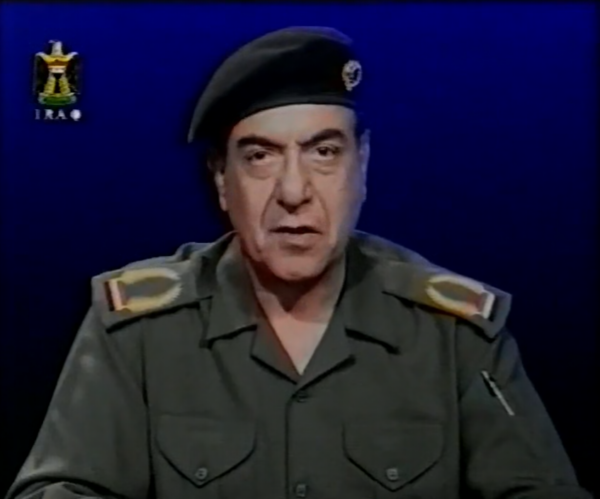
He went even further, invoking the nickname of Saddam Hussein’s former information minister, Mohammed Saeed al-Sahhaf — widely known as “Baghdad Bob” — who became infamous during the Iraq War for making demonstrably false claims about battlefield successes even as his government was collapsing.
“We have become Baghdad Bob,” Baker added.
The comparison is a sharp one, particularly coming from a figure closely associated with conservative media. It reflects a deeper concern that, in the fog of war, mixed or conflicting narratives can erode public trust and make it harder for Americans to assess the true state of affairs.
At the same time, Trump’s decision to pause potential strikes — even temporarily — suggests an awareness of the risks of further escalation. While no outcome is guaranteed, the situation highlights the delicate balance between projecting strength abroad and maintaining credibility at home, especially when the costs of conflict continue to mount and the path to peace remains uncertain.