Director of National Intelligence Jay Clayton pushed back Tuesday against growing speculation that hackers or hostile foreign powers were behind a string of technology failures that have rattled Americans over the past week. He said the evidence instead points to system upgrades and security patches.
“This is not a cyberattack, and this is not a coordinated effort by a nation-state,” Clayton said in an interview with CNBC.
“We’ve looked very closely. Anytime we see something like this, those are the first questions that we ask on behalf of the American people,” he added. “That is not what’s going on here.”
The disruptions have hit several industries in a matter of days, grounding flights, slowing bank transactions and knocking out email services. Last week the FAA issued a nationwide ground stop that halted departures across the country. JPMorgan Chase reported a technical issue that delayed transactions, and Microsoft worked to fix a global Outlook outage.
On Tuesday, an internal National Security Agency communications system used to share classified information temporarily went down. The NSA said the problems happened during “scheduled routine maintenance” and that “mission-critical capabilities remain fully operational.”
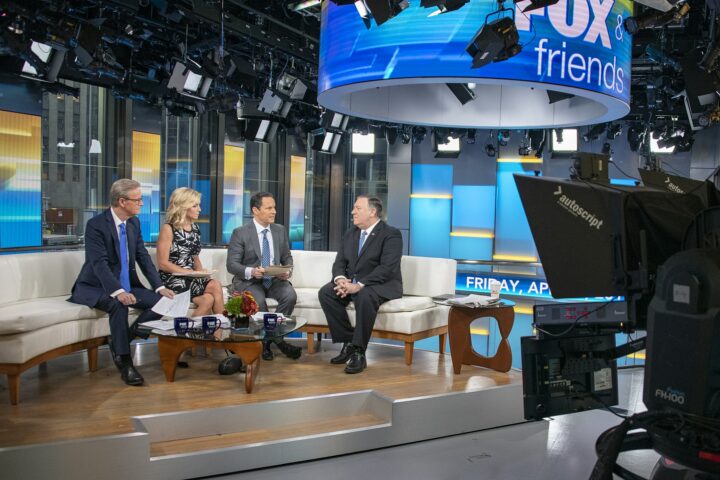
Appearing on Fox Business’ “The Claman Countdown,” Clayton linked the NSA outage to patching that followed the discovery of a PHP vulnerability. He explained that the patching “has caused some of these systems to not come back up when you patch them as expected.”
“We do not see the indicia of a coordinated cyber attack,” Clayton said, adding that “we do not see the indicia of state-sponsored activity here.”
He said the FBI and NSA were right to call for affected systems to be taken offline so the fixes could be installed. “The FBI and the NSA were appropriately saying, take it down, get the patch in place,” he said.
Clayton said he was “fairly confident” in the assessment, because “we know those things exist and we have been looking for them in the past.” He stressed that system operators are responsible for patching known vulnerabilities that bad actors could exploit, and he warned that more patches will come as infrastructure is upgraded.
Clayton chairs the White House Super Intelligence Force. He said artificial intelligence can scan systems faster than ever, so more vulnerabilities are being found, and that makes quick patching and reporting critical. He also called for continued engagement between the government and the AI industry to address cybersecurity concerns before frontier AI models are released.
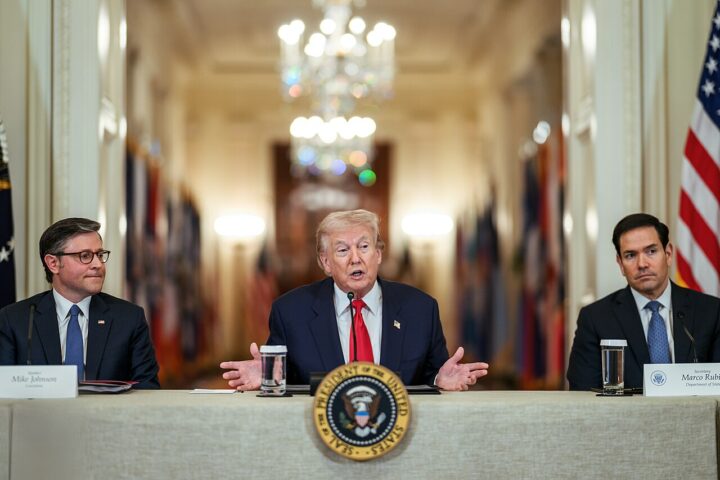
Secretary of State Marco Rubio echoed that message Tuesday, calling the recent failures “completely unrelated” and saying they were not tied to a cybercriminal, a hostile actor or another country.
“We are not under systemic attack,” Rubio told reporters. He acknowledged the failures were “unsettling” but said ordinary computer errors could explain them. “Each of them are distinct, and they’re different in their causation,” he said.
Even Senate Intelligence Committee Vice Chairman Mark Warner, D-Va., agreed. In a statement, he said there was no indication of a cyberattack, foreign interference or a coordinated effort. He said the evidence so far points to “legitimate efforts to secure our systems, not malicious activity,” though he added that the incidents still need to be fully investigated.
Clayton repeated his assessment Wednesday before the House Homeland Security Committee, telling lawmakers the recent disruptions are unconnected and are not the result of a cyberattack.