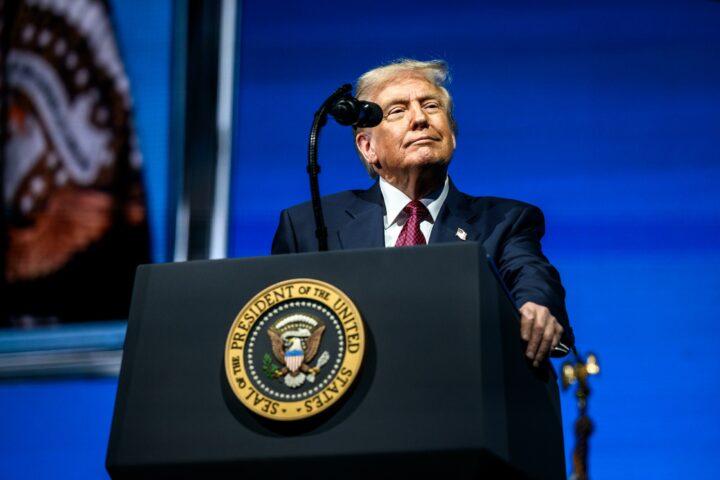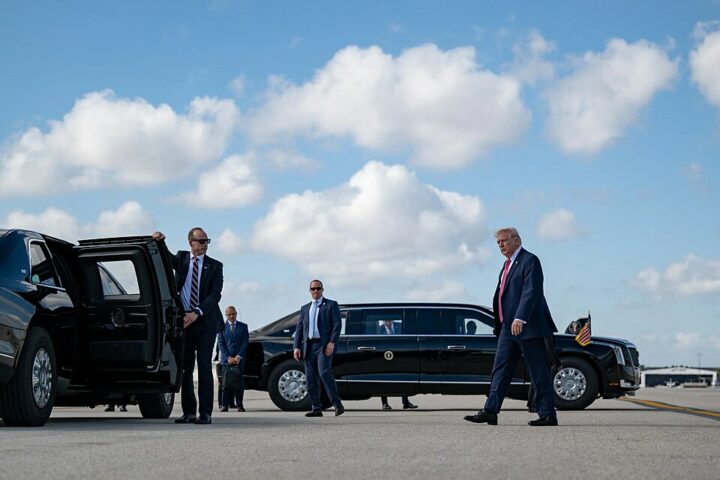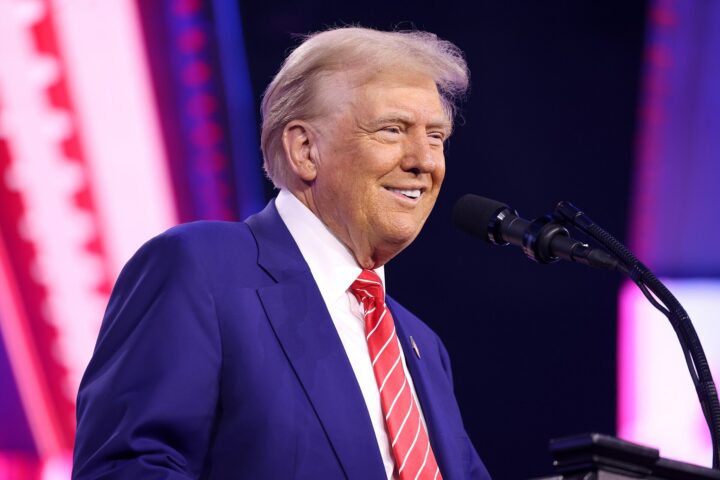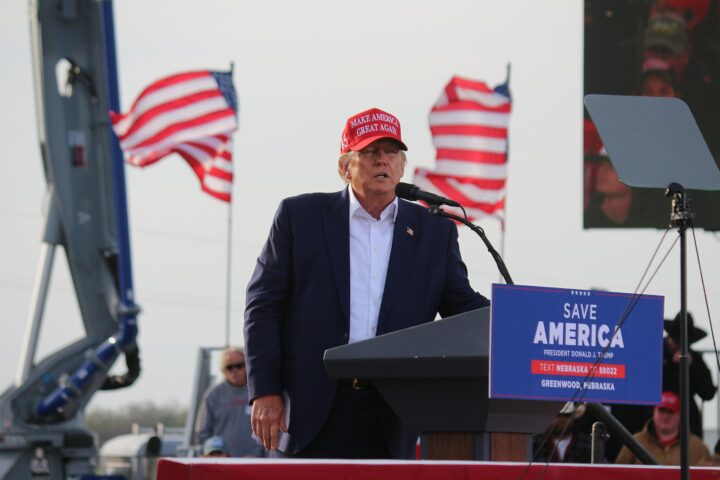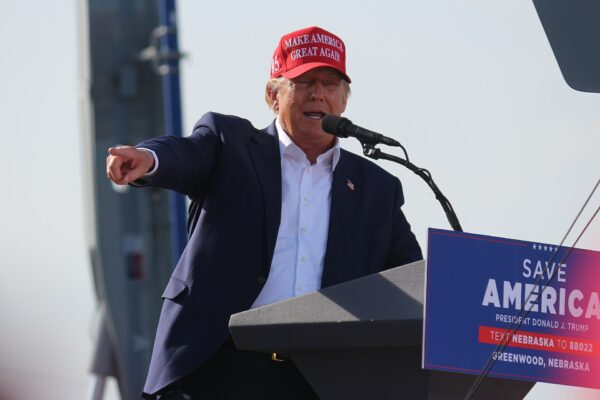
As the election approaches, Trump has found himself holding rally in states he didn’t anticipate: Red States. The president campaigned in Alabama and Ohio over the weekend, urging Republicans to “pretend I’m on the ballot.” But his descriptions of a “golden age” have collided with voters’ assessments of the economy and warnings from within his own party that the White House is missing the central issue.
“We have to tell the American people the truth,” Louisiana Republican Sen. John Kennedy said Sunday on NBC’s “Meet the Press.” He described the cost of living as the campaign’s defining concern and said “we (keep) telling them not to believe their own lying checkbooks.”
The administration offered a different assessment. National Economic Council Director Kevin Hassett dismissed polling showing economic distress and attributed grocery and food prices to former President Joe Biden. He also characterized September’s reported gain of just 29,000 jobs as an outlier. “Ahead of an election cycle, the fact that there’s possibly partisan pollsters telling us that the people are really, really depressed, it’s a classic Democrat move,” Hassett told CNN’s Jake Tapper.
Recent surveys show the political risk of that approach. A CBS News poll found 70 percent of voters said Trump’s policies were pushing prices higher, while 56 percent held his policies responsible for the economy, compared with 20 percent who blamed Biden. An AP/NORC survey found 69 percent of adults said Trump’s handling of living costs had been worse than expected.
The discontent has widened the Senate battlefield. New York Times/Siena polls published Saturday showed Democrats leading in Republican-held races in Alaska and Texas, with no clear leader in Ohio, Kansas and Iowa. A leading Republican super PAC also paused spending in North Carolina, where Republican Michael Whatley is trailing.
Trump carried Ohio by 11 points in 2024. Its competitive Senate race now illustrates the challenge facing Republicans as the Iran war keeps pressure on gasoline and diesel prices.
The president has paired his turnout appeals with promises of direct payments. The White House announced a $90 payment to roughly 20 million Medicare Part B beneficiaries, and Trump said last month that every American adult would receive $5,000 if Republicans retain Congress. Arizona Democratic Sen. Mark Kelly dismissed the proposals as “trying to buy votes.”
Democrats, as always, have offered few specifics about how they would bring costs down, mostly pointing to billionaires and mumbling about tariffs, but they need only modest gains to take the House and a net gain of four seats to capture the Senate. Either chamber would give them greater power to investigate the administration; control of the Senate would also put them in charge of judicial confirmations.
Republicans still have time to close the gap, particularly if Trump can turn out voters who supported him in 2024. Their immediate challenge is persuading those voters that the economic relief he promised is reaching their households.