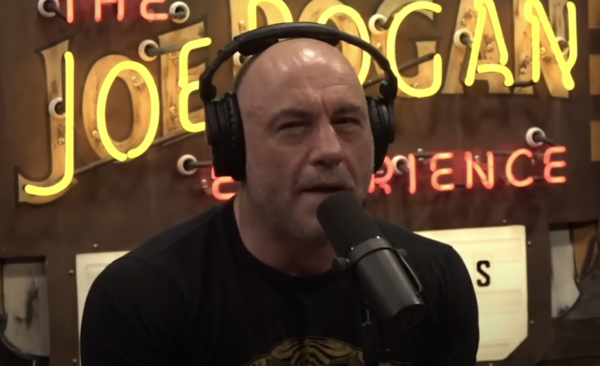
Vice President JD Vance faced pointed questions from podcast host Joe Rogan on Wednesday about the ongoing conflict with Iran, as the two spent a significant portion of their highly anticipated conversation discussing stalled diplomacy, renewed military action, and the role Israel plays in U.S. foreign policy.
Rogan, who has spent months criticizing the war with Iran on his podcast, opened the discussion by questioning why negotiations between the United States and Iran appear to repeatedly gain momentum before ultimately collapsing into renewed violence.
“So what is going with Iran?” Rogan asked, noting that President Donald Trump has repeatedly announced progress toward agreements, only for those efforts to unravel as bombing campaigns resume shortly afterward.
Vance responded with a sigh before jokingly asking how much time they had to cover the topic. After Rogan assured him they could take as long as necessary, the vice president offered his assessment of the situation.
According to Vance, understanding Iran requires recognizing what he described as two competing factions within the country’s leadership. He argued that Iran is divided between Islamic religious hardliners and more pragmatic figures, with both groups pulling the government in different directions.
“My summary view, Joe, is that I can’t, of course, predict the future,” Vance said, adding that while he believes events are moving in the right direction overall, the process is likely to remain complicated and marked by repeated setbacks.
Vance pointed to the period following the signing of the Memorandum of Understanding in June as an example of those challenges. He said approximately 20 million barrels of oil quickly began moving through the Strait of Hormuz after the agreement was reached, while oil prices dropped back to pre-war levels.
According to Vance, those developments alarmed Iran’s hardliners, who feared they had surrendered one of their strongest sources of leverage.
He said that concern led Iran to violate the ceasefire by attacking ships, prompting the United States to respond with military strikes against Iranian targets.
Vance argued that the renewed violence reflects an internal struggle within Iran between religious hardliners seeking to close the Strait of Hormuz and pragmatists pursuing a different approach.
He described the administration’s strategy as balancing diplomacy with military deterrence, saying the United States is simultaneously using economic pressure, incentives, negotiations with pragmatic Iranian leaders, and military responses when attacks occur.
“All of those things are happening simultaneously,” Vance said.
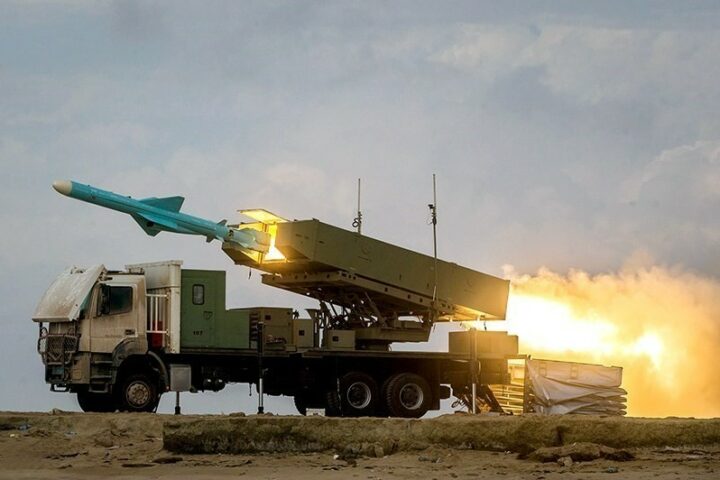
His comments came as the United States carried out strikes against Iran for the fifth consecutive day on Wednesday.
Later in the interview, Rogan shifted the discussion toward Israel, raising concerns about America’s relationship with the country. He argued that Israel has been losing public support in the United States because many Americans believe it exercises disproportionate influence over U.S. politics.
Vance rejected the suggestion that Israel is unique in attempting to shape American policy, saying many foreign governments seek to influence Washington.
When Rogan pressed him further, asking specifically about Israel’s effectiveness, Vance acknowledged that Israel has been more successful than many other nations at advancing its interests but maintained it is far from the only country that attempts to influence U.S. decision-making.
Rogan then raised a broader concern, asking whether some Americans believe U.S. politicians are more loyal to Israel than to their own country.
He followed by asking whether the United States would have entered the conflict with Iran absent Israel’s influence.
Vance rejected that premise, saying President Trump independently believes Iran should not possess a nuclear weapon and emphasized that he shares that view.
Rogan reacted with visible surprise to the response.
The exchange echoed previous comments from Trump, who has dismissed suggestions that Israel pushed the United States into launching Operation Epic Fury. Trump has previously said that, if anything, he may have pressured Israel rather than the other way around. He has also stated that Israeli Prime Minister Benjamin Netanyahu would have to accept whatever agreement he negotiates with Iran, adding, “I call the shots. I call all the shots. [Netanyahu] doesn’t call the shots.”
[READ MORE: House Votes to Let States Keep Daylight Saving Time Year-Round]