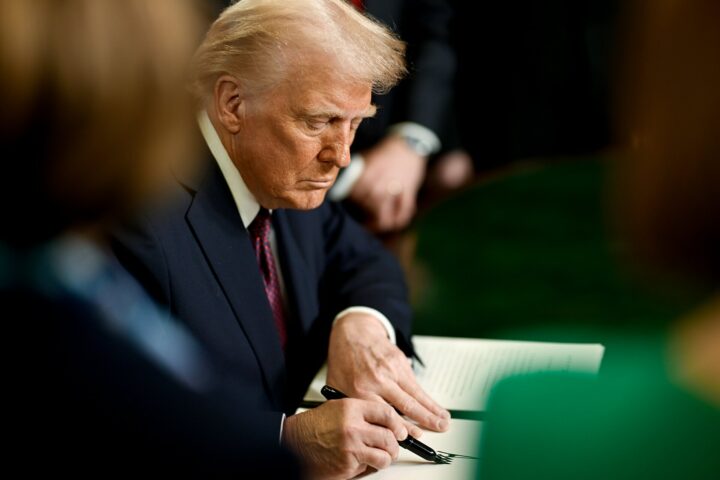
President Donald Trump abruptly postponed a planned executive order on artificial intelligence Thursday after former AI czar David Sacks warned that the measure could slow technological progress, according to multiple sources familiar with the discussions.
The last-minute delay came after some technology companies objected to the proposal, which would have established a voluntary federal review process for advanced AI systems before their public release. Sacks, a prominent Silicon Valley investor, contacted Trump directly Thursday morning to raise concerns about the directive, sources told POLITICO. The intervention came even though Sacks had been briefed on the order in the preceding days.
The executive order would have allowed developers of powerful AI models to voluntarily submit their systems for review by federal agencies before release. Supporters of the proposal said the process was intended to reduce the risk that advanced AI could be used for cyberattacks or other harmful activities. But in his conversation with Trump, Sacks argued that companies were already cooperating on safety issues and that even a voluntary federal pre-release review could slow innovation at a pivotal moment in the technological competition with China.
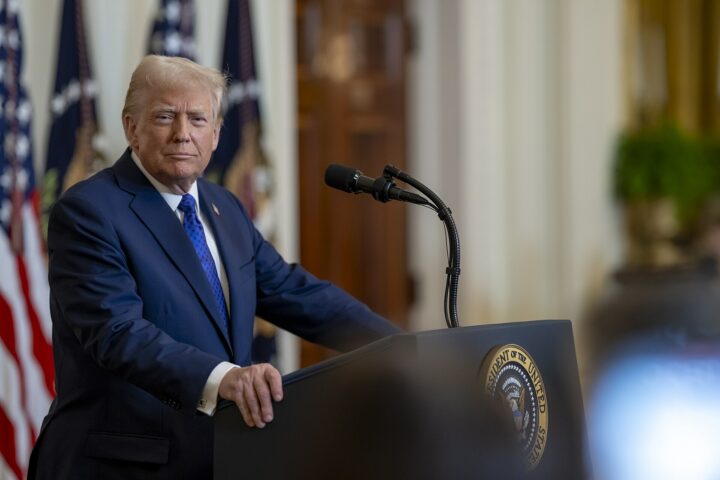
“I didn’t like certain aspects of it,” Trump told reporters Thursday morning. “I think it gets in the way of — we’re leading China. We’re leading everybody, and I don’t want to do anything that’s going to get in the way of that.”
On why he delayed the AI security EO, Trump said:
"I think it gets in the way of, we're leading China, we're leading everybody, and I don't want to do anything that's going to get in the way of that lead. We have a very substantial on AI, it's causing it's causing tremendous… https://t.co/cVoHzXPKEq
— Elizabeth Troutman Mitchell (@TheElizMitchell) May 21, 2026
One senior White House official described the episode as a sudden reversal. Sacks had reviewed the order earlier in the week and appeared supportive, the official said, before raising objections Wednesday night and calling the president directly the next morning without the knowledge of many aides.
“Then, he called POTUS this morning unbeknownst to anybody, his own staff included, and derailed it,” the official told Politico.
The draft order emphasized that the process would not be mandatory. It stated: “Nothing in this section shall be construed to authorize the creation of a mandatory governmental licensing, preclearance, or permitting requirement for the development, publication, release, or distribution of new AI models, including frontier models.”
Sacks did not respond to requests for comment. Sources familiar with the discussions said he was not the only opponent of the measure and that other industry figures had also raised concerns.
The planned signing ceremony had included invitations to several leading Silicon Valley executives. But several CEOs were unable to attend on short notice, leaving lower-level representatives from companies including OpenAI, Anthropic, and Meta expected to participate.
The delay underscored a central tension facing the administration as it seeks to shape federal AI policy: how to address safety risks without creating a regulatory structure that industry critics say could burden one of America’s most important technological advantages.