The White House is forcefully denying reports that the United States plans to lift sanctions on Iranian oil exports, pushing back against claims circulating in both American and Iranian media as tensions surrounding negotiations with Tehran continue to escalate.
A U.S. official suggested the Trump administration had agreed to ease restrictions on Iranian oil were simply untrue.
“This is false,” the official said in response to reports from CNBC and Iran’s government-linked Tasnim News Agency claiming the United States had agreed to lift sanctions as part of ongoing negotiations.
The conflicting reports emerged as Iran continues pressuring Washington to roll back oil sanctions overseen by the Treasury Department’s Office of Foreign Assets Control, commonly known as OFAC. Tehran has repeatedly demanded sanctions relief during negotiations tied to the ongoing conflict and broader disputes over Iran’s nuclear ambitions.
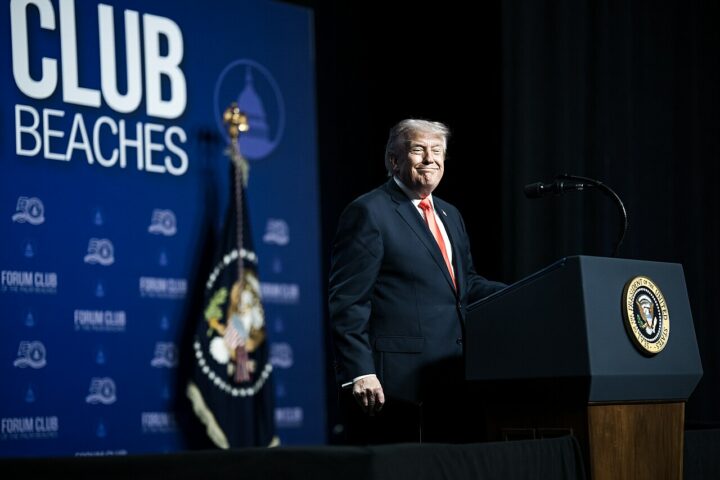
According to the reports, Iran submitted a revised proposal to the White House on Monday after earlier efforts to secure an agreement reportedly failed. President Donald Trump reportedly dismissed the latest Iranian proposal in blunt terms, describing it to Fox News as a “piece of garbage.”
Still, despite the heated rhetoric, Trump also confirmed that he halted plans for a scheduled military strike on Iran earlier Monday following requests from Persian Gulf allies. The president said “serious negotiations are now taking place,” signaling that diplomacy remains active even as pressure on Tehran continues.
The situation reflects the difficult balancing act facing the administration as it attempts to contain Iran’s nuclear program without pushing the region further toward open conflict. While the White House has maintained its hardline sanctions posture, the economic and geopolitical consequences of the standoff are becoming increasingly difficult to ignore.
Trump intensified sanctions on Iran in February 2025 through National Security Presidential Memorandum 2, launching what the administration described as a “robust and continual campaign” designed to reduce Iran’s oil exports to zero. The administration argued the effort was necessary to deny Tehran the financial resources needed to pursue a nuclear weapon.
Since then, the administration has implemented hundreds of additional sanctions targeting Iran’s oil industry and related financial networks. On May 11, OFAC announced another escalation under what officials called “Operation Economic Fury,” sanctioning 12 individuals and organizations accused of helping transport Iranian oil to China and assisting Iranian cover companies.
According to a Treasury Department press release, the sanctions campaign has already “disrupted billions in projected oil revenue” and directly targeted what the administration described as the Iranian regime’s primary source of funding.
But while the sanctions campaign has tightened pressure on Tehran, the broader confrontation has also carried serious economic consequences far beyond the Middle East.
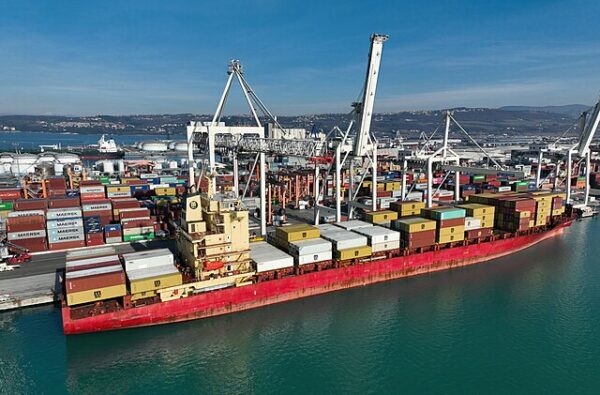
The U.S.-Iran blockade involving the Strait of Hormuz has disrupted roughly 20 percent of the world’s crude oil supply, rattling global energy markets and contributing to growing economic strain at home. Americans are increasingly feeling the impact at the gas pump, with the national average gasoline price reaching $4.533 per gallon, according to the American Automobile Association.
As negotiations continue behind closed doors, the administration appears determined to project strength while avoiding a wider regional war that could further destabilize energy markets and deepen the economic burden already weighing on American families.
[READ MORE: Maine Democrat Faces Renewed Scrutiny Over Graphic Reddit Posts and Past Online Controversies]