A stark warning from Fatih Birol is now reportedly raising fresh concerns about the global consequences of prolonged conflict, as Europe could run dangerously low on jet fuel in a matter of weeks if a key maritime chokepoint remains closed.
Speaking to The Associated Press on Thursday, the International Energy Agency chief cautioned that Europe may have “six weeks or so” of jet fuel remaining if the Strait of Hormuz remains shut. The disruption, he said, has already triggered what he described as “the largest energy crisis we have ever faced,” sending oil and gas prices soaring worldwide.
The consequences are no longer theoretical. Birol warned that if the strait does not reopen soon, travelers could begin to see real-world impacts, including canceled flights between major cities due to fuel shortages. While developed economies brace for the shock, he emphasized that developing nations in Latin America, Africa, and Asia are likely to bear the heaviest burden, even as the ripple effects touch nearly every corner of the global economy.
According to Birol, the longer the disruption continues, the more severe the economic fallout will become. Nations already grappling with inflation could find themselves slipping toward slow growth or even recession if the strait remains closed through the end of May. His assessment paints a troubling picture of a global economy teetering under the weight of geopolitical instability.
The Strait of Hormuz, a vital artery through which roughly 20 percent of the world’s oil and gas flows, has been closed twice by Iran since the conflict began. The most recent shutdown followed a short-lived ceasefire agreement with the United States. Iranian officials pointed to Israeli strikes on Lebanon as a violation of that agreement, further complicating an already fragile situation. It remains unclear whether a newly announced 10-day ceasefire between Israel and Lebanon will have any effect on reopening the passage.
Even if the blockade were lifted immediately, Birol suggested the damage may already be done. More than 110 oil tankers and over 15 liquefied natural gas carriers remain stuck in the Persian Gulf, and allowing them through would not be enough to stabilize the market. He noted that over 80 key energy assets in the region have been damaged, with more than a third suffering severe or very severe destruction. Restoring production to pre-conflict levels, he said, could take up to two years.
In a moment of grim levity, Birol referenced the band Dire Straits, calling the situation a “dire strait” with far-reaching implications. The longer the standoff continues, the more it threatens global growth and fuels inflation.
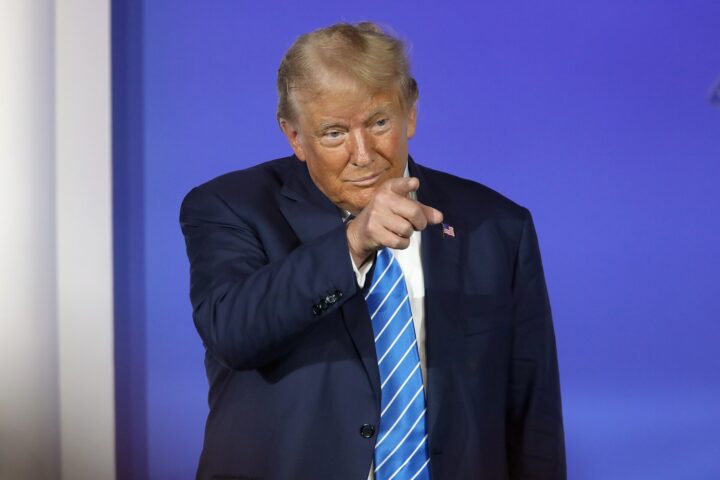
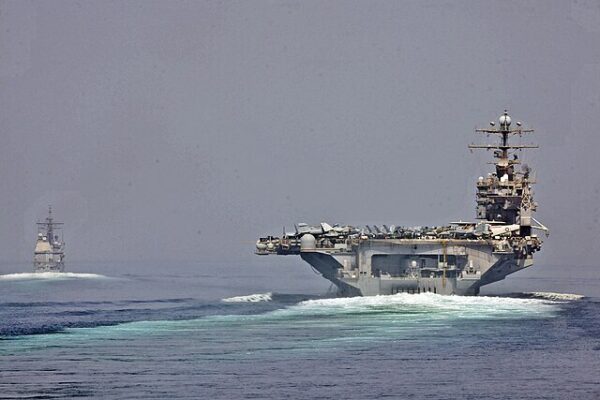
Meanwhile, the United States has taken a hard line. Under orders from Donald Trump, U.S. naval forces have established a blockade aimed at preventing vessels from passing through the strait after peace talks with Iran collapsed. The move has already had immediate effects, with Joint Chiefs of Staff Chair Dan Caine stating that 13 ships turned around rather than challenge the blockade.
Caine made clear that enforcement will remain strict, warning that any vessel failing to comply with U.S. instructions “will be dealt with accordingly.” It’s a posture that underscores both the strategic importance of the region and the high stakes involved.
Yet as the standoff continues, the broader costs are becoming harder to ignore. What began as a geopolitical confrontation is now cascading into an economic emergency, raising difficult questions about how long such measures can be sustained before the global consequences outweigh the intended gains.
[READ MORE: Army Shuts Down Social Media Accounts After Post Praising Sen. Duckworth Draws Scrutiny]