A growing divide within Republican leadership came into focus Wednesday as John Thune publicly pushed back on comments made by Vice President JD Vance regarding Pope Leo XIV and his role in speaking on theological and moral issues tied to global conflict.
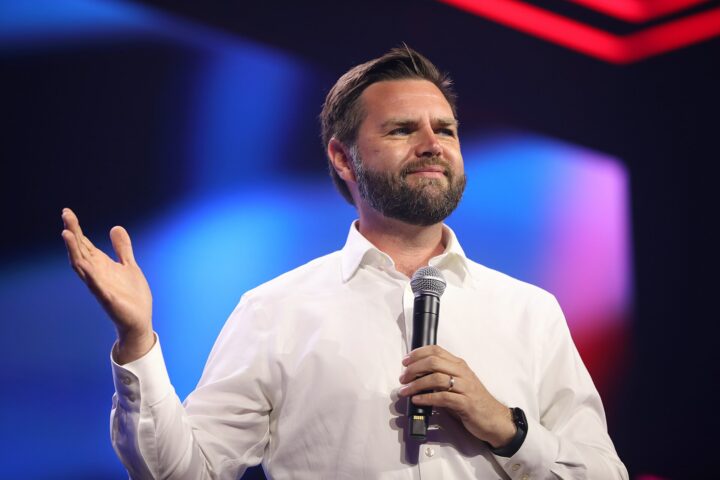
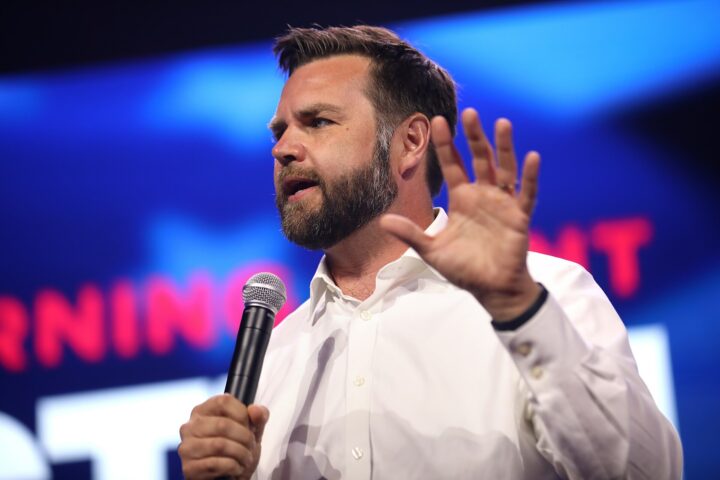
The exchange follows remarks Vance delivered Tuesday at a Turning Point USA event in Georgia, where the vice president, a Catholic convert, suggested that the pope should tread carefully when addressing matters of theology. His comments came as the pontiff has raised concerns about the ongoing war in Iran, a conflict that has also drawn sharp responses from Donald Trump.
“I think it’s very, very important for the Pope to be careful when he talks about matters of theology,” Vance said, while acknowledging that the Catholic leader plays an important role in advocating for peace. At the same time, Vance questioned broader theological statements, asking, “How do you say that God is never on the side of those who wield the sword?”
The remarks quickly drew attention, highlighting a tension that often surfaces when political leaders and religious figures speak across overlapping spheres—particularly in times of war, when moral clarity can be both sought after and contested.
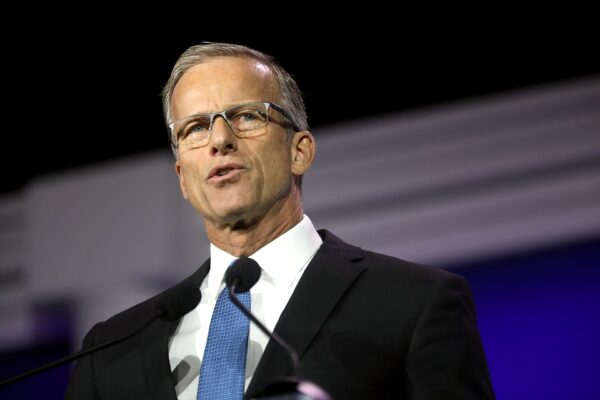
Thune, the Senate Majority Leader, did not hesitate to offer a pointed response when asked about Vance’s comments. Speaking to reporters, Thune appeared to reject the notion that the pope should limit his voice on such matters.
“Isn’t that his job?” Thune said, underscoring a view that religious leaders are expected to weigh in on moral questions, especially those involving conflict and peace. He added that lawmakers should remain focused on issues closer to home. “I’d stay focused on the economic issues, pocketbook issues that most Americans care about. And let the church be the church.”
Thune’s response reflects a broader sentiment among some Republicans who, while supportive of strong leadership on the global stage, appear wary of political overreach into religious authority. His comments also echo a previous stance he took in response to criticism leveled at the pope by President Trump, when Thune said plainly, “I would leave the church alone.”
The president’s own remarks helped fuel the controversy earlier in the week. Trump criticized Pope Leo XIV on Sunday, accusing him of being “weak on crime” and taking issue with the pope’s willingness to question presidential actions. In a statement, Trump defended his record and electoral mandate, asserting that he was carrying out the agenda voters supported.
The back-and-forth illustrates a familiar but often uneasy dynamic: political leaders navigating public expectations during wartime while religious figures raise moral concerns about the human cost. While calls for strength and decisive action resonate in political circles, appeals for restraint and peace continue to emerge from religious voices.
As the debate unfolds, the disagreement between Thune and Vance suggests that even within a party typically aligned on many issues, there remains a fault line when it comes to how leaders should respond to moral critiques during times of conflict. In a moment when both authority and accountability are under scrutiny, the question of who should speak—and how—remains unsettled.
[READ MORE: NFL Reporter Steps Down Amid Media Frenzy Over Personal Photos]