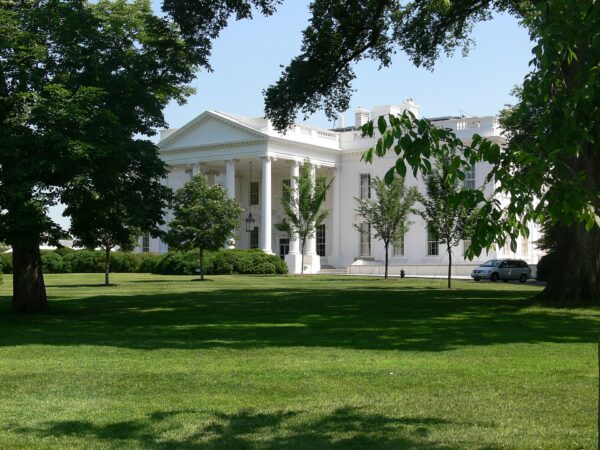
The White House issued a warning to staff last month reminding them not to use nonpublic information for financial gain, as scrutiny grows over a series of highly timed trades tied to the war in Iran.
A White House official confirmed that an internal email was sent to employees emphasizing long-standing federal ethics rules. Those regulations prohibit government workers from using confidential information to benefit financially and bar gambling activities on government property.
The reminder comes amid mounting questions about whether certain trades in oil markets and online prediction platforms may have been informed by privileged knowledge. While no wrongdoing by administration officials has been established, the timing and scale of some of the bets have raised concerns in Washington and beyond.
White House spokesperson Davis Ingle reinforced the administration’s stance, pointing to President Donald Trump’s position on ethics and market fairness. “President Trump has been crystal clear: while he seeks a strong and profitable stock market for everyone, members of Congress and other government officials should be prohibited from using nonpublic information for financial benefit,” Ingle said. He added that the administration’s focus remains on serving the American people, not special interests.
Ingle also pushed back on speculation that officials may have engaged in improper conduct, calling such claims “baseless and irresponsible” without evidence. Still, the memo itself reflects an awareness of the broader optics at a time when financial markets have been closely tied to geopolitical developments.
Reports cited in the memo highlighted unusual activity on prediction markets, where users wager on real-world events. According to NPR, one account on Polymarket earned more than $550,000 after placing bets related to Iran and its Supreme Leader, Ali Khamenei, shortly before strikes in late February. Those strikes ultimately resulted in the Iranian leader’s death.
Additional reports from the Associated Press indicated that several newly created accounts placed bets on whether the United States and Iran would reach a ceasefire just hours before the announcement of a two-week pause in hostilities. Those wagers reportedly generated hundreds of thousands of dollars in profits.
The pattern extends beyond prediction platforms. Activity in traditional financial markets has also drawn attention. The Financial Times reported that traders placed approximately $580 million in crude oil futures bets just 15 minutes before Trump posted on social media about productive talks with Iran. Such trades, if coincidental, highlight the volatility of markets during times of geopolitical uncertainty. If not, they raise difficult questions about access to sensitive information.
The convergence of war, financial markets, and rapid information flow has created a high-stakes environment where even the perception of impropriety can erode public trust. While officials stress that existing ethics rules are clear and enforceable, the recent activity underscores how quickly global conflict can ripple into economic behavior.
At a moment when Americans are already feeling the financial effects of instability abroad, concerns about fairness in the markets add another layer of unease. The administration’s warning may be routine on paper, but its timing suggests a recognition that transparency and accountability are especially critical when decisions made in war rooms can move billions of dollars in markets within minutes.
As investigations and reporting continue, the episode serves as a reminder that the consequences of conflict are not confined to the battlefield. They can also surface in trading floors and online platforms, where the line between informed speculation and unfair advantage becomes increasingly difficult to ignore.
[READ MORE: First Lady Calls Out Those Connecting Her To Epstein]