The Trump administration is moving to formalize a sweeping crackdown on fraud in federal benefit programs.
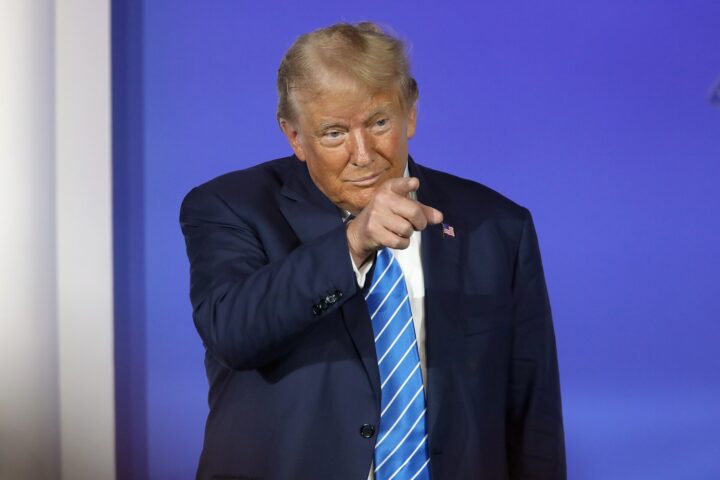
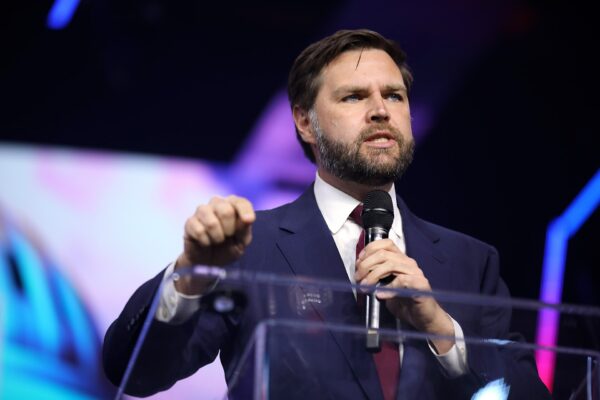
President Donald Trump is expected to sign an executive order Monday afternoon creating a new federal task force aimed at rooting out fraud across a wide range of government assistance programs. Vice President JD Vance will chair the initiative, placing the White House’s second-in-command at the center of the administration’s latest push to tighten oversight of federal spending., according to reports.
The order will be signed during a ceremony in the Oval Office, with Vance appearing alongside the president. The move reflects a growing focus inside the administration on what officials say is widespread abuse within social services programs.
Recent investigations have helped drive that concern. Federal prosecutors have brought numerous indictments in Minnesota tied to alleged schemes involving fraudulent claims for nutrition assistance and autism care services. Officials believe those cases may represent only part of a broader national problem.
According to details contained in the forthcoming order, federal authorities suspect similar vulnerabilities may exist in multiple states, including California, Illinois, New York, Maine, and Colorado. Investigators believe gaps in oversight and verification procedures could leave large portions of the social safety net exposed to fraudulent activity.
The task force will bring together senior officials from across the federal government. Federal Trade Commission Chairman Andrew Ferguson will serve as vice chair, while White House adviser Stephen Miller will act as a senior adviser to the group. Cabinet secretaries will participate when necessary to assist with the task force’s work.
The executive order instructs the group to develop a national strategy designed to prevent fraud in programs that distribute housing assistance, food benefits, medical services, and direct financial support through federal, state, and local partnerships. Proposed reforms are expected to include stronger identity verification requirements, tighter documentation standards, and routine audits intended to detect and deter abuse.
🚨HOLY SMOKES. Massive California taxpayer healthcare fraud EXPOSED.
An elderly Nevada doctor’s identity was used to file $600 MILLION in claims across 76,000 submissions in the Los Angeles area.
He’s also tied to nearly two dozen hospice providers.
pic.twitter.com/KvOj6XIVJd— Jack (@jackunheard) March 13, 2026
A spokesperson for Vice President Vance underscored the administration’s view that the problem has reached an urgent scale.
“In states across the country, fraudsters are depriving vulnerable citizens of basic social services, stealing billions of your tax dollars, and eroding America’s social fabric,” the spokesperson said. “This fraud has happened on such a massive scale that it’s endangering the future viability of America’s entire social safety net.”
The spokesperson also described the initiative as “a whole-of-government War on Fraud that includes multiple stakeholders who will follow the fraud wherever it leads.”
The task force was first previewed during Trump’s State of the Union address on February 24, when the president announced the administration’s intention to escalate federal enforcement efforts.
The following day, Vance and Centers for Medicare & Medicaid Services Administrator Dr. Mehmet Oz announced that $259.5 million in Medicaid reimbursements to Minnesota would be withheld amid concerns over fraud within the state’s programs. Minnesota Governor Tim Walz was given 60 days to submit a corrective action plan or face additional funding cuts.
Vance also announced a nationwide suspension affecting certain firms seeking Medicare subsidies for durable medical equipment, including items such as canes and walkers—an area officials say has been vulnerable to abuse.
The administration’s broader enforcement effort is also taking shape inside the Justice Department. Trump recently nominated Colin Macdonald to serve as the department’s first assistant attorney general dedicated specifically to fraud-related cases, signaling a plan to expand federal prosecution efforts alongside the new task force.