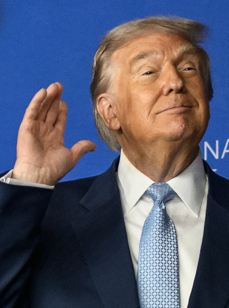
President Donald Trump announced Friday that he will nominate Kevin Warsh to serve as the next chair of the Federal Reserve, replacing Jerome Powell when his term concludes in May.
“I have known Kevin for a long period of time, and have no doubt that he will go down as one of the GREAT Fed Chairmen, maybe the best,” Trump wrote on Truth Social.
Warsh, 55, served on the Federal Reserve Board of Governors from 2006 to 2011, spanning the run-up to and aftermath of the global financial crisis. Analysts say his experience and standing in financial circles could reassure markets despite ongoing tensions between the White House and the central bank.
Market reaction to the nomination has been muted. David Bahnsen, chief investment officer at The Bahnsen Group, said on CNBC’s Squawk Box that Warsh is widely respected. “There was no person who was going to get this job who wasn’t going to be cutting rates in the short term,” Bahnsen said. “However, I believe longer term he will be a credible candidate.”
The selection followed a months-long process overseen by Treasury Secretary Scott Bessent, with finalists including Fed Governor Christopher Waller, BlackRock executive Rick Rieder, and National Economic Council Director Kevin Hassett. Trump later said the candidates “would have been outstanding, and have a great and unlimited future with ‘TRUMP.’”
Rieder congratulated Warsh, calling the process “an incredible honor” and adding, “I congratulate Kevin on his nomination and think he will serve the institution and our nation very well.”
Warsh would take the helm as the Fed confronts persistent inflation above its 2% target and a cooling labor market. Under Powell, the central bank has eased some banking regulations while signaling caution on further rate cuts. Warsh has criticized the current leadership, previously calling for a “regime change” and saying, “The credibility deficit lies with the incumbents that are at the Fed, in my view.”
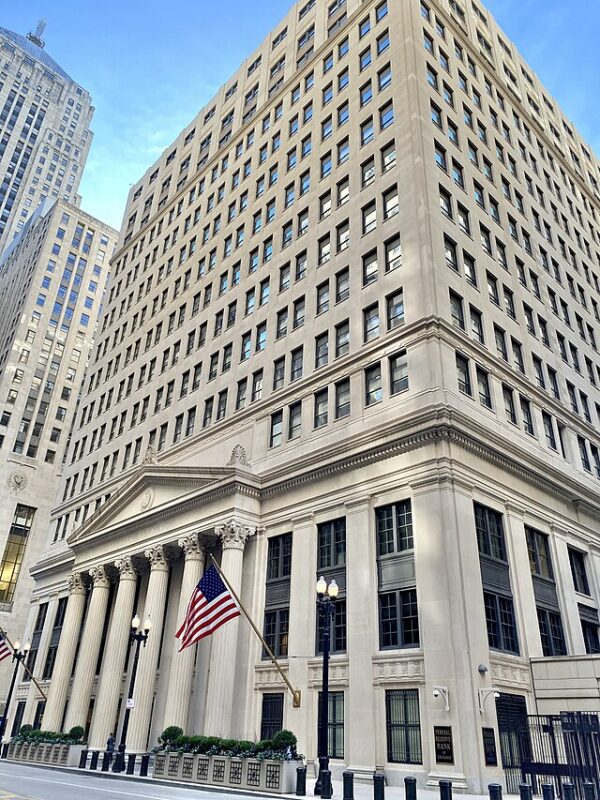
The nomination also revives political friction surrounding the Fed. Trump has repeatedly faulted Powell for not cutting rates aggressively enough, and debate over the Fed’s independence has intensified amid a Justice Department probe into the Fed’s headquarters renovation—an inquiry Powell has labeled a “pretext.”
Confirmation could be contentious. Sen. Thom Tillis said he will block all Fed nominees until the Justice Department investigation concludes, writing on Twitter that he will “oppose the confirmation of any Federal Reserve nominee, including for the position of Chairman,” until the matter is resolved. By contrast, Sen. Tim Scott, chair of the Senate Banking Committee, praised the pick, saying Warsh’s nomination reflects Trump’s focus on “bringing accountability and credibility to the Federal Reserve.”
If confirmed, Warsh would assume the chairmanship in May. Markets currently expect the federal funds rate to settle near 3% this year. Powell, whose term as governor extends two more years, could remain on the board after stepping down as chair.
[Read More: Shutdown Looms As Democrats Demand Less Enforcement Of Immigration Law]