The United States is now reportedly ramping up pressure on Mexico to allow American military forces to take part in joint operations aimed at dismantling fentanyl labs inside Mexican territory, according to U.S. officials familiar with the effort. The renewed push reflects President Donald Trump’s determination to take a more aggressive approach against the drug cartels fueling the fentanyl crisis and smuggling deadly narcotics into the United States.
American officials say the proposal, which would allow U.S. forces to accompany Mexican troops during raids on suspected fentanyl labs, was first raised early last year before being set aside. The idea gained new momentum following the Jan. 3 capture of Venezuelan President Nicolás Maduro by U.S. forces, an operation that reportedly energized discussions at the highest levels of government, including the White House.
Under the proposal, American Special Operations troops or officers from the Central Intelligence Agency would join Mexican soldiers on the ground during antidrug raids. U.S. officials speaking on condition of anonymity said such cooperation would represent a significant expansion of America’s role in Mexico, one that Mexican leaders have so far firmly rejected.
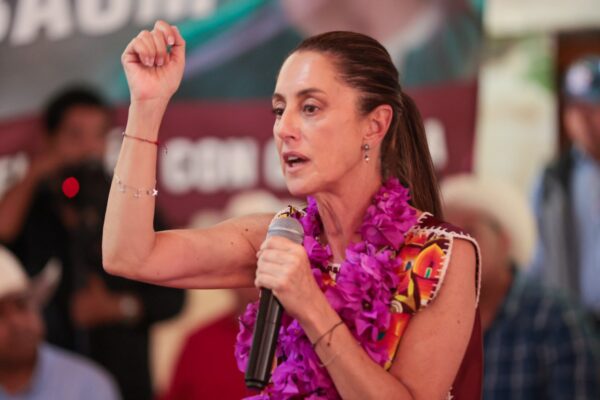
Mexican President Claudia Sheinbaum has repeatedly said her government is willing to cooperate with the United States against drug cartels but will not allow American troops to operate inside Mexico. After a recent phone call with Trump, Sheinbaum said the president “generally insists on the participation of U.S. forces,” but added that Mexico does not believe such measures are necessary. She said the two leaders agreed to continue working together despite their differences.
The White House declined to comment publicly on the negotiations. Trump, however, made his views clear in a recent interview with Fox News, saying that while the United States has largely shut down drug trafficking by sea, more aggressive action is now needed on land, particularly against Mexican cartels.
Mexican officials have responded with counterproposals, including expanded intelligence sharing and a larger U.S. presence within Mexican command centers rather than joint combat operations. American advisers are already embedded in Mexican military command posts, according to U.S. officials, providing intelligence support to aid ongoing antidrug missions.
Behind the scenes, pressure is mounting on Mexican leaders as some American officials push for even more forceful options, including potential drone strikes against fentanyl labs. Such actions would violate Mexican sovereignty and could severely weaken the country’s government, officials acknowledged.
U.S. officials also note that fentanyl labs are notoriously difficult to locate and destroy. Unlike methamphetamine labs, which emit strong chemical signatures and require large spaces, fentanyl is often produced in small, urban settings using rudimentary equipment. That reality has complicated efforts to track and eliminate production sites.
During the Biden administration, the CIA began conducting secret drone flights over Mexico to identify potential fentanyl labs, an effort that has expanded since Trump returned to office. The drones are also used to track precursor chemicals as they arrive at Mexican ports and move inland. That intelligence is then shared with Mexican military units, many of which have been trained by U.S. Special Operations forces, allowing Mexican troops to plan and execute raids.
Under the latest U.S. proposal, Mexican forces would remain in charge of operations, with American personnel providing support, intelligence, and advice on the ground. The Department of Defense said it stands ready to carry out the commander in chief’s orders at any time, while a CIA spokeswoman declined to comment.
The apparent success of the Venezuela operation has emboldened the Trump administration, reinforcing its belief that decisive action can deliver results and intensifying its push for a larger U.S. role in confronting drug cartels closer to home.