Foreign policy analyst Ian Bremmer said Tuesday that U.S. military action against Venezuela now looks “pretty imminent,” pointing to President Donald Trump’s ultimatum to Nicolás Maduro and the significant buildup of American military power surrounding the country. Bremmer shared his assessment in a video posted from Mexico City — closer to what he described as “where the action appears to be heading.”
“President Trump is talking about regime change, giving an ultimatum to dictator Nicolas Maduro — leave with your family to safety, or else you will be removed,” Bremmer said. He emphasized the seriousness of the president’s warning: “You are not going to be putting that kind of military capacity in place… unless you’re planning on using it.”
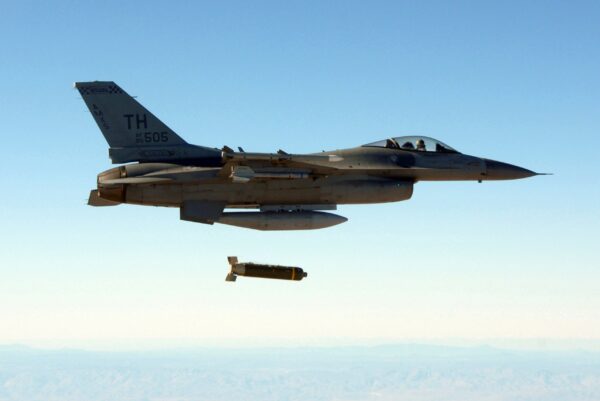
According to Bremmer, the United States now has 15,000 troops positioned around Venezuela and has deployed substantial naval assets offshore. This military posture, he argued, makes it clear that Trump’s threat was not rhetorical.
Bremmer then turned to the motivations behind Trump’s escalating pressure campaign. Contrary to media narratives that frame Trump’s stance around human rights or democratic concerns, Bremmer argued that the president’s focus lies elsewhere.
“It’s certainly not because Maduro is an illegitimate dictator — though that is indeed the case,” Bremmer said. “Trump doesn’t care if you’re a dictator or a Democrat, as long as you’re doing a deal with him.”
Instead, Bremmer said Trump is prioritizing two key issues: drug trafficking into the United States and Venezuela’s vast oil reserves — the largest in the world. “Anyone that comes in on the back of Trump’s military operations is gonna be very interested in cutting a deal to give the United States preferred access to those investments,” he claimed.
He compared Trump’s approach to U.S. negotiations with Ukraine, arguing that the administration seeks strategic resource partnerships — whether critical minerals abroad or energy deals in Venezuela — in exchange for American support.
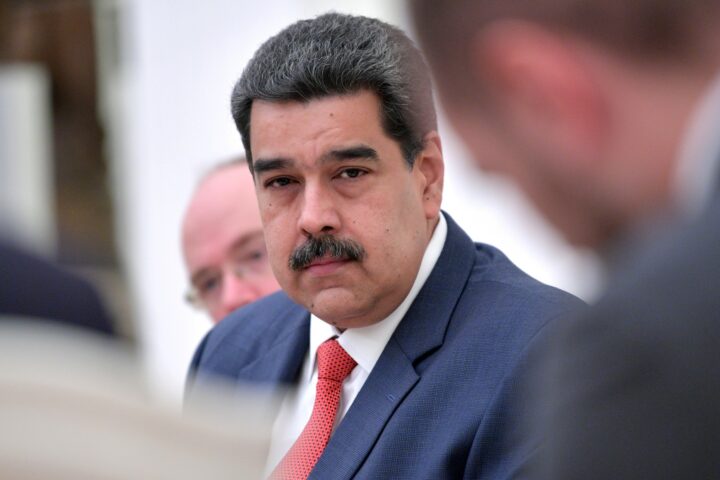
Bremmer also commented on Maduro’s recent public appearances. The Venezuelan leader spoke just hours before Bremmer’s video, surrounded not by military officials but by civilians, women, and children. Bremmer suggested this was a calculated move to insulate himself from potential U.S. action.
“He recognizes there is an imminent danger to him,” Bremmer said. “He’s not going to make it easy for the United States unless the military, under pressure, were to go after him themselves.”
Maduro has consistently rejected the idea of stepping down, even as the Trump administration escalates both military and rhetorical pressure. Trump’s recent declaration that Venezuelan airspace is “closed in its entirety” and his vow to conduct land operations “very soon” mark the most aggressive stance yet in the administration’s anti-narcotics and anti-Maduro campaign.
As tensions rise, Bremmer’s warning underscores what many observers see as an increasingly likely outcome: the United States may soon move from threats to direct action — with the future of Maduro’s regime and the region hanging in the balance.
[READ MORE: Nancy Mace Consultant Quits, Accuses Her of Turning on Trump and Aligning With Rand Paul Wing of GOP]