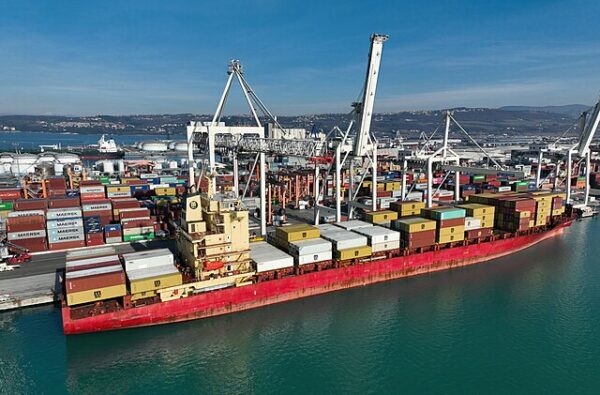
Tensions surrounding the fragile ceasefire between the United States and Iran were on full display Wednesday, as the White House declined to give a direct answer to a critical question: who currently controls the Strait of Hormuz.
During a press briefing, White House Press Secretary Karoline Leavitt avoided directly responding when pressed on the status of the strategic waterway, one of the most vital النفط shipping routes in the world.
The exchange began when NPR’s Mara Liasson referenced statements from Tehran indicating that vessel passage through the strait would be coordinated by Iran’s armed forces following the ceasefire agreement reached Tuesday night.
“As of right today, who controls the Strait of Hormuz?” Liasson asked.
Rather than addressing the question head-on, Leavitt pointed to the timing of Iran’s statements. “Again, these statements were put out 12 hours ago,” she said, adding that the administration expects the strait to reopen immediately.
The response did little to clarify the situation. When Liasson followed up—“But who controls it right now?”—Leavitt again declined to answer directly, instead shifting focus to broader developments.
“We have seen an uptick in traffic in the strait, and it’s something that we are monitoring minute-by-minute, hour-by-hour,” she said before moving on to another reporter.
The moment underscored the lingering uncertainty surrounding the ceasefire and the operational control of a waterway that carries enormous global economic significance. For observers, the lack of a clear answer raised fresh questions about who is effectively managing security and navigation in the region, even as officials project confidence that shipping will resume.
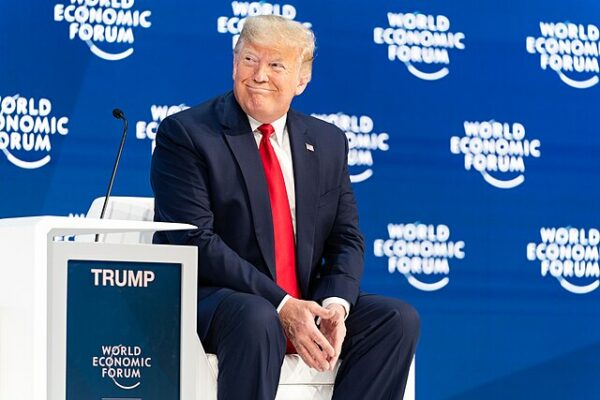
The briefing marked Leavitt’s first appearance since remarks from Donald Trump earlier in the week stirred international reaction. In posts on Truth Social, the president issued sharp warnings aimed at Iran, language that quickly drew attention for its intensity.
Earlier in the same briefing, NBC News correspondent Gabe Gutierrez pressed Leavitt on those comments, asking why it was appropriate for the president to threaten the end of Iranian civilization. The question highlighted a broader concern about rhetoric at a moment when tensions remain high and the consequences of escalation could extend far beyond the region.
Leavitt did not directly engage with that framing during the exchange, instead maintaining the administration’s focus on monitoring developments and supporting the ceasefire arrangement.
The Strait of Hormuz remains a focal point in the ongoing standoff, not only for its strategic importance but also for what it represents: a narrow corridor where geopolitical tensions can quickly spill into global economic disruption. Even with a ceasefire in place, uncertainty over control and coordination suggests that stability is far from guaranteed.
For many Americans watching from afar, the exchange offered a reminder that while military action and strong rhetoric often dominate headlines, clarity and accountability can sometimes be harder to come by. And in situations where the stakes involve both global markets and the potential for further conflict, unanswered questions carry their own weight.
[READ MORE: Trump Floats Unusual Iran ‘Joint Venture’ in Hormuz as Ceasefire Opens Door to Talks]