A person has died after entering a restricted zone near the Kilauea volcano at Hawaiʻi Volcanoes National Park, according to officials with the National Park Service.
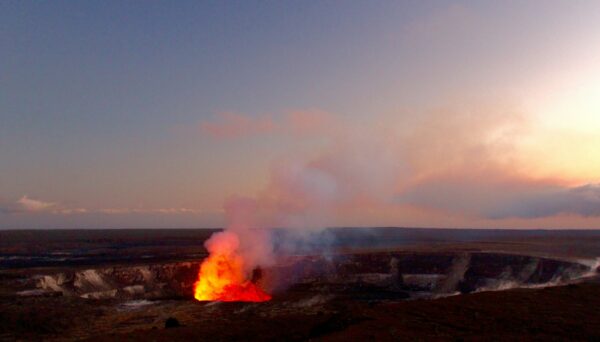
Park authorities responded to the incident on Feb. 26 after receiving reports of an occurrence in a closed area located east of the Kilauea caldera within the national park. Officials said the area had been restricted to the public due to safety concerns.
At the time of the incident, there was no active eruption from the volcano.
Search and rescue crews quickly launched overnight operations in the area, which is known for steep and hazardous terrain. The rugged conditions made the response particularly challenging as teams worked through the night to locate the individual.
Authorities located the person the following day in the restricted zone. The individual was airlifted out of the area and transported to a local medical center. According to the National Park Service, the person was later pronounced dead.
Officials said the individual was a 33-year-old resident of Hawaiʻi. His full identity has not yet been publicly released due to privacy considerations that remain pending.
The circumstances surrounding the incident are still under investigation.
The terrain surrounding the Kilauea caldera is widely known to be dangerous and unstable. According to officials, the landscape includes volcanic features and cliff edges that can pose serious hazards to visitors who venture into restricted areas.
The zone where the incident occurred is closed to the public due to those risks. The U.S. Geological Survey has warned that the region carries the potential for landslides and unstable ground conditions, including cracks that can form due to tremors. These dangers are particularly significant around the crater rim of Halemaʻumaʻu, a well-known feature within the volcanic area.
Officials say those hazards are the primary reason the restricted areas are off-limits to park visitors.
Kilauea itself remains one of the most active volcanoes in the world. The most recent eruption occurred on Feb. 15, 2026, marking the 42nd eruption since Dec. 23, 2024.
During that eruption, the south vent dropped rapidly before jetting back up roughly 30 seconds later, illustrating the unpredictable nature of volcanic activity at the site.
Scientists note that Kilauea’s eruptions often occur sporadically. Activity is frequently broken up by pauses that can last for several days or even longer. At other times, the pauses between eruptions may last only a few hours before activity resumes.
Current projections suggest that the next eruption could occur sometime between March 10 and March 16. However, officials note that volcanic activity can shift unexpectedly, meaning the forecast window could change depending on conditions.
In the wake of the fatal incident, officials are reminding visitors to strictly follow park safety guidelines.
Those guidelines instruct visitors to remain within designated open areas and avoid entering zones that have been closed to the public. Restricted areas are put in place specifically to protect visitors from dangerous terrain and unpredictable volcanic hazards.
Park officials emphasized that these closures are designed to prevent incidents like the one that occurred near the Kilauea caldera. The investigation into the circumstances surrounding the incident remains ongoing.
[READ MORE: Trump Mourns Death Of Lou Holtz]