Virginia’s newly sworn-in governor wasted no time reversing course on immigration enforcement, rolling back a policy that had required cooperation between state law enforcement and federal immigration authorities — a move critics warn will endanger public safety across the commonwealth.
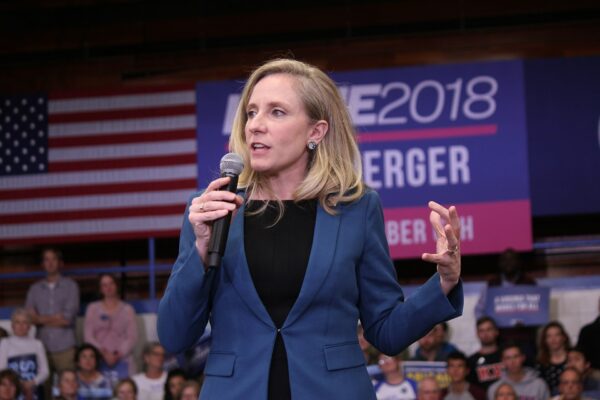
Within hours of taking office Saturday, Democratic Gov. Abigail Spanberger signed Executive Order 10, formally rescinding an order issued by her Republican predecessor that directed Virginia law enforcement agencies to work with Immigration and Customs Enforcement. The decision immediately drew sharp criticism from Republicans and law enforcement advocates who argue the policy reversal will shield criminal illegal migrants and make communities less safe.
Former Virginia Attorney General Jason Miyares condemned the move in stark terms, saying the governor’s action undermines public safety with the stroke of a pen. He warned that ordering local law enforcement to stop cooperating with federal immigration authorities would have serious consequences, predicting increased crime as a result. Miyares said Virginians should not be surprised when preventable violence follows.
The order Spanberger overturned was signed in February 2025 by then-Gov. Glenn Youngkin. Executive Order 47 required state law enforcement and corrections officials to assist ICE and encouraged local jurisdictions across Virginia to cooperate with federal immigration agents during enforcement operations. According to Youngkin’s administration, the policy helped federal authorities take custody of criminal illegal migrants who posed a threat to public safety.
Data provided by Youngkin’s administration to the Daily Caller News Foundation showed that more than 6,200 individuals living in the country illegally were arrested across Virginia between February 2025 and November 2025. Those arrests included members of violent criminal organizations such as MS-13 and Tren de Aragua, as well as other individuals tied to transnational criminal syndicates operating within the state.
Spanberger, a former congresswoman, had pledged on the campaign trail to undo Youngkin’s order, repeatedly arguing that requiring cooperation with ICE wasted valuable resources and distracted local law enforcement from their core duties. That position was reflected in Executive Order 10, where Spanberger stated that public safety in Virginia requires law enforcement to focus on investigating and deterring crime, staffing jails, and engaging with communities.
In the order, Spanberger argued that federal authorities should be responsible for enforcing federal civil immigration laws, while state and local law enforcement should prioritize enforcing Virginia law and coordinating with federal agencies only on criminal matters. Critics counter that the distinction ignores the role immigration enforcement played in removing dangerous offenders from local communities.
Spanberger won the November 2025 gubernatorial election by a comfortable double-digit margin over Republican Lt. Gov. Winsome Earle-Sears, part of a broader Democratic sweep of Virginia’s top statewide offices. With Democrats now controlling the executive branch and both chambers of the state legislature, Spanberger faces few political obstacles as she advances her agenda.
Beyond immigration, the new governor is pursuing a slate of progressive priorities, including restoring voting rights to felons, enshrining constitutional protections for same-sex marriage, and raising the minimum wage. She has also appointed Dr. Sesha Joi Moon as Virginia’s chief diversity officer and director of diversity, equity, and inclusion, an appointment that has drawn attention due to Moon’s past comments appearing to endorse dismantling parts of the Constitution.
For critics of Spanberger’s first major action as governor, the rollback of ICE cooperation sets an alarming tone, signaling a sharp shift away from policies they say prioritized public safety in favor of a more ideological approach to immigration enforcement.