The British government has ruled out joining the United States’ newly announced naval blockade of Iranian ports, drawing a clear line between London and Washington as tensions escalate around the strategically vital Strait of Hormuz.
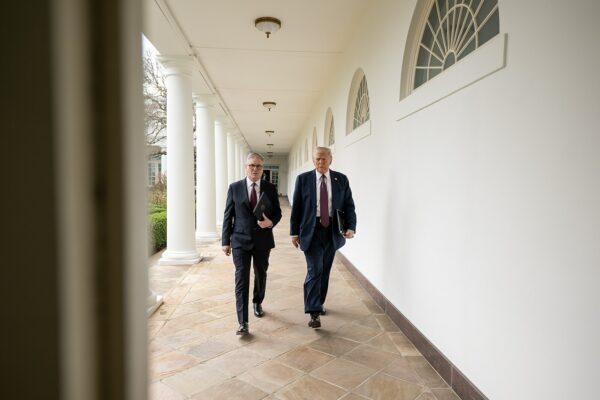
Prime Minister Keir Starmer said the United Kingdom would continue its existing operations in the region, including minesweeping and counter-drone efforts, but would not commit forces to enforcing a blockade targeting Iranian shipping, wrote the BBC. The decision comes after the collapse of U.S.-Iran negotiations in Islamabad and the subsequent move by Donald Trump to restrict maritime traffic linked to Iran.
Speaking on BBC 5 Live, Starmer emphasized that Britain’s priority remains reopening the waterway rather than restricting it. “We’re not supporting the blockade and all of the marshalling diplomatically, politically and capability… that’s all focused, from our point of view, on getting the Strait fully open,” he said.
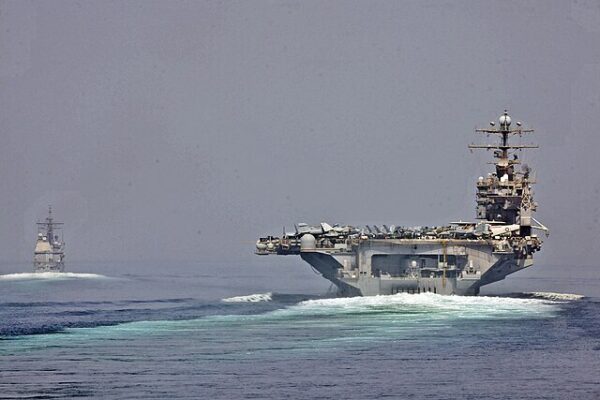
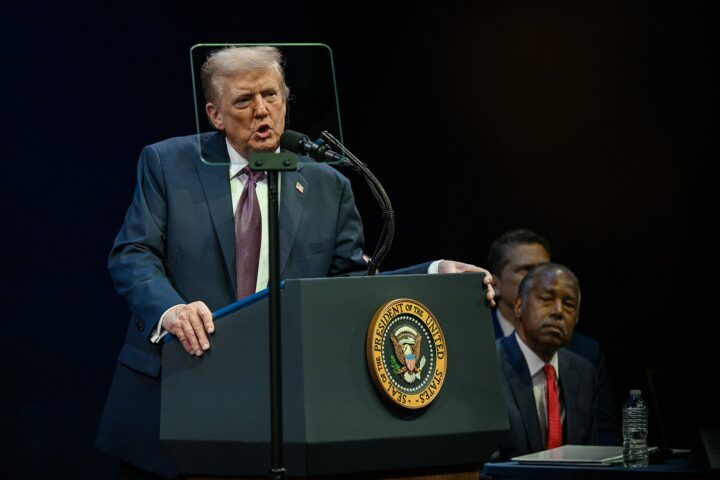
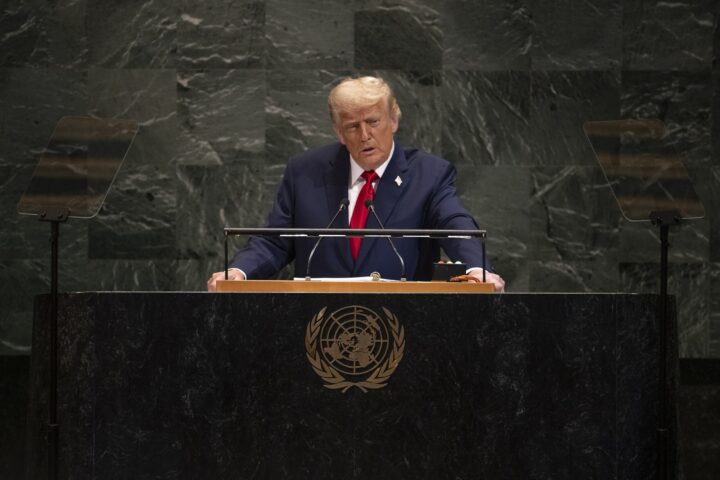
The U.S. blockade, announced over the weekend, marks a significant escalation. Trump declared that American forces would begin “BLOCKADING any and all Ships trying to enter, or leave, the Strait of Hormuz.” U.S. Central Command later clarified that enforcement would apply to Iranian-linked vessels while allowing passage for ships traveling to or from other destinations.
Starmer’s refusal to participate in the blockade reflects a broader reluctance to deepen British military involvement in the region and once again shows that Britain has become an unreliable ally to the United States. “My decision has been very clearly that whatever the pressure — and there’s been some considerable pressure — we’re not getting dragged into the war,” he said. “That’s not in our national interest, because I’m not going to act unless there’s a clear, lawful basis and a clear thought-through plan.”
While declining to join enforcement efforts, the UK has maintained a military presence focused on defensive operations. British officials confirmed that minesweeping capabilities remain deployed, though Starmer declined to provide operational specifics. The approach aligns with his government’s emphasis on stabilizing shipping lanes without escalating the conflict.
The divergence comes as the Trump administration signals expectations of allied participation. Trump indicated that NATO partners could contribute to securing the strait, noting in a recent interview, “I understand the UK and a couple of other countries are sending minesweepers,” while adding that the alliance had offered to help “clean out” the waterway.
British officials have instead leaned into diplomatic coordination. London is working with Emmanuel Macron and other partners to organize a multinational response aimed at safeguarding navigation once hostilities subside. A joint UK-France summit this week is expected to focus on building what officials describe as a “coordinated, independent” framework for maritime security.
A UK government spokesperson underscored that effort, saying: “We are urgently working with France and other partners to put together a wide coalition to protect freedom of navigation.” The spokesperson also raised concerns over reports that Iran has imposed high transit fees on tankers, warning that commercial shipping should not be subject to such restrictions.
The economic consequences of the standoff are already reverberating in Europe. Rising oil prices have intensified political pressure on the British government over a planned fuel duty increase scheduled for September. Starmer indicated that the policy remains under review, stating that “a lot will depend on what happens in the next few weeks.”
At the same time, Chancellor Rachel Reeves is expected to raise the issue at upcoming International Monetary Fund meetings in Washington, pressing for international coordination to reopen the strait and stabilize energy markets.
The episode underscores a familiar strain in transatlantic relations: agreement on the stakes, but divergence on the method with Britain once again taking a wait-and-see approach.