Airspace over Fort Hancock, Texas, was reportedly abruptly shut down Thursday evening after the U.S. military shot down a drone operated by Customs and Border Protection in what lawmakers described as a friendly fire incident.
At approximately 6:30 p.m. local time, the Federal Aviation Administration issued a notice closing the airspace, citing “special security reasons.” According to the FAA’s official notice, the restriction is currently set to remain in place until June 24.
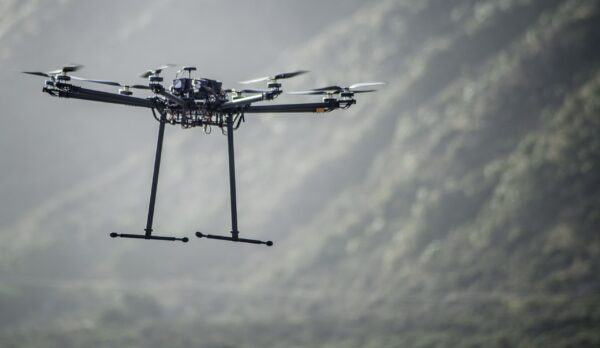
The reason behind the sudden closure soon became clear: the Department of Defense had reportedly used a laser-based anti-drone system to bring down a Customs and Border Protection drone. The system is classified as a counter-unmanned aircraft system, or C-UAS.
Rep. Rick Larsen, D-Wash., the top Democrat on the House Transportation Committee, along with other Democratic members of the panel, said they were briefed on the situation through official channels.
“Our heads are exploding over the news that DoD reportedly shot down a Customs and Border Protection drone using a high risk counter-unmanned aircraft system,” Larsen and the other Democrats said in a joint statement.
They argued that the incident highlights what they view as coordination failures between federal agencies. “We said months ago that the White House’s decision to sidestep a bipartisan, tri-committee bill to appropriately train C-UAS operators and address the lack of coordination between the Pentagon, DHS and the FAA was a short-sighted idea,” the statement read. “Now, we’re seeing the result of its incompetence.”
The FAA confirmed that portions of the airspace over Fort Hancock had already been restricted prior to the incident. However, the no-fly zone was expanded after the military downed the Department of Homeland Security drone.
The episode marks the latest in a series of unexplained or vaguely explained airspace closures in the region. On Feb. 11, the FAA similarly announced the immediate closure of airspace over El Paso, again citing “special security reasons.” At the time, an anonymous Trump administration official told NBC News that “Mexican cartel drones” had breached U.S. airspace. In contrast, CBS News reported that the closure stemmed from “disagreements over drone-related tests.”
Thursday’s incident raises fresh questions about interagency communication and operational safeguards when it comes to counter-drone technology, particularly in sensitive border regions. The use of a laser-based system to shoot down a federal law enforcement drone underscores the complexity of managing unmanned aircraft systems in crowded or strategically important airspace.
For now, the FAA’s expanded airspace restriction remains in effect, with no indication of when normal operations will fully resume. Lawmakers say they will continue seeking answers about how a Department of Defense system ended up targeting a Customs and Border Protection drone and whether additional training or coordination measures are needed to prevent similar incidents in the future.
As the investigation unfolds, the Fort Hancock airspace closure stands as a stark reminder of the challenges facing federal agencies tasked with securing the nation’s skies — and the consequences when coordination appears to break down.