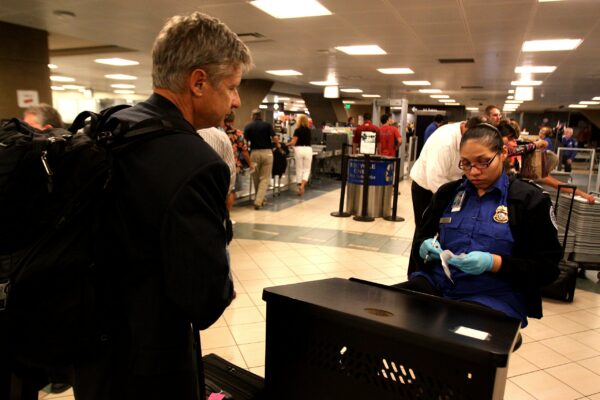
The Transportation Security Administration has been supplying Immigration and Customs Enforcement with the names of airline passengers traveling through U.S. airports, a program that has resulted in arrests and deportations of individuals already ordered removed from the country. According to a report in The New York Times, TSA has been transmitting these passenger lists to ICE several times each week since March, allowing immigration authorities to match travelers against their internal database of individuals with final deportation orders.
While the total number of deportations resulting from the program remains unknown, documents reviewed by The Times confirm that at least two arrests — both involving individuals with outstanding removal orders — were carried out after ICE received TSA-provided travel information.
One such case involved Any Lucía López Belloza, a college student traveling through Boston Logan Airport over Thanksgiving. ICE officers met her at her departure gate, took her into custody, and deported her to Honduras two days later. That action was initiated when ICE’s Pacific Enforcement Response Center in California flagged her travel after receiving data from TSA. The internal note stated the arrest followed a collaboration “with Transportation Security Administration to send actionable leads to the field regarding aliens with a final order of removal that appear to have an impending flight scheduled.”
The same enforcement center used TSA travel details to initiate the October arrest of Marta Brizeyda Renderos Leiva at the Salt Lake City airport.
A former ICE official told The Times that TSA has gone beyond simply sharing names. According to the official, ICE also received photographs of potential targets, as well as flight numbers and departure times — allowing officers to quickly locate individuals attempting to travel through major airports.
Although airlines have long provided passenger data to TSA for security screening, the agency has historically distanced itself from criminal and immigration enforcement to avoid disrupting airport operations. One former TSA official said the agency has been cautious about expanding its role due to concerns that aggressive enforcement at airports could slow security lines, create logistical challenges, and cause anxiety among travelers.
Former ICE official Claire Trickler-McNulty echoed those concerns, noting that stepped-up enforcement inside airports could strain operations and deter individuals uncertain about their immigration status from flying. “It puts more strain on the system,” she said. “Delays and complications may annoy and frighten some travelers, and those who are unsure about their status will move away from air travel. It will continue to reduce the space where people feel safe going about their business.”
The report highlights a quiet but significant shift in cooperation between federal agencies — one that strengthens ICE’s ability to locate and remove individuals who have already received final removal orders. The program also reflects the Trump administration’s broader approach to immigration enforcement: expanding operational reach, increasing coordination among agencies, and ensuring that those ordered removed cannot evade deportation simply by boarding a plane.
As more cases surface, the program is certain to fuel further debate over TSA’s proper role — and whether airport security infrastructure should remain focused solely on preventing terrorism or be fully integrated into immigration enforcement efforts.
[READ MORE: Indiana Lt. Gov. Says Trump Administration Warned State: Pass GOP Map or Lose Federal Funding]