President Donald Trump took aim at French President Emmanuel Macron on Monday night by posting a private text message from the French leader to Truth Social, revealing what appeared to be a striking contrast between Macron’s private tone and his public posture. The move came just an hour after Trump publicly mocked Macron while responding to reporters’ questions at the White House.
In the Truth Social post, Trump shared a screenshot of a message he identified as coming directly from Macron. The text opened on a friendly note, with Macron addressing Trump as “My friend,” and expressing alignment on several major foreign policy issues. Macron wrote that the two leaders were “totally in line on Syria” and suggested they could “do great things on Iran,” signaling cooperation on matters of global security. At the same time, Macron admitted confusion over Trump’s stance on Greenland, writing that he did “not understand what you are doing on Greenland.”
The message went on to propose concrete steps for engagement. Macron suggested organizing a G7 meeting in Paris after the Davos forum, with the possibility of inviting Ukrainians, Danes, Syrians, and Russians on the sidelines. He also extended an invitation for a private dinner in Paris before Trump’s return to the United States. The tone of the message emphasized collaboration and forward momentum, closing with a call to “build great things.”
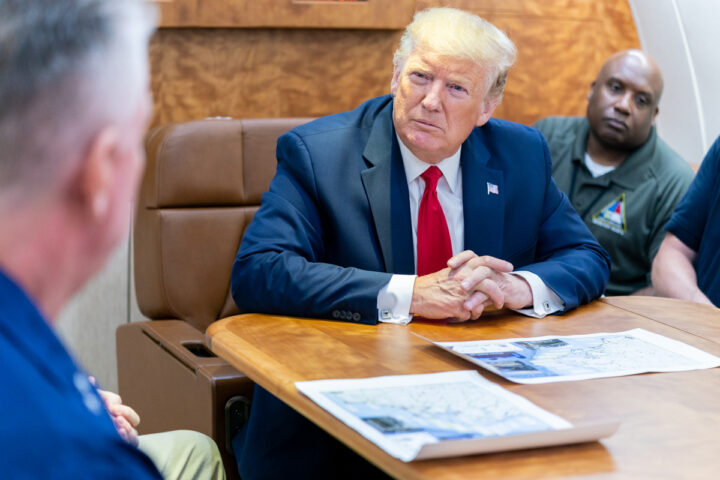
Trump’s decision to make the message public came shortly after he sharply criticized Macron for declining an invitation to join what Trump has described as his “Board of Peace.” When asked by a reporter about Macron’s refusal, Trump responded with characteristic bluntness. He said that “nobody wants him” and predicted that Macron would be “out of office very soon.” Trump added that if Macron or France became hostile, he would consider imposing a 200% tariff on French wines and champagnes, joking that such a move would quickly change Macron’s mind. Trump concluded by saying that Macron did not have to join the board if he did not want to.
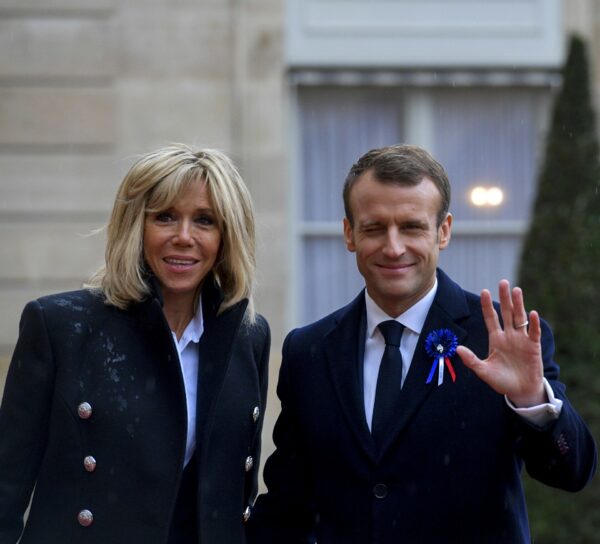
Earlier on Monday, Macron had formally declined the invitation, explaining his objections in a public statement. According to Macron, the Board of Peace’s charter went beyond the framework of Gaza and raised “serious questions,” particularly regarding the principles and structure of the United Nations. Macron argued that those principles could not be called into question, signaling his reluctance to associate himself with the initiative.
The episode highlighted a growing tension between the two leaders, with Trump portraying Macron as saying one thing in private while taking a different stance in public. By releasing the message, Trump appeared intent on showing that, despite Macron’s refusal to join the Board of Peace, the French president had recently expressed alignment and eagerness to cooperate behind closed doors.
For Trump, the post served as both a rebuttal and a political statement, underscoring his willingness to challenge foreign leaders openly and to use unconventional means to make his point. The contrast between Macron’s friendly message and his public rejection of Trump’s initiative added fuel to an already sharp exchange, further illustrating the combative and unapologetic style that has defined Trump’s approach on the world stage.