The Trump administration announced Tuesday that it is moving to end a Medicare premium subsidy program created during the Biden administration, arguing the initiative provided greater benefits to insurance companies than to Medicare enrollees.
Under the decision, Medicare Part D premium subsidies will expire at the end of this year and will no longer be available beginning in 2027.
Medicare Part D is an optional prescription drug program offered through private insurance companies that helps Medicare beneficiaries pay for both brand-name and generic medications. Eligible individuals can purchase it as a stand-alone plan to supplement Original Medicare or receive the coverage through a Medicare Advantage plan that bundles prescription drug benefits with other coverage.
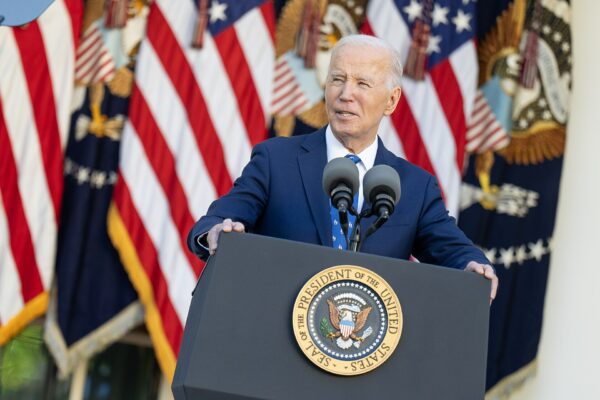
The program underwent significant changes under former President Joe Biden. Those changes included implementing a $2,000 annual cap on out-of-pocket prescription drug costs for Medicare beneficiaries. The restructuring also allowed Medicare to negotiate prices for certain high-cost prescription drugs covered under Part D.
With the premium subsidy program now set to end, many seniors and individuals with disabilities who participated in the program are waiting to learn what their new monthly costs will be.
The Centers for Medicare and Medicaid Services (CMS) said it expects to release updated pricing information in mid- to late September, giving beneficiaries a clearer picture of what they can expect to pay once the subsidies expire.
CMS also announced key figures for the 2027 Medicare Part D program.
According to the agency, the national average monthly bid amount for 2027 will be $296.05. That figure plays an important role in determining the federal government’s direct subsidy payments to insurance plans participating in the Medicare Part D program.
The agency also announced that the base beneficiary premium for 2027 will be $41.33.
According to Reuters, approximately 25 million Americans are enrolled in standalone Medicare Part D prescription drug plans.
CMS Administrator Dr. Mehmet Oz defended the administration’s decision in a post published Tuesday on the social media platform X, arguing that the market has improved to the point that the subsidy program is no longer necessary.
“We are stabilizing the market so this bailout is no longer needed. Premiums will go up by less than $10 for most Medicare recipients, with many even seeing LOWER premiums,” Oz wrote.
He also emphasized that Medicare beneficiaries will continue to have access to affordable prescription drug coverage despite the end of the subsidy program.
“Every Medicare beneficiary still has access to low-cost plans, and we will continue to lower prescription drug prices for every American patient, from more MFN deals to our policy giving seniors access to GLP-1s for $50 a month,” Oz added.
The administration’s announcement marks the end of the Biden-era Medicare Part D premium subsidy initiative after this year. While the subsidy program is set to expire before the 2027 plan year begins, CMS has indicated that additional details on premiums and costs will be released later this year, providing beneficiaries with more information as they prepare to select their prescription drug coverage for the upcoming enrollment period.
[READ MORE: Trump Grows Frustrated as Iran Conflict Drags On, Sources Say]