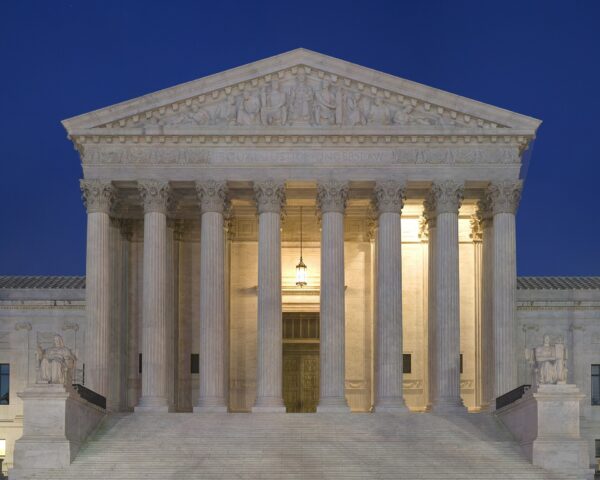
The Supreme Court on Monday declined to hear an appeal from former Trump campaign adviser Carter Page, effectively ending his effort to continue a lawsuit against former FBI Director James Comey and several other former FBI officials over surveillance conducted during the 2016 presidential campaign.
The decision leaves in place lower court rulings that blocked Page’s lawsuit from moving forward, closing another chapter in a years-long legal and political battle tied to the federal government’s investigation of individuals connected to Donald Trump’s first presidential campaign.
Page originally filed suit against Comey and seven other FBI officials, including former Deputy Director Andrew McCabe, after a Justice Department inspector general identified numerous problems with the FBI’s application to obtain surveillance warrants targeting him.
The controversy surrounding the warrants has remained a point of contention for years, particularly among critics who argued that serious errors in the process undermined confidence in the government’s handling of the investigation.
In April, the Trump administration agreed to settle a separate, long-running lawsuit brought by Page. Under that agreement, Page received $1.25 million. He had originally sought $75 million in damages.
While that settlement resolved one portion of the legal dispute, it did not address Page’s claims against the individual officials he named in the lawsuit. Those claims were filed against the former FBI personnel in their personal capacities, allowing Page to continue pursuing legal action separate from the settlement reached with the government.
At the center of the dispute were findings by a Justice Department watchdog that identified multiple issues with the FBI’s application process for obtaining authority to surveil Page. The inspector general’s review drew widespread attention and scrutiny because the warrants were used during a politically charged period involving a presidential campaign.
One of the individuals named in Page’s lawsuit was former FBI attorney Kevin Clinesmith. In 2020, Clinesmith pleaded guilty to altering an email while seeking to secure a surveillance warrant. That admission became one of the most notable developments stemming from reviews of the FBI’s conduct during the investigation.
Despite those findings, Page ultimately faced significant legal hurdles in keeping his case alive.
Federal courts ruled that he waited too long to bring the lawsuit, a conclusion that proved decisive. A federal district judge first determined that the claims were filed outside the applicable legal time limits. An appeals court later upheld that ruling, leaving Page with one final option: asking the Supreme Court to intervene.
On Monday, the justices declined to take up the case.
The Supreme Court did not provide an explanation for its decision, a common practice when the justices refuse to hear appeals. As a result, the lower court rulings remain intact, and Page’s effort to pursue claims against Comey, McCabe, Clinesmith, and the other former FBI officials has effectively come to an end.
The ruling marks the latest development in a saga that has drawn attention from lawmakers, investigators, and the public for years. Questions surrounding government surveillance powers, accountability within federal law enforcement agencies, and the handling of politically sensitive investigations have continued to resonate long after the events of the 2016 campaign.
With the Supreme Court declining review, however, Page’s legal options in this particular case appear exhausted, bringing a formal end to his attempt to continue litigation against the former officials involved in the surveillance process.
[READ MORE: Trump Enemies Targeting His Age]