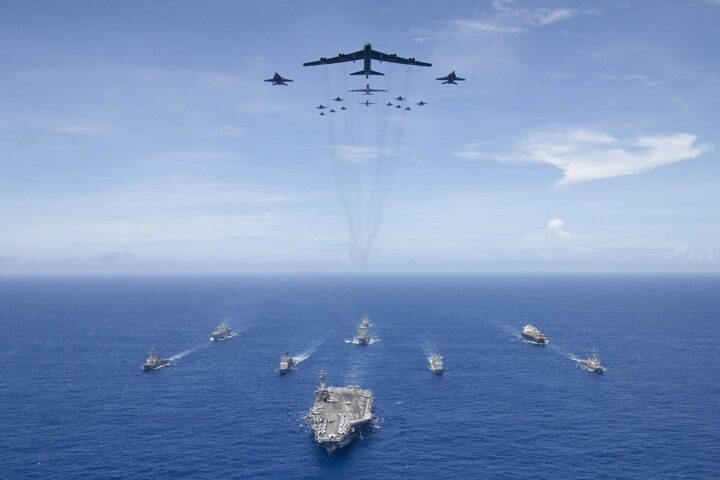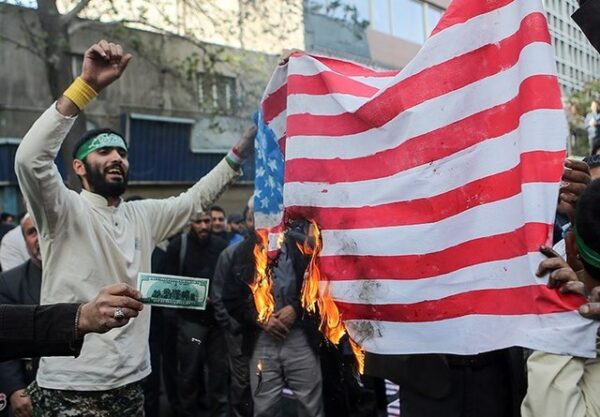
As the conflict involving Iran approaches the one-month mark, the U.S. government is urging Americans to stay alert abroad, issuing a sweeping “worldwide caution” advisory that underscores growing concerns about instability and its ripple effects far beyond the immediate region.
In a security alert released Sunday, the State Department advised Americans across the globe—particularly those in the Middle East—to exercise heightened caution and remain closely attuned to updates from U.S. embassies and consulates.
“The Department of State advises Americans worldwide, and especially in the Middle East, to exercise increased caution,” the alert stated. “Americans abroad should follow the guidance in security alerts issued by the nearest U.S. embassy or consulate.”
Officials also warned of practical disruptions that could complicate travel plans, noting that periodic airspace closures may occur as tensions continue. In addition, the department acknowledged that U.S. diplomatic facilities have been targeted—not only in the Middle East but in other regions as well—highlighting the broader reach of the conflict’s consequences.
The warning comes after a significant effort earlier this month to bring Americans home from affected areas. According to the State Department, more than 43,000 U.S. citizens have safely returned from the Middle East since the United States and Israel began striking Iran late last month. That figure reflects both the scale of American presence in the region and the urgency felt by officials as conditions evolved rapidly.
At the same time, the administration has moved to strengthen security at its global diplomatic footprint. Last week, all U.S. embassies and consular posts were instructed to immediately review their security procedures. The directive followed retaliatory attacks on embassies in the Middle East and concerns that the conflict could spill over into other regions.
Cables cited by multiple reports, including NBC News, indicated that Undersecretary of Management Jason Evans urged embassies to carry out these reviews in light of the “ongoing and developing situation in the Middle East and the potential for spillover effects.” The message was clear: what begins in one region does not necessarily stay there.
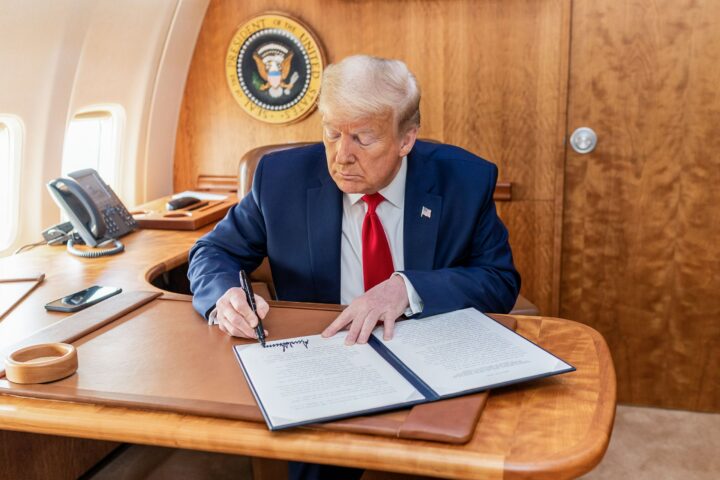
Even as cautionary measures expand, there are signs—at least diplomatically—of a possible shift. On Monday, President Donald Trump announced a five-day pause in U.S. strikes on Iranian energy infrastructure, describing recent talks with Iranian leaders as “very good” and “productive.” The pause suggests a window, however narrow, for negotiations to take hold after weeks of escalating military activity.
Israeli Prime Minister Benjamin Netanyahu echoed that sentiment, saying he had spoken with Trump and that the U.S. president sees an opportunity to build on recent developments. In a post shared Monday afternoon, Netanyahu said Trump believes there is a chance to leverage what he described as “tremendous achievements” alongside the U.S. military to reach an agreement that protects key interests.
Still, the juxtaposition is striking. While officials speak of progress and potential deals, the State Department’s global warning serves as a reminder that conflicts rarely remain contained—and that the costs are often felt not just on the battlefield, but in disrupted travel, heightened risks, and an increasingly uncertain international landscape.
For American travelers, the message is straightforward: stay informed, remain cautious, and recognize that even distant conflicts can have immediate and far-reaching consequences.
[READ MORE: California Sues To Stop Oil Pipeline]