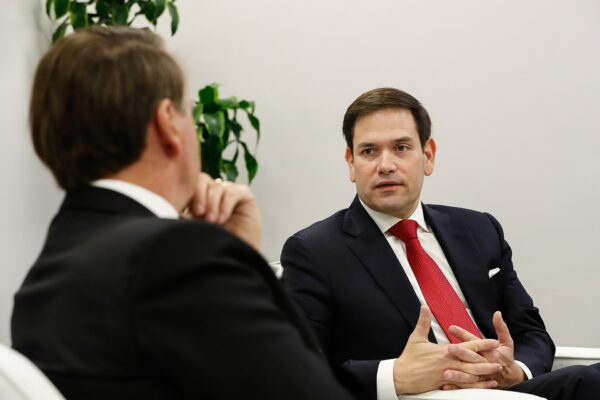
Secretary of State Marco Rubio pushed back on concerns that Iran’s actions in the Strait of Hormuz pose a direct threat to the United States, arguing instead that the burden of the الأزمة will fall far more heavily on America’s allies and the broader international community.
Appearing on Fox News with Sean Hannity, Rubio addressed growing tensions in the vital shipping corridor as the Iran conflict continues. The discussion comes as President Donald Trump signaled that U.S. involvement in the conflict could wind down within weeks, raising questions about what conditions, if any, would be required for an American exit.
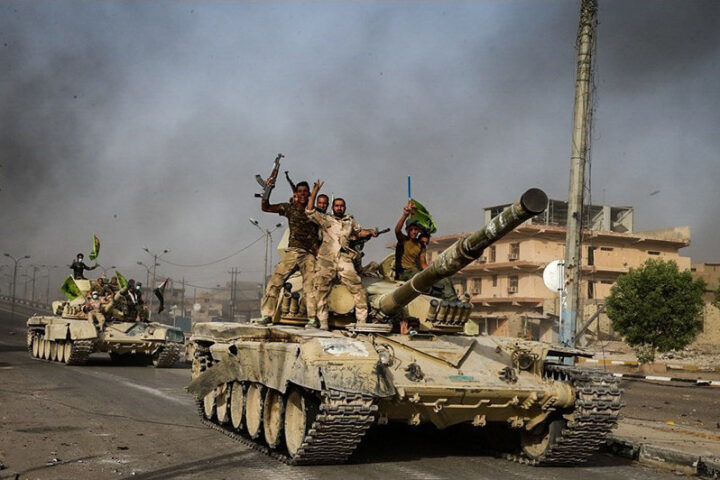
Hannity asked whether keeping the Strait of Hormuz open — a critical artery through which roughly 20% of the world’s oil supply flows — would be a prerequisite for the United States to leave Iran. The question reflects mounting concern as Iran has reportedly attacked cargo vessels and imposed tolls on ships attempting to pass through the strait following U.S. and Israeli strikes.
Rubio did not minimize the seriousness of Iran’s actions but made clear that, from Washington’s perspective, the issue is not primarily about American energy needs.
“Well, the Strait of Hormuz, those are international waters,” Rubio said, emphasizing that any attempt by Iran to restrict passage would violate maritime law. He added that targeting commercial shipping is not only illegal but echoes some of the darkest tactics of past conflicts, describing such actions as “terroristic.”
Still, Rubio underscored that the United States itself depends very little on oil moving through the strait. Instead, he pointed to key allies — particularly Gulf nations, as well as countries in Asia and Europe — as those most exposed to disruptions in the region.
“Our allies ship a lot of oil through there,” Rubio noted, framing the situation as a global challenge rather than a uniquely American one.
That distinction carries significant implications. While the Biden-era consensus often leaned toward broad U.S. responsibility for securing global trade routes, Rubio’s remarks suggest a more restrained posture, one that expects other nations to take a more active role when their own economic lifelines are at stake.
“If, in fact, Iran decides to set up a toll… this is a problem for the world,” Rubio said, adding that countries affected should be “stepping up and dealing with that.”
The backdrop to these comments is a surge in energy prices at home. The Iran conflict has driven gas prices above $4 per gallon nationally for the first time since 2022, a development that has put pressure on American consumers. Trump has argued that prices will fall once U.S. forces withdraw from Iran, linking domestic economic relief to a swift end to the conflict.
Earlier Tuesday, Trump appeared to dismiss concerns about the strait reopening altogether.
“I don’t think about it, to be honest,” he said. “My sole function was to make sure that they don’t have a nuclear weapon.”
“They’re not going to have a nuclear weapon,” Trump added. “When we leave, the strait will automatically open.”
Taken together, the administration’s message reflects a balancing act: projecting strength abroad while signaling a desire to avoid prolonged entanglement. Rubio’s comments reinforce that approach, suggesting that while Iran’s actions may be dangerous and unlawful, the responsibility for confronting them may not rest solely — or even primarily — with the United States.