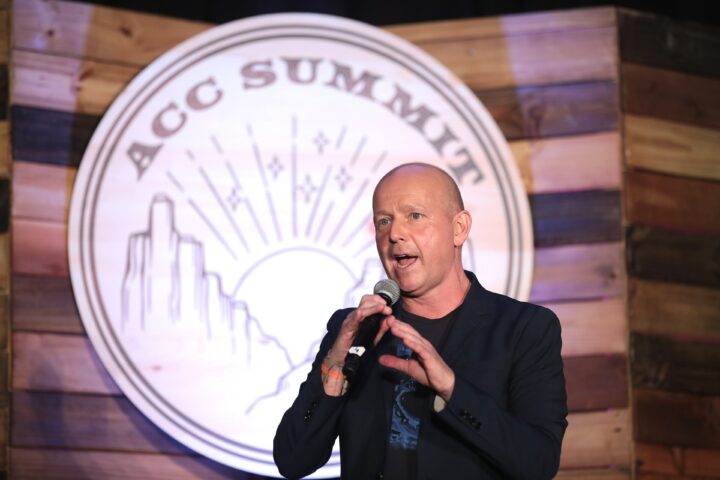
A social media post by best-selling author and investigative reporter Seth Harp was reportedly blocked on X after he publicly shared identifying information about a U.S. Delta Force commander involved in the operation that led to the capture of Venezuelan strongman Nicolás Maduro.
The controversy erupted Sunday after Harp posted what critics described as doxxing content, identifying the current commander of Delta Force and accusing him of participating in what Harp called the “kidnapping” of Maduro. The operation in question was a U.S. military raid that resulted in Maduro’s arrest and transfer to the United States, an action the Trump administration has defended as lawful and necessary.
Harp’s post immediately drew intense backlash from users across the platform, many of whom accused him of recklessly endangering the life of an active-duty military officer. Commenters warned that publishing personal information about a special operations commander could put a target on the individual and potentially expose him and his family to retaliation.
In his post, Harp wrote that the Delta Force commander’s “men just invaded a sovereign country, killed a bunch of innocent people, and kidnapped the rightful president.” He also attempted to preempt criticism by adding a disclaimer, stating that it is “perfectly legal for a U.S. reporter to disclose classified material the leakage of which I did not procure.” Alongside the text, Harp included a screenshot containing personal details about the commander.
As criticism mounted, Harp took the step of “protecting” his account, limiting access to his posts so that only approved followers could view them. That move did little to calm the backlash, as screenshots of the original post continued circulating and users continued to call for action from the platform.
Within a few hours, X intervened. The post was rendered unavailable, and users attempting to view it were met with a notice stating, “This Post violated the X Rules.” By Monday morning, Harp had deleted the post entirely.
The incident reignited debate over the responsibilities of journalists on social media, particularly when it comes to national security and the safety of U.S. service members. Critics argued that regardless of one’s views on the Venezuela operation, publishing identifying information about a Delta Force commander crossed a clear ethical line.
Supporters of the military action said Harp’s framing of Maduro as the “rightful president” ignored U.S. government findings that labeled Maduro an illegitimate leader and charged him with serious crimes, including narco-terrorism. They also pushed back on Harp’s suggestion that the raid constituted an unlawful invasion, pointing to the administration’s public justification for the operation.
The swift removal of the post highlighted X’s enforcement of its rules against sharing private or identifying information that could lead to harassment or harm. The platform has faced criticism from all sides over content moderation decisions, but in this case acted quickly after users raised alarms about the potential danger.
While Harp has not publicly commented further since deleting the post, the episode underscored the volatile intersection of journalism, social media, and national security in a moment of heightened global tensions. For many observers, it served as a reminder that even prominent reporters can face consequences when online activism crosses into territory that risks the safety of those serving on the front lines.
[READ MORE: Trump Escalates Foreign Policy Rhetoric]