The report, published Monday by The Free Press, detailed what it described as a rocky relationship between President Donald Trump’s White House and Pope Leo XIV, the first U.S.-born pontiff. According to the account, tensions escalated following a recent speech by the Pope that included indirect criticisms of the administration.
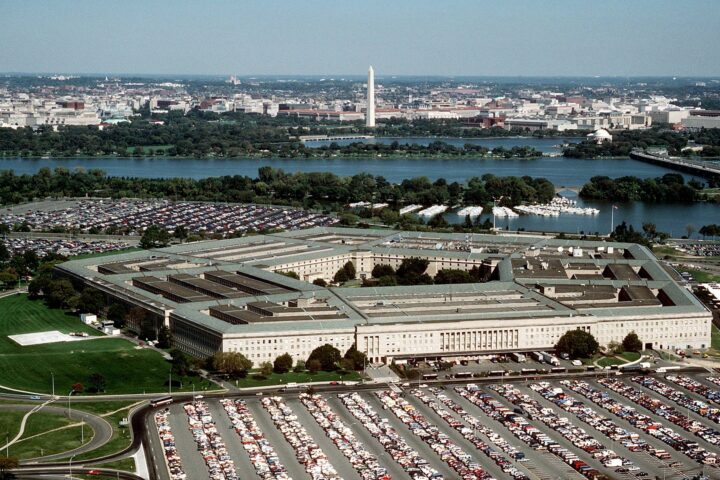
In response, the Pentagon reportedly invited the Holy See’s ambassador to the United States, Cardinal Christophe Pierre, to a meeting. During that discussion, U.S. officials were said to have voiced objections to the Pope’s remarks and taken issue with what they viewed as pointed critiques of the president.
One particularly striking element of the report involved a reference to the Avignon Papacy—a historical episode often associated with political pressure exerted by secular rulers over the Catholic Church. According to the report, that reference was interpreted by some as carrying significant symbolic weight, particularly given the sensitive nature of relations between political and religious authorities.
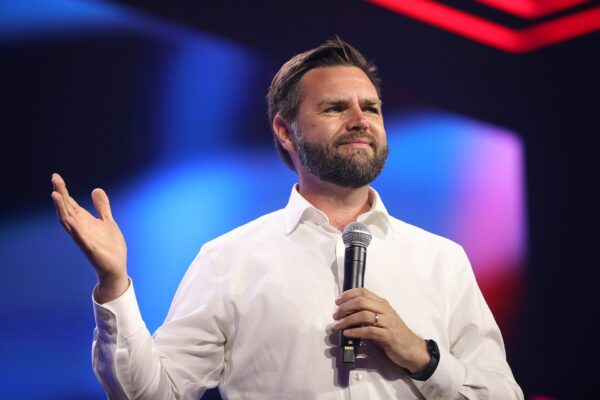
While speaking to reporters in Budapest, Vance was asked directly whether the report was accurate. His initial response suggested unfamiliarity with the details, including a momentary lapse in recognizing Cardinal Pierre by name. After clarification, the vice president acknowledged he had met the ambassador but emphasized that he had not reviewed the reporting in question.
“I’ve never seen this reporting,” Vance said, adding that he would prefer to speak directly with both Cardinal Pierre and relevant U.S. officials before drawing any conclusions. He cautioned against reacting to unverified claims, stating that it is “always a bad idea to offer an opinion on stories that are unconfirmed and uncorroborated.”
Vance’s response reflects a broader reluctance to inflame an already delicate situation without firm evidence—an approach that stands in contrast to the charged nature of the allegations themselves. At a time when rhetoric can quickly escalate tensions, particularly on the global stage, the vice president’s insistence on confirming the facts before commenting signals a degree of prudence that is often in short supply.
Adding another layer to the controversy, independent reporter Christopher Hale later reported that the Vatican interpreted the mention of the Avignon Papacy as a threat. If accurate, such a perception would underscore just how easily historical references can take on modern geopolitical significance, especially in conversations involving powerful institutions.
The episode, as described, highlights the fragile balance between political authority and religious leadership. It also serves as a reminder that even rhetorical gestures—whether intentional or not—can reverberate far beyond the room in which they are made.
As questions linger, Vance’s call for verification over speculation may offer a brief pause in an otherwise heated narrative. In an era where both words and actions carry immense weight, careful deliberation may prove to be not just wise, but necessary
[READ MORE: Army Secretary Driscoll Dismisses Exit Rumors Amid Reported Pentagon Tensions]