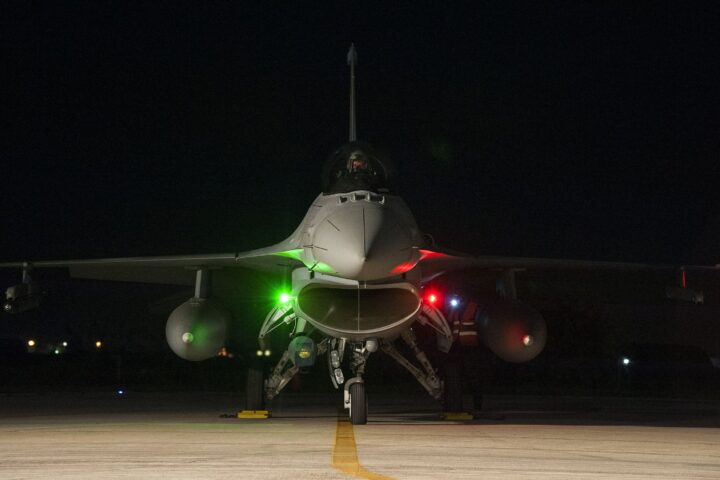
Sen. Rand Paul is openly blaming a fellow Republican for what he views as a dramatic shift in President Donald Trump’s foreign policy, accusing Sen. Lindsey Graham of pushing the president toward the surprise mission that sent U.S. special operators into Caracas to seize Venezuelan strongman Nicolás Maduro.
Speaking to reporters Monday, Paul said the operation marked a sharp break from Trump’s long-stated opposition to regime change and nation-building, arguing that Graham’s influence played a decisive role in reversing the president’s instincts.
“This is Lindsey Graham,” Paul said flatly. He noted that Trump has repeatedly warned against regime change, pointing to what Paul described as “20 clips” of the president explaining how such interventions usually end in failure. “Somehow they’ve convinced him it’s different if it’s in our hemisphere,” Paul said, clearly frustrated by what he sees as hawkish voices gaining the upper hand on Venezuela policy.
Paul’s comments highlight a growing divide inside the Republican Party between America First conservatives and intervention-minded lawmakers who believe decisive action abroad is necessary to confront hostile regimes.
Graham has made no secret of his desire to see Maduro removed. Just last month, the South Carolina senator publicly expressed frustration after Secretary of Defense Pete Hegseth and Secretary of State Marco Rubio told senators in a classified briefing that regime change in Venezuela was not an option under consideration.
“I want to know what’s going to happen next,” Graham said after that briefing. “Is it the policy to take Maduro down? It should be, if it’s not.” He also pressed the administration for clarity on what would follow Maduro’s removal, saying he wanted a better answer about what happens once the Venezuelan leader is gone.
After the U.S. operation that resulted in Maduro’s capture, Graham escalated his rhetoric even further, turning his attention to Cuba. Responding to the news Saturday, Graham posted a blunt message on social media: “Free Cuba.” He added that with Maduro’s capture, what he called a “drug caliphate” was moving toward collapse.
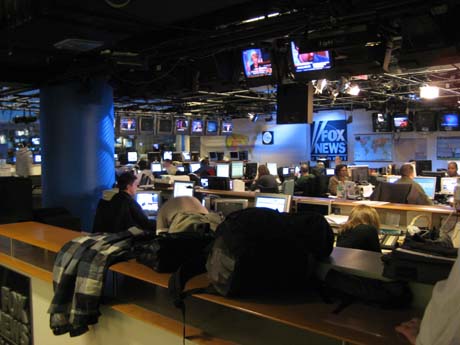
Graham later told Fox News’ “Sunday Night in America” that Cuba’s communist regime is next, predicting that President Miguel Díaz-Canel will not survive the fallout from Maduro’s downfall. “There’s no way that the communist dictatorship in Cuba survives after the takedown of Maduro,” Graham said. “It is over, it’s just a matter of time.”
That kind of talk has alarmed some of Trump’s most loyal MAGA allies, who say the president was elected to put America first, not to embark on new foreign entanglements. Former Rep. Marjorie Taylor Greene voiced her disappointment, arguing that voters supported Trump because they believed he would prioritize domestic concerns.
She said Venezuela does not represent an immediate threat that justifies U.S. intervention. “Our neighborhood is right here in the 50 United States, not in the Southern Hemisphere,” Greene said.
The debate underscores a critical tension within the Republican Party as Trump navigates his second term. For lawmakers like Paul, the Venezuela operation raises red flags about a return to interventionism. For Graham and other hawks, it represents a long-overdue show of strength. As Trump balances these competing pressures, the future direction of U.S. foreign policy remains a point of intense internal dispute.