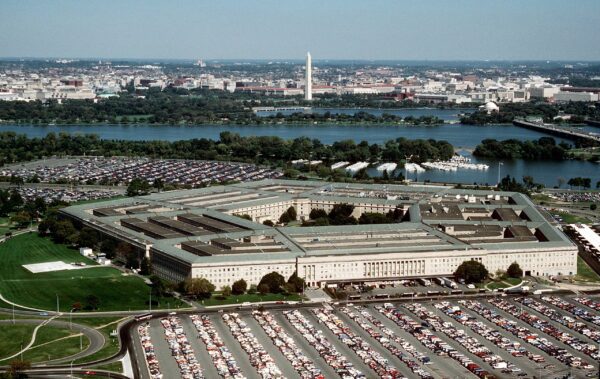
A high-profile Pentagon press briefing scheduled for early Tuesday morning was abruptly canceled, raising fresh questions as tensions with Iran continue to escalate and a critical deadline set by Donald Trump draws near.
The briefing, originally set for 8 a.m., was expected to feature Defense Secretary Pete Hegseth alongside Joint Chiefs of Staff Chairman Dan Caine. It was slated to occur just hours before the administration’s ultimatum to Iran to reopen the Strait of Hormuz or face significant military consequences.
No official explanation was given for the cancellation, leaving a noticeable gap at a moment when clarity from military leadership might have reassured both the American public and global markets.
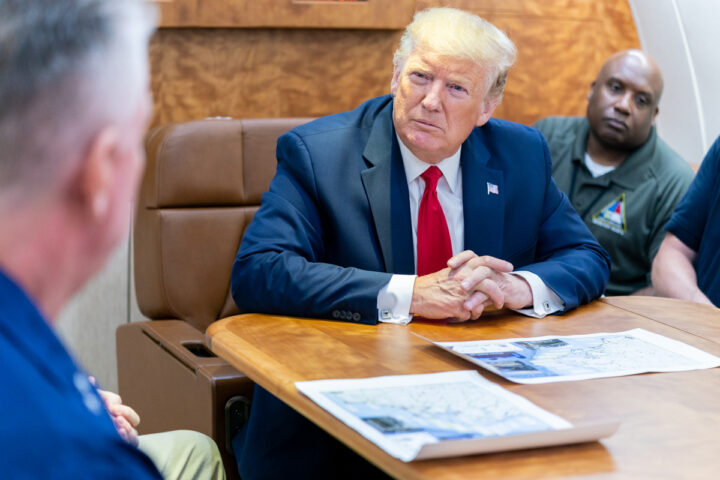
The missed briefing comes amid increasingly heated rhetoric from the president. In a weekend post on Truth Social, Trump issued a stark warning to Iran, declaring that Tuesday would be “Power Plant Day, and Bridge Day,” signaling potential strikes on key infrastructure. He demanded that Iran reopen the vital shipping lane immediately, using blunt language and promising severe consequences if his demands were not met.
The Strait of Hormuz, one of the world’s most important energy corridors, has been at the center of the standoff. Iran’s restrictions on traffic through the passage have disrupted global oil flows, sending gas prices higher and contributing to broader economic strain. Over the past six weeks, as conflict has intensified, Americans have felt the impact directly at the pump and through rising costs tied to energy markets.
Earlier Monday, Trump appeared at the White House alongside Hegseth and Caine, where the administration highlighted ongoing military operations and the successful rescue of an American airman. The pilot had ejected from a fighter jet over Iran and was recovered in a mission carried out Sunday, underscoring both the risks and capabilities involved in the unfolding conflict.
Still, despite the show of coordination and strength, key questions remain unanswered. The president stopped short of outlining a definitive course of action should Iran fail to comply with the deadline. Instead, he floated a scenario involving sweeping destruction of Iranian infrastructure, describing a plan in which bridges and power plants across the country would be “decimated” within hours.
Such statements reflect a hardline posture that has become a defining feature of the current approach. Yet they also highlight the weight of the decision ahead, as military escalation carries consequences not only abroad but at home, where economic pressures are already mounting.
The cancellation of the Pentagon briefing only adds to the uncertainty, leaving observers to wonder whether strategy is still being finalized behind closed doors or if divisions remain over how best to proceed. At a moment when both markets and citizens are looking for steady leadership, the absence of clear communication stands out.
As the deadline approaches, the world watches closely. The stakes are not only geopolitical but deeply practical, affecting energy supplies, global stability, and the lives of those directly involved in the conflict.
[READ MORE: Allies Raise Alarm as Trump’s Iran Rhetoric Sparks Fierce Debate]