An anticipated state visit by King Charles III to the United States is facing new uncertainty as tensions rise between President Donald Trump and British Prime Minister Keir Starmer over Britain’s limited role in the ongoing U.S.-led conflict with Iran.
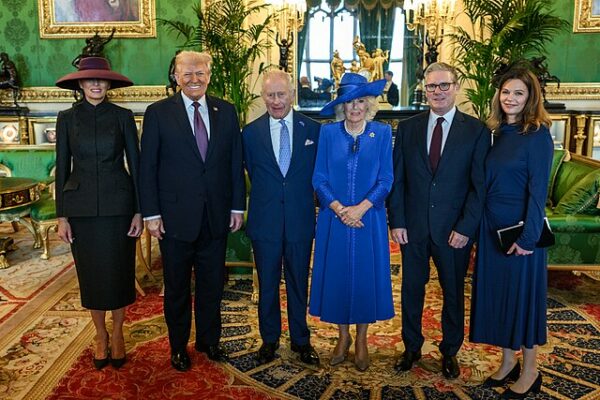
The visit—expected but not formally confirmed by Buckingham Palace or Downing Street—has been widely anticipated for April, aligning with events marking the 250th anniversary of American independence. It would follow Trump’s second state visit to Britain in September 2025, when he was hosted by the king at Windsor.
The diplomatic strain centers on Britain’s early decision to decline a U.S. request to use its military bases for operations against Iran. Starmer’s government argued the move was necessary to avoid breaching international law. Britain later provided defensive support after Iranian retaliation targeted its assets in the Middle East, but the initial refusal drew sustained criticism from Trump.
BREAKING: President Trump says Britain used to be "the Rolls Royce of allies" but he's "very disappointed" Keir Starmer didn't do more to help in the Middle East
— Eyal Yakoby (@EYakoby) March 16, 2026
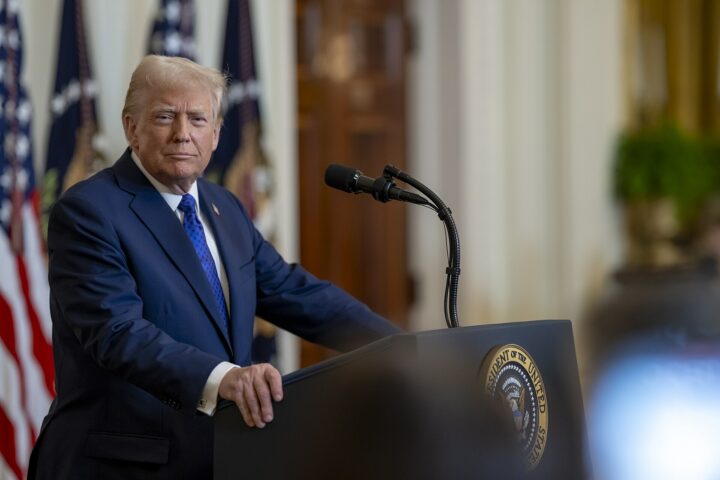
In recent weeks, the president has repeatedly questioned Britain’s commitment to the alliance, noted CNN. On March 3, Trump said, “This is not Winston Churchill we’re dealing with.” He later described Britain’s hesitation to deploy warships for de-mining operations in the Strait of Hormuz as “terrible,” recounting a conversation in which he urged Starmer to act unilaterally: “You don’t have to worry about a team… you’re the prime minister; you can make a decision… It’s very disappointing.” Trump also suggested Britain was no longer “the Rolls-Royce of allies” and dismissed late-stage support, stating, “We don’t need people that join Wars after we’ve already won!”
The remarks have triggered concern in London about the optics of proceeding with a high-profile royal visit amid such public friction. Emily Thornberry, a Labour MP and chair of the foreign affairs committee, said the timing should be reconsidered. “The last thing that we want to do is have His Majesty… embarrassed,” she said on the BBC’s Today program. “I think it needs to be thought through very carefully as to whether or not it’s appropriate to go ahead now.” She added, “I suspect it would be safer to delay it.”
Former British ambassador to Washington Peter Westmacott said Starmer’s strategy of managing the relationship through private diplomacy has not always been effective. “Starmer has spent 18 months trying to manage the relationship by not rising to the bait and dealing in private,” Westmacott said. “He doesn’t have a huge ego himself… He tries to use calm and reason and arguments that will appeal to Trump. But it clearly doesn’t always work, and you never know what he will say the next day.” He noted that postponing the visit could become a practical option if both governments see it as mutually beneficial.
Despite the criticism directed at Starmer, Trump has spoken favorably about the king. At a White House news conference on Monday, he said, “We have, as an example, the King of the UK – I would say King of England – who is a great guy. He’s coming in very soon.” The following day, during a meeting with Irish Taoiseach Micheál Martin, Trump said Charles would visit “very shortly.”
A Downing Street spokesperson declined to comment on the visit when asked Tuesday, saying only that details “haven’t yet been confirmed.”
The debate reflects broader strains in the U.S.-UK relationship as the Iran conflict continues. Political positions in Britain have shifted as the war has grown more controversial. Reform UK leader Nigel Farage, who initially called for full British participation, now opposes involvement in “another foreign war.” Conservative leader Kemi Badenoch, while critical of Starmer, defended him against Trump’s comments, calling them “very childish” and “unseemly,” adding, “I’m Keir Starmer’s biggest critic. He’s done a lot of things wrong… But I also think the words that were coming out of the White House were wrong… it’s just unseemly.”
For now, the proposed visit remains unconfirmed, with both governments weighing the diplomatic risks against the symbolic importance of the occasion.