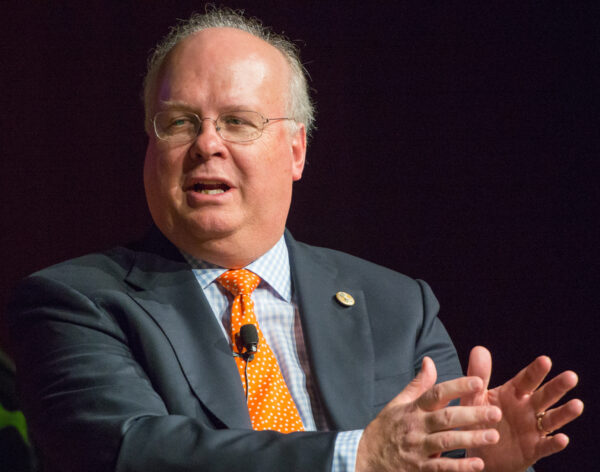
Veteran Republican strategist Karl Rove took stock of the past year in a new Wall Street Journal column, arguing that while 2025 was far from America’s worst, it revealed a troubling and “dangerous” undercurrent running through the country’s politics and culture.
Rove opened by rejecting the idea that 2025 belongs anywhere near the darkest chapters of U.S. history. Writing in the Wall Street Journal, the longtime GOP operative pointed to several positive developments, including progress on immigration, crime, economic performance, and aspects of foreign policy. By those measures, Rove argued, the year offered more reasons for optimism than despair.
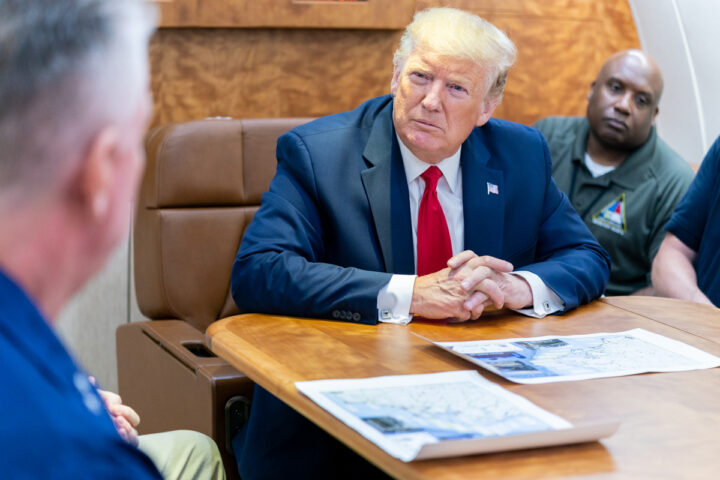
Still, Rove cautioned that the broader political mood tells a more complicated story. He took aim at Donald Trump, suggesting that many Americans are growing weary of the president’s rhetoric. According to Rove, voters may increasingly tune out policy accomplishments and instead focus on comments they perceive as offensive or cruel.
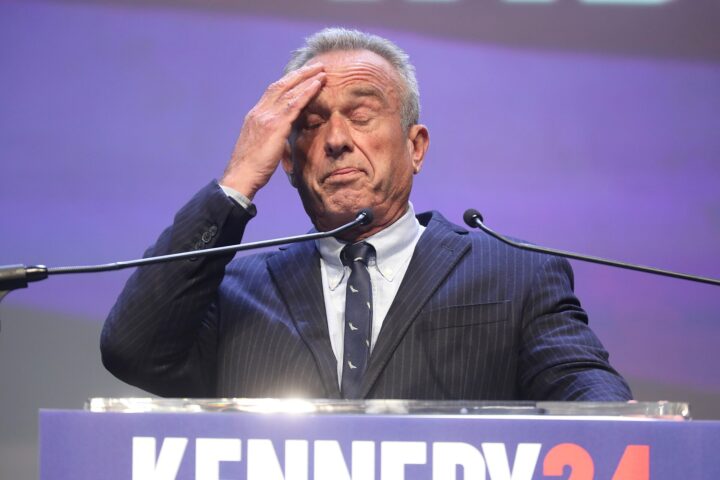
Beyond personalities, Rove said the country has become increasingly consumed by conspiracy theories, a trend he believes accelerated throughout the year. He cited the public uproar surrounding the Jeffrey Epstein case, Health and Human Services Secretary Robert F. Kennedy Jr. and his outspoken campaign against vaccines, and the resurgence of anti-Semitic rhetoric on the political right.
“It gets darker,” Rove wrote, warning that some prominent MAGA voices have begun leaning into antisemitic tropes, including claims that Israel and Jewish Americans control U.S. foreign policy. “It gets weirder,” he added, pointing to a podcaster who falsely claimed that French President Emmanuel Macron’s wife is a man. Rove said many voters see such claims not as serious dissent, but as evidence of a political culture drifting into the absurd.
Rove also highlighted internal divisions within both major parties, arguing that Republicans and Democrats alike are struggling to maintain unity. At the same time, he noted sweeping changes in the media landscape, which he suggested have amplified outrage while weakening shared sources of information.
All of these developments, Rove argued, feed into what he described as the most alarming trend of the year: a deep and pervasive distrust of institutions. According to Rove, Americans today have little confidence in nearly every authority figure or established body, from government to media to public health.
“That’s dangerous for the country,” Rove concluded. He warned that when citizens lose faith in institutions altogether, the foundations of democratic life begin to erode. Rove described the current state of public discourse as overwhelming, marked by mutual contempt, confusion, and exhaustion.
Despite his stark assessment, Rove ended on a note of cautious optimism. He urged Americans to recognize the stakes of the coming year and recommit to rebuilding trust and restoring civility. The challenges ahead, he wrote, carry enormous and lasting consequences, but they are not insurmountable.
“Because we’re Americans,” Rove wrote, “I’m betting we’ll get it done. We always have.” He closed his column with a New Year’s message that blended warning with resolve: the country has work to do, and it is time to get to it.
[READ MORE: Judge Orders Release of Sealed Hearing Record in Charlie Kirk Murder Case, Citing Transparency]