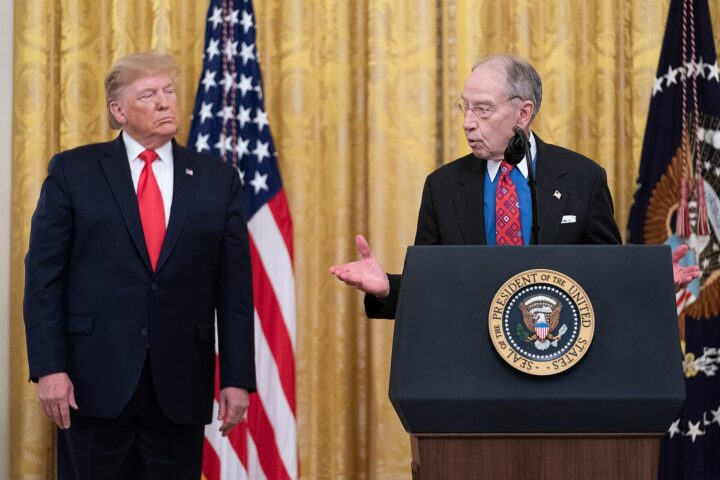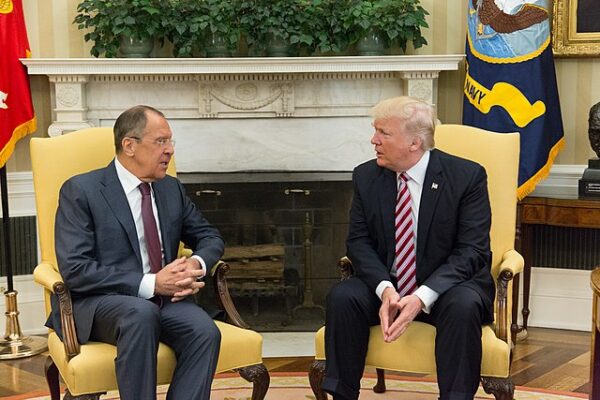
Iran’s military leadership on Wednesday forcefully pushed back against claims by President Donald Trump that negotiations are underway to end the ongoing conflict, delivering a blunt and highly critical message that underscored the widening divide between Washington and Tehran.
In a video statement carried by Iranian media, Ebrahim Zolfaghari, spokesperson for Iran’s Khatam al-Anbiya Central Headquarters, dismissed any suggestion that diplomacy is currently taking place. Without naming Trump directly, Zolfaghari instead took aim at what he described as a “self-proclaimed global superpower,” sharply questioning the credibility of the U.S. position.
“Has the level of your internal conflict reached the point where you are negotiating with yourselves?” he said, in remarks that appeared designed to mock the administration’s narrative.
The response directly contradicts Trump’s recent assertion that diplomatic progress had led him to delay potential strikes on Iranian energy infrastructure. Just ahead of a looming deadline tied to those threats, the president said “very good” and “productive” discussions were underway, prompting a five-day pause as both sides worked toward a resolution. Iranian officials, however, have repeatedly denied that any talks—direct or indirect—are happening.
Zolfaghari’s message did not stop at rejecting the idea of negotiations. He also issued a pointed warning against what he suggested could be an attempt by Washington to reshape the narrative of the conflict.
“Do not call your defeat an agreement,” he said, signaling that Tehran views the situation in starkly different terms than the White House.
He further emphasized Iran’s unwillingness to compromise under current conditions. “Someone like us will never come to terms with someone like you. Not now, not ever,” he added, reinforcing the hardened stance coming from Iranian leadership.
The sharp rhetoric highlights growing contradictions over whether any backchannel diplomacy exists at all. Reports—including one from The Wall Street Journal indicating that a sweeping 15-point proposal outlining potential de-escalation terms had been delivered to Iran—have added to the uncertainty. Yet Tehran’s public messaging remains consistent: there are no talks, and there is no deal in the making.
Zolfaghari also warned that even if tensions eventually ease, the broader consequences for global energy markets could linger. He suggested that stability—and by extension, the return of prior investment levels or oil prices—would depend on recognizing Iran’s military influence in the region.
“You will see neither your investments in the region nor the former prices of energy and oil again,” he said, “until you understand that stability in the region is guaranteed by the powerful hand of our armed forces.”
That message was echoed by Iranian Foreign Ministry spokesperson Esmaeil Baqaei, who reiterated in an interview Wednesday that no discussions are taking place between the United States and Iran. Speaking to India Today, Baqaei described the current situation as one defined entirely by conflict, not negotiation.
“As I said yesterday, there is no talks or negotiations between Iran and the United States as it has not been since the past 25 days of the illegal war against Iran,” Baqaei said, adding that “no one can trust U.S. diplomacy.”
He also pointed to Iran’s military posture, stating, “Our position is very clear. Our brave forces are defending Iran’s territory.”
Taken together, the statements paint a picture of two sides not only at odds on the battlefield, but also deeply divided over whether any path to de-escalation currently exists. While Washington signals the possibility of talks, Tehran is making clear—at least publicly—that it sees no such opening, raising further questions about where the conflict may head next.
[READ MORE: Trump Names Top Tech Leaders To Advisory Council]