As a tentative ceasefire between the United States and Iran takes hold, new details emerging from Tehran underscore both the strategic importance of the Strait of Hormuz and the lingering uncertainty surrounding global energy markets.
According to remarks reported by the Financial Times, a key figure tied to Iran’s energy sector said ships transiting the critical waterway will be required to pay the cryptocurrency equivalent of $1 per barrel of oil they carry. The policy, described during the two-week ceasefire window, reflects a highly controlled approach to reopening one of the world’s most vital shipping lanes.
Hamid Hosseini, a spokesperson for Iran’s Oil, Gas and Petrochemical Products Exporters’ Union, said vessels must first notify Iranian authorities by email detailing their cargo. After review, ships would be given only seconds to complete payment in bitcoin, a system he suggested would help avoid complications tied to international sanctions.
“Once the email arrives and Iran completes its assessment, vessels are given a few seconds to pay in bitcoin, ensuring they can’t be traced or confiscated due to sanctions,” Hosseini said.
He added that the measures are intended to prevent the transport of weapons through the strait, though he made clear the process would not be rushed. “Everything can pass through, but the procedure will take time for each vessel, and Iran is not in a rush,” he noted.
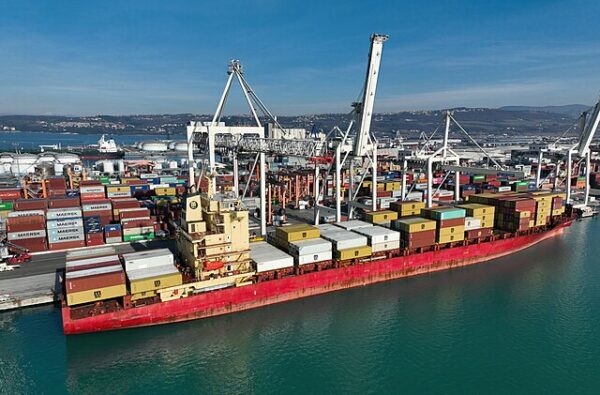
The Strait of Hormuz, located off Iran’s southern coast, has long been one of the most important chokepoints in global energy supply. Before the conflict, roughly a fifth of the world’s oil passed through the narrow corridor. Its effective closure during the fighting sent shockwaves through markets, driving up oil prices and contributing to broader economic instability.
While the proposed $1-per-barrel toll represents only a small fraction of the total cost of oil, the larger concern for markets has been access and reliability. Even modest restrictions or delays can ripple across supply chains, a reality that has become increasingly clear during the recent hostilities.
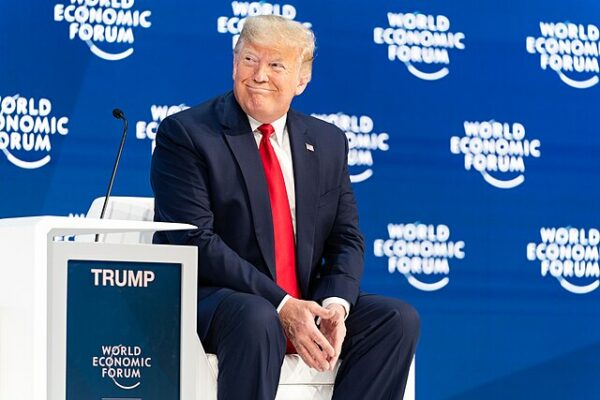
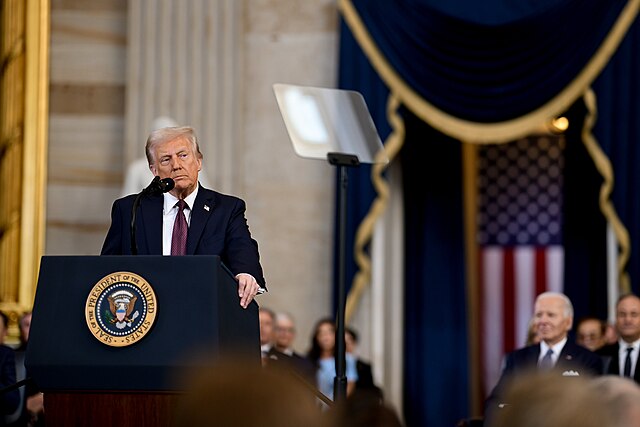
President Donald Trump announced Tuesday that the United States would suspend attacks on Iran, a move that has already helped ease pressure on oil prices. Markets responded quickly to the news, with prices falling as the prospect of renewed shipping activity improved.
Still, the path forward remains uncertain. A senior Iranian official told Reuters that the strait could reopen in a “limited” capacity under Iran’s control as early as Thursday or Friday, ahead of planned discussions with U.S. officials. Such a reopening, while welcome, would likely remain tightly managed.
Trump has also floated the possibility of a joint U.S.-Iran initiative to oversee toll collection in the strait, framing it as a way to enhance security and stabilize operations.
“We’re thinking of doing it as a joint venture,” Trump said in an interview, suggesting the arrangement could help secure the passage from various threats. “It’s a way of securing it — also securing it from lots of other people. It’s a beautiful thing.”
During the conflict, Iran had already implemented a limited “tollbooth” system, allowing only a small number of vessels to pass. However, that restricted flow was not enough to offset the broader supply disruptions caused by the strait’s near shutdown.
Earlier in the week, as tensions escalated, Trump also suggested the United States could establish its own tolling mechanism, highlighting the competing visions for control over a waterway that remains central to global commerce.
For now, the ceasefire offers a temporary reprieve. But the introduction of new fees, strict oversight, and competing proposals for control serves as a reminder that even in moments of de-escalation, the aftershocks of conflict continue to shape economic realities far beyond the region.
[READ MORE: Trump Floats Unusual Iran ‘Joint Venture’ in Hormuz as Ceasefire Opens Door to Talks]