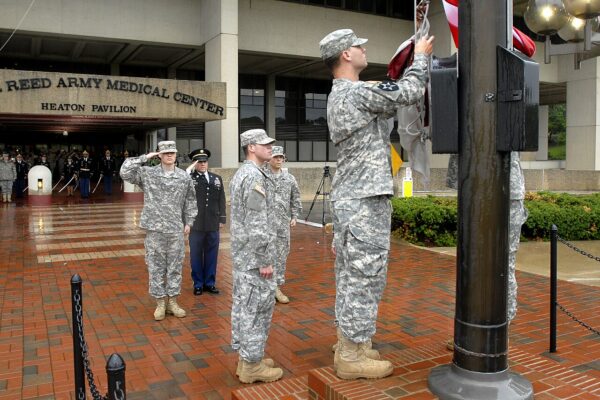
As the United States’ conflict with Iran moves deeper into its third week, new figures from the Pentagon offer a sobering look at the human cost already unfolding on the ground. According to a U.S. defense official, 232 American service members have been wounded since the war began in late February, with the “vast majority” sustaining what officials describe as minor injuries.
More than 200 of those wounded have already returned to duty, the official said, underscoring both the resilience of U.S. forces and the fast-paced demands of an ongoing military campaign. Still, the rising number of casualties marks a sharp increase from just a week earlier, when the Pentagon reported approximately 140 wounded.
The war, which began on Feb. 28 with joint strikes by the United States and Israel, has escalated quickly, with operations continuing at a steady and aggressive tempo. While officials have emphasized that most injuries are not severe, the total reflects the growing intensity of a conflict that shows little sign of slowing.
In addition to the wounded, the Pentagon has confirmed that 13 U.S. service members have been killed since the start of the fighting. The loss of life, combined with the mounting injury count, highlights the stakes involved as Washington weighs its next steps.
Those decisions are becoming more pressing as President Donald Trump considers whether to expand the U.S. role further. The administration is reportedly weighing the possibility of deploying ground troops inside Iran—a move that would mark a significant escalation beyond the current air and naval operations.
At the same time, the Pentagon has already increased its presence in the region. Thousands of additional Marines have been dispatched, along with at least three more warships, to the area overseen by U.S. Central Command. These reinforcements will join more than 50,000 American troops already stationed in the region, signaling a substantial military buildup even as questions remain about the ultimate scope of the mission.
Despite the growing footprint, Trump sought to downplay the likelihood of further troop deployments. Speaking to reporters Thursday, he said he is not putting forces “anywhere,” though he added a note of ambiguity: “If I were, I certainly wouldn’t tell you.”
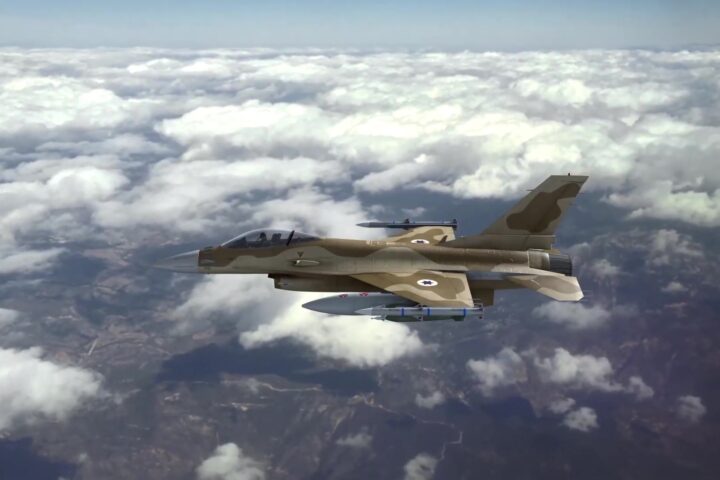
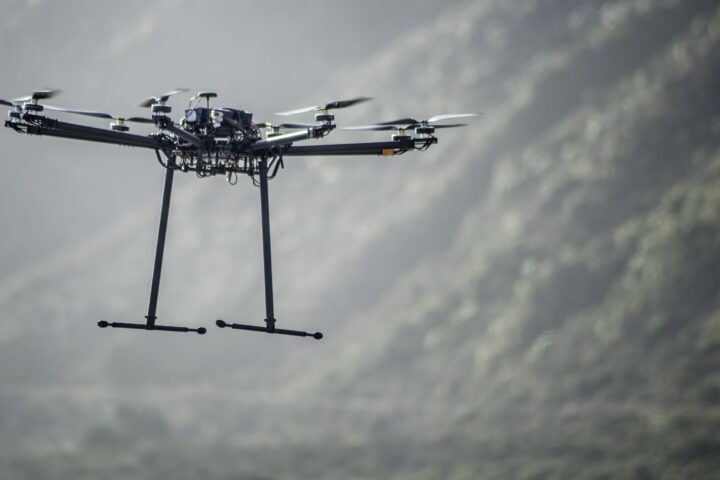
Meanwhile, the operational tempo remains high. The U.S. military has conducted more than 7,800 strikes since the beginning of the conflict, targeting Iranian missile and drone stockpiles as well as naval assets. The scale of these strikes reflects a sustained effort to degrade Iran’s capabilities, but it also points to a campaign that is both extensive and ongoing.
While military leaders focus on objectives and outcomes, the steady stream of casualty updates serves as a reminder that even limited engagements carry real consequences. The fact that many injured troops have returned to duty may offer some reassurance, but it does not erase the broader reality that the costs—measured in both lives lost and service members wounded—continue to rise.
As policymakers debate the next phase of the conflict, the numbers tell a story that goes beyond strategy. They reflect the burden borne by those in uniform and raise enduring questions about how long such an effort can continue—and at what price.