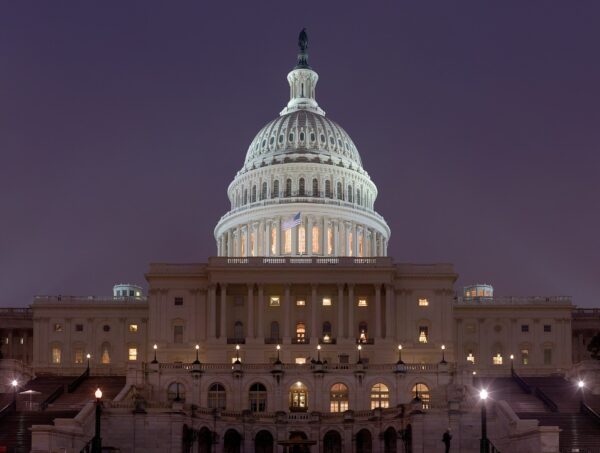
The House is expected to pass legislation Thursday extending the controversial ObamaCare tax credits for three years, handing Democrats a significant win while giving centrist Republicans hope that the move will jump-start a bipartisan compromise to revive and reform the subsidies.
The bill, as written, has no realistic path forward in the Senate. A nearly identical three-year extension was blocked by Senate Republicans in December. Still, the looming House vote has energized a bipartisan group of senators who are now working on a compromise they believe could pass both chambers. Supporters of the bill in the House, including a small group of Republican moderates who joined Democrats on a discharge petition to force the vote, say passage is meant to pressure the Senate into acting quickly.
Rep. Mike Lawler, one of four Republicans who broke with House leadership to sign the petition, said he expects “a significant number of Republicans” to back the bill as a signal that lawmakers are serious about finding a bipartisan solution.
“We’ve been working with the senators for weeks,” Lawler said, adding that the emerging framework aligns with his long-stated position favoring a shorter extension paired with reforms. “I think that’s ultimately where we can get.”
The fight over the enhanced Affordable Care Act subsidies has dragged on for months, reopening long-standing debates about the federal government’s role in health care. The dispute even played a role in last fall’s record 43-day government shutdown. Without an agreement, roughly 22 million people currently receiving the subsidies are set to see their health care costs rise sharply in the early months of this year.
That looming increase is what prompted Republican moderates to force Thursday’s vote. Democrats, meanwhile, are leaning into the issue ahead of November’s elections, warning of political consequences if Republicans fail to act. Rep. Marc Veasey said pressure will only grow if the credits are not extended.
The bipartisan push has exposed the ongoing challenges facing President Donald Trump, House Speaker Mike Johnson, and GOP leaders on health care, an issue that has divided Republicans for years. Many in the party preferred allowing the enhanced subsidies — originally adopted under former President Biden as a COVID-era emergency measure — to expire altogether.
Major hurdles remain, particularly Republican demands related to abortion. Senate Majority Leader John Thune said any deal must address restrictions tied to the Hyde Amendment, which bars federal funds from directly paying for abortions. Democrats argue existing law already covers those concerns and warn that additional language would derail negotiations.
“There are already restrictions due to the Hyde amendment,” said Rep. Judy Chu, calling further changes a “poison pill.”
President Trump added momentum to the talks this week by urging House Republicans to be “flexible on Hyde” during health care negotiations, a comment that encouraged moderates but raised concerns among conservatives. Rep. Ryan Mackenzie said shifting the language would only complicate efforts to reach a deal.
Other Republican priorities include income limits for subsidy eligibility, preventing $0 premium plans, and redirecting funds toward consumers through health savings accounts. Democrats have resisted some of those ideas, with Sen. Ron Wyden warning that eliminating zero-premium plans would immediately raise costs for millions.
While the final outcome remains uncertain, House Republicans backing the bill argue that simply passing it sends a message. Rep. Brian Fitzpatrick said the key is giving the Senate a vehicle to act, noting that the House rebellion has already breathed “new life” into negotiations.
Nine Republicans joined Democrats on a procedural vote paving the way for Thursday’s action, signaling the growing influence of GOP moderates as the health care debate intensifies once again.
[READ MORE: Trump Proposes Record $1.5 Trillion Defense Budget for 2027 to Fund ‘Dream Military’]